After understanding the network cable, you should be able to see some of the markings on the cable, cat6a and cat6e, which are currently the most common, but many people do not understand the general differences between cat6a and cat6e network cables.
CAT6 cable introduces a central cross-shaped separator to isolate 4 pairs of isolated copper wires. This helps reduce crosstalk and improve transmission performance. Cat6a Ethernet cable meets higher demands by improving transmission speed, distance and shielding performance; Cat6e strikes a balance between cost and performance and is suitable for basic network scenarios.
1. Transmission Speed
Cat6a: The maximum transmission speed can reach 10Gbps, which can stably operate 10G network.
Cat6e: The maximum transmission speed is usually 1Gbps, which is suitable for Gigabit network.
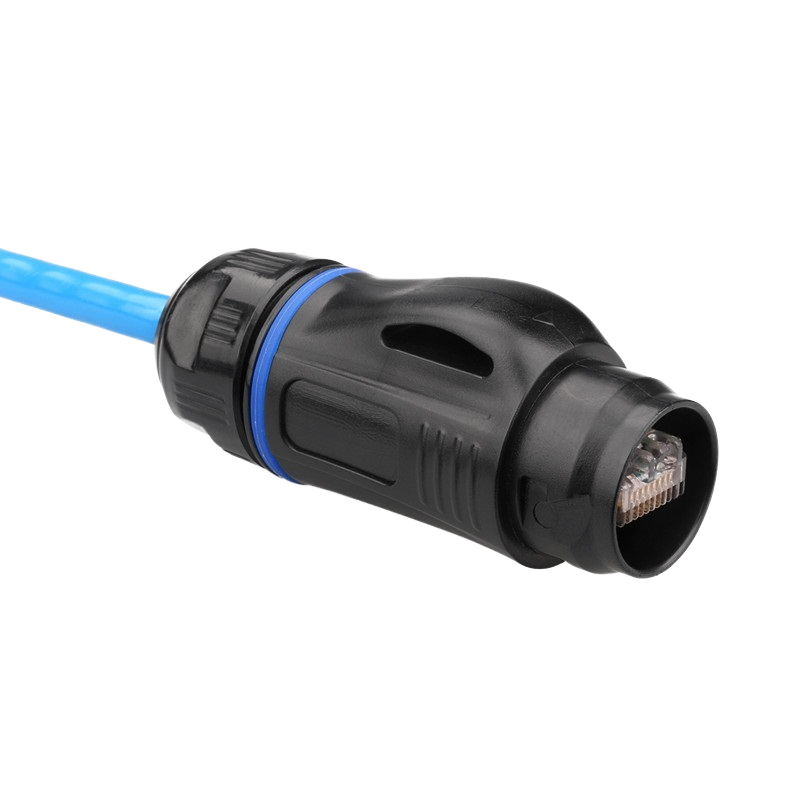 2. Transmission Distance
Cat6a: The transmission distance can reach 100 meters, meeting the long-distance requirements of data centers, enterprise networks, etc.
Cat6e: The transmission distance is about 50 meters, mainly used in short-distance scenarios such as homes and offices.
3. Shielding Performance
Cat6a: Adopts more advanced shielding technology, with stronger anti-interference and crosstalk capabilities.
Cat6e: The shielding performance is relatively weak.
4. Physical Characteristics
Cat6a: The bandwidth is 500MHz and supports higher frequency signal transmission.
Cat6e: The bandwidth is usually 250MHz.
5. Standards and Logos
Cat6a: TIA/EIA official certification standard, full name CAT6A.
Cat6e: Unofficial standard, full name CAT6E, is an enhanced version of Cat6.
6. Cost
Cat6a: Due to its excellent performance, the price of Cat6a is relatively high. This makes it may not be the first choice in some cost-sensitive application scenarios.
Cat6e: The cost is relatively low and suitable for situations with limited budgets. This makes Cat6e the preferred network cable for many homes and small businesses.
7. Applications
Cat6a: Suitable for scenarios with high bandwidth and distance requirements, such as data centers and enterprise networks.
Cat6e: Suitable for low-end needs such as daily office and home networks.
CAT1 Ethernet cables were only capable of transmitting voice information in the early days, but today's CAT8.2 Ethernet cables support high-speed data transmission with their excellent performance. In the evolution of technology, we have seen the number, frequency, and bandwidth of twisted pair cables gradually increase, laying the foundation for the continuous improvement of network speed.

