Connectors play a crucial role in supporting the sustainability goals of companies, particularly those in sectors like automotive, aerospace, and consumer electronics.
One of the primary ways connectors contribute to sustainability is by enhancing product longevity and reducing the need for frequent replacements. Durable, high-quality connectors extend the lifespan of electronic devices, decreasing the volume of electronic waste generated. This durability aligns with circular economy principles, where companies design products that last longer and are easier to maintain, repair, or recycle. By investing in connectors that are resilient and capable of enduring harsh environments, companies can reduce their ecological footprint and improve product reliability.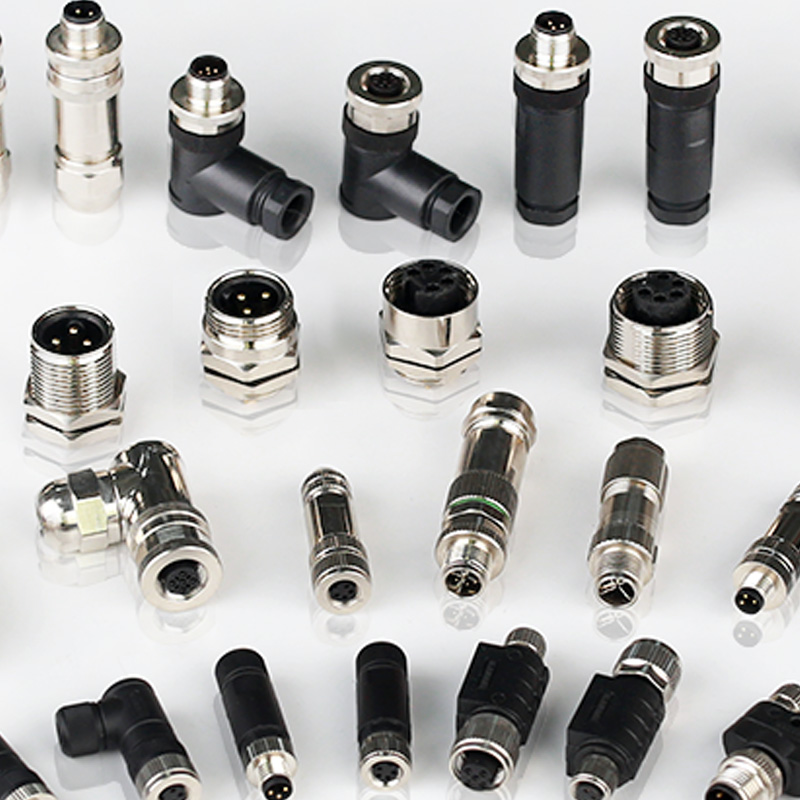
Another key contribution is in energy efficiency. Connectors with optimized designs and materials facilitate better energy transfer, reducing power losses in electronic systems. For example, connectors with gold-plated contacts offer lower resistance, which minimizes power loss and enhances overall energy efficiency. In energy-intensive industries, such as data centers and telecommunications, the use of energy-efficient connectors can significantly reduce operational energy consumption, helping companies meet their carbon reduction targets. Connectors that support low-power modes and energy-efficient protocols are also essential in IoT devices, contributing to the energy sustainability of smart homes, cities, and infrastructure.
Lastly, connectors are essential in the design of modular and upgradable products, which further support sustainability goals. Many companies now produce modular devices that allow users to replace or upgrade specific components, such as batteries or processors, rather than discarding the entire product. Connectors facilitate this modular design by allowing components to be easily connected or disconnected, making devices more adaptable and less prone to obsolescence. This approach not only reduces electronic waste but also supports a sustainable production model, where resources are conserved and products are designed with a longer lifecycle in mind.

