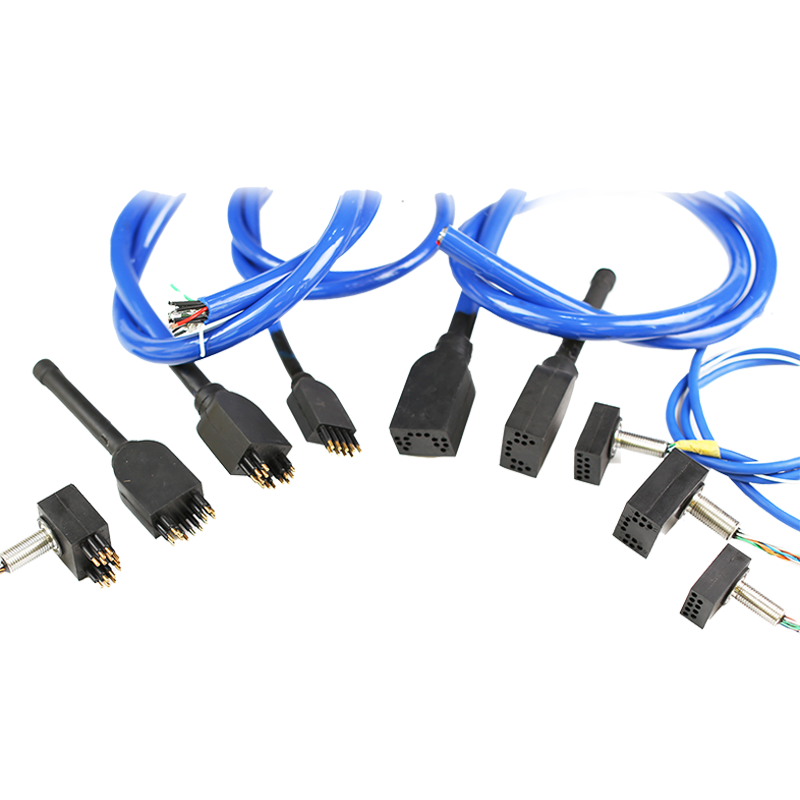
Selecting a
connector for use in robotics involves considering several key factors to ensure the connector meets the specific demands of the application. Here are some critical aspects to consider when choosing a connector for robotics:
1. Mechanical Strength and Durability:
The connector must be able to withstand the physical stress and repeated mating and unmating cycles typical in robotics. It should be designed to endure the forces exerted during connection and disconnection without damage.
2. Environmental Resistance:
Robotics connectors must be resistant to the environment in which the robot operates. This includes resistance to dust, moisture, and temperature extremes. The connector should be sealed to prevent contamination by external elements, which could lead to connection failures.
3. Electrical Performance:
The connector must provide reliable electrical contact to ensure efficient signal or power transmission. It should have low resistance and high-quality contact materials to minimize signal degradation or power loss over the length of the connection.
4. Size and Weight:
Especially in mobile or precision robotics, the size and weight of the connector can be critical. Lightweight and compact connectors can contribute to overall system efficiency and reduce energy consumption.
5. Ease of Connection and Disconnection:
The connector should be easy to connect and disconnect, either manually or automatically, as required by the robotic system. This may involve the use of quick-release mechanisms or automated alignment features.
6. Customizability:
In many cases, off-the-shelf connectors may not meet all the specific needs of a robotic application. Custom connectors can be designed to fit the unique requirements of the robot, including specific mating interfaces, cable routing, and integration with other system components.
7. Cost-Benefit Analysis:
When selecting a connector, it's important to consider the total cost of ownership, including the initial purchase cost, maintenance, and potential downtime due to connection failures. Custom connectors may have a higher initial cost but can lead to significant savings over time due to their optimized design and reduced maintenance needs.
8. Compatibility and Standardization:
The connector should be compatible with the existing system architecture and follow industry standards where possible. This ensures that components from different manufacturers can work together seamlessly.
9. Reliability and Safety:
The connector must be reliable, ensuring a consistent connection every time it is mated. It should also incorporate safety features to protect the system from electrical faults or short circuits.
10. Versatility:
Especially in the case of modular or reconfigurable robots, the connector should allow for versatility in how the robots can be connected and reconfigured to perform different tasks.
By considering these factors, you can select a connector that not only meets the immediate needs of your robotic application but also provides a reliable and efficient solution for long-term use.