Underwater plugs are specialized electrical connectors designed to operate while submerged in water, unlike standard plugs that are intended for dry environments. The key difference lies in their construction and material composition:
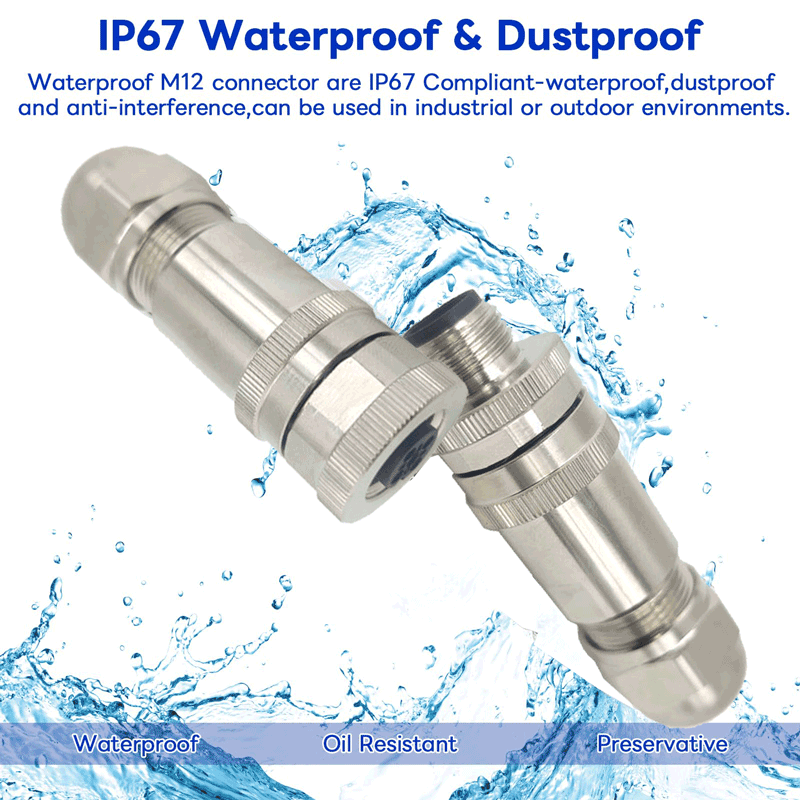
Waterproof Seals: Underwater plugs are equipped with rubber gaskets or O-rings to prevent water from entering the electrical connection. These seals create a watertight barrier, ensuring that the electrical contact points remain dry, even when fully submerged.
Material Durability: Underwater plugs are typically constructed from corrosion-resistant materials such as stainless steel, marine-grade plastics, or brass. These materials prevent degradation due to water exposure, ensuring that the plugs remain functional for extended periods in underwater environments.
Enhanced Locking Mechanisms: Unlike standard plugs, Underwater plugs often feature locking mechanisms that secure the plug and socket together, preventing accidental disconnection in turbulent or high-flow water environments.
Common applications for Underwater plugs include fountains, pond lighting, submersible pumps, and aquatic research equipment. These plugs are essential for maintaining a safe and reliable power connection in wet environments.


