Waterproof connectors play a crucial role in ensuring the reliability and durability of electronic systems that are exposed to outdoor environments. These connectors are specifically designed to withstand harsh environmental conditions such as rain, humidity, dust, and temperature extremes, while maintaining a stable and secure connection. Their contribution to the reliability of electronic systems can be understood through the following key aspects: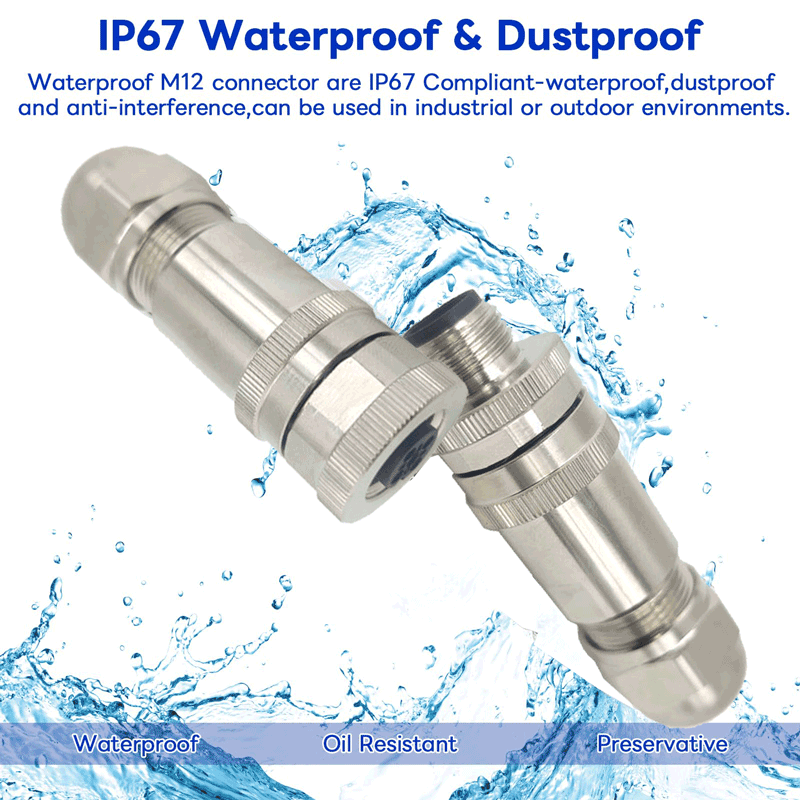
Protection Against Water Ingress (IP Ratings):
One of the primary functions of waterproof connectors is to prevent water from entering the connection points, which could otherwise lead to short circuits, corrosion, and system failures. Waterproof connectors are typically rated based on their Ingress Protection (IP) code, which specifies the level of protection against solids (like dust) and liquids (like water). For example, connectors with an IP67 rating are completely protected from dust and can withstand submersion in water for up to 30 minutes at a depth of 1 meter.
In outdoor applications such as weather stations, telecommunications infrastructure, and outdoor lighting, this level of protection is critical to maintaining long-term system reliability. Waterproof connectors ensure that even in rainy, snowy, or humid conditions, electronic systems continue to function without interruptions or malfunctions.
Prevention of Corrosion and Oxidation:
Outdoor environments expose connectors to moisture, salt, and pollutants that can lead to corrosion and oxidation of metal components. Corrosion weakens the connector’s contacts and can lead to poor signal transmission, electrical resistance, and eventual failure of the system. Waterproof connectors are designed with materials that are resistant to corrosion, such as stainless steel, aluminum alloys, or specially treated copper.
In some cases, the connector’s contacts may also be coated with protective materials such as gold or nickel to further enhance corrosion resistance. By preventing corrosion, waterproof connectors ensure that electronic systems remain functional and reliable even after prolonged exposure to moisture or marine environments, such as in marine electronics or outdoor power distribution systems.
Dust and Particle Resistance:
In addition to protecting against water ingress, waterproof connectors also provide protection against dust, dirt, and other particles that can interfere with electrical connections. Dust and debris can accumulate on connector contacts, causing signal degradation or electrical shorts. Connectors with a high IP rating, such as IP68, offer complete protection against dust ingress, ensuring that no particles can enter the connector housing.
This level of protection is essential for outdoor electronic systems installed in dusty environments such as deserts, construction sites, and agricultural fields. For instance, in outdoor surveillance cameras or solar power systems, waterproof connectors ensure uninterrupted power and data transmission even in dusty conditions.
Temperature Extremes and UV Resistance:
Outdoor electronic systems are often exposed to temperature extremes, ranging from freezing cold to intense heat, depending on the location and time of year. Waterproof connectors are designed to withstand a wide range of temperatures without losing their mechanical or electrical integrity. High-quality waterproof connectors are built with materials that can endure temperature fluctuations without cracking, warping, or becoming brittle.
In addition to temperature resistance, many waterproof connectors are also UV-resistant, which is important for systems that are constantly exposed to sunlight. Prolonged exposure to UV radiation can degrade the plastic components of a connector, leading to structural failure. UV-resistant materials ensure that connectors remain intact and functional over time, even in environments with strong sun exposure, such as outdoor communication towers, solar power systems, or electric vehicle charging stations.
Shock and Vibration Resistance:
Outdoor environments often involve conditions where electronic systems are subjected to mechanical stress, including vibrations, shocks, and impacts. For example, in applications such as wind turbines, military vehicles, or outdoor transportation systems, connectors need to maintain a secure connection despite constant movement or vibrations.
Waterproof connectors are often built with robust mechanical features that prevent them from loosening or becoming disconnected under mechanical stress. This includes features like locking mechanisms, ruggedized housing, and shock-absorbing materials. By preventing disconnections or damage due to physical impacts, waterproof connectors contribute to the overall reliability of electronic systems in demanding outdoor environments.
Applications in Harsh Environments:
The use of waterproof connectors is critical in a wide variety of outdoor applications where reliability is paramount. Some common applications include:
Telecommunications Infrastructure: Waterproof connectors are used in outdoor routers, antennas, and base stations to ensure continuous communication even in extreme weather conditions.
Solar Power Systems: In photovoltaic systems, waterproof connectors ensure that electrical connections between solar panels, inverters, and batteries remain intact despite exposure to rain, snow, and UV radiation.
Marine Electronics: Waterproof connectors are essential in marine environments where exposure to saltwater and humidity can lead to rapid corrosion. These connectors ensure reliable operation in marine communication and navigation systems.
Electric Vehicle Charging Stations: Outdoor EV charging stations rely on waterproof connectors to maintain safety and reliability, especially in rainy or humid conditions.
Outdoor Lighting and Surveillance: In smart cities or urban infrastructure, waterproof connectors are used in street lighting systems and outdoor surveillance cameras to ensure uninterrupted operation in all weather conditions.
In conclusion, waterproof connectors significantly enhance the reliability of electronic systems operating in outdoor environments by providing robust protection against water, dust, temperature extremes, and mechanical stress. Their durability and resilience ensure that critical electronic systems continue to function efficiently and safely, even in the most challenging environmental conditions. As outdoor electronic applications continue to grow, the demand for reliable waterproof connectors will increase, driving innovation in materials and design to meet the evolving needs of various industries.


