The harm of excessive temperature rise of industrial connectors is actually very great. When the connector is connected to the circuit loop and the current is turned on, the body resistance and contact resistance of the contact will generate heat. As the heat continues to accumulate, the temperature of the contact will continue to rise.
Consequences of Excessive Temperature Rise
The harm of excessive temperature rise of industrial connectors is actually very great. When the connector is connected to the circuit loop and the current is turned on, the body resistance and contact resistance of the contact will generate heat. As the heat continues to accumulate, the temperature of the contact will continue to rise. Once it is too high, it will cause stress relaxation of the contact, which will cause higher contact resistance, thereby weakening the electrical signal and eventually leading to a short circuit. In addition, the high temperature of the product will also accelerate the corrosion of the contact surface, shorten the life cycle, and even cause fires and explosions in serious cases, endangering the safety of users.
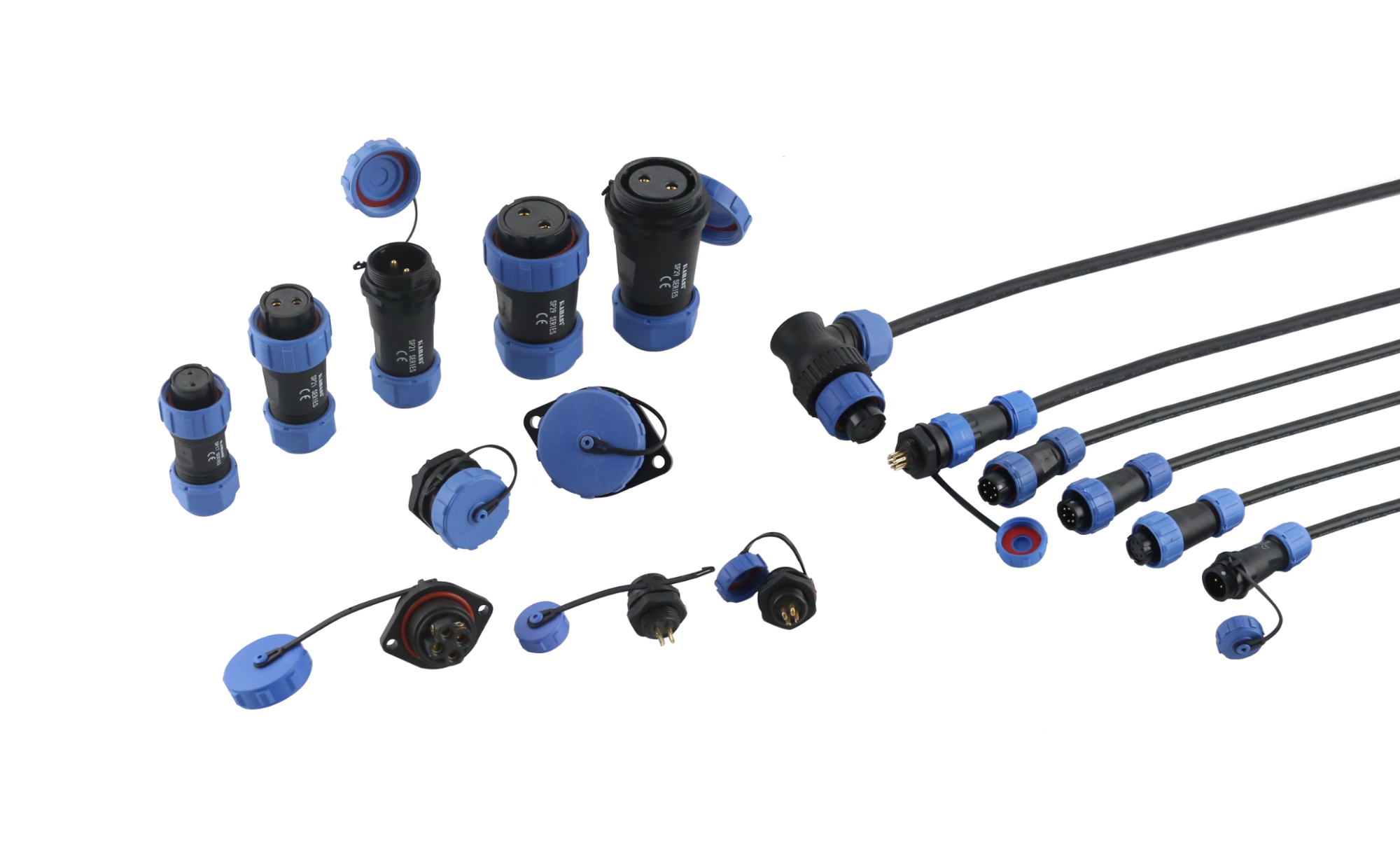 How to Ensure Normal Temperature Rise
Excessive temperature rise is a major killer of the safety and performance of aviation plug connectors. How can aviation plug connector manufacturers ensure that the temperature rise meets normal requirements? Mainly from the following two aspects:
1) Contact material selection
The use of high conductivity materials for industrial connector contacts helps to reduce temperature rise. For electrical connectors with higher rated currents, the contacts should be selected with high conductivity and the materials should have certain mechanical properties, such as chromium-zirconium-copper alloys.
2) Plating design
The contacts are mostly treated with surface plating processes to avoid excessive temperature rise. This is because copper easily undergoes oxidation reaction with air to form an oxide layer, which results in a reduction in effective contacts and an increase in temperature. After plating, the inactive metals gold and nickel in the plating can isolate the oxidation reaction. Currently, the surface of the contact is mostly plated with gold or silver, and the thicker the plating film, the more conducive to temperature rise. Of course, considering the cost, the plating thickness will be weighed and designed according to the actual application requirements.
 How to Ensure Normal Temperature Rise

