As a prominent factory specializing in underwater connectors, we prioritize safety and reliability in our products. Properly connecting and disconnecting underwater connectors is vital for preventing damage and ensuring system functionality. This article outlines best practices for safely handling underwater connectors, appealing to readers seeking high-quality manufacturing solutions.
Structural Design Requirements
1) Double-end Protection Design
The Seacon underwater connector adopts a floating shell structure, and both the plug and socket ends are equipped with independent sealing oil-filled balance systems, which solves the problem of deep-water live operations and ensures sealing insulation in full sea depth environments.
2) Pressure-resistant and Corrosion-resistant Materials
The Subconn underwater connector shell must be made of high-strength corrosion-resistant materials (such as stainless steel), and the seals must be designed to be resistant to high pressure and wear to adapt to high-pressure water environments and long-term use.
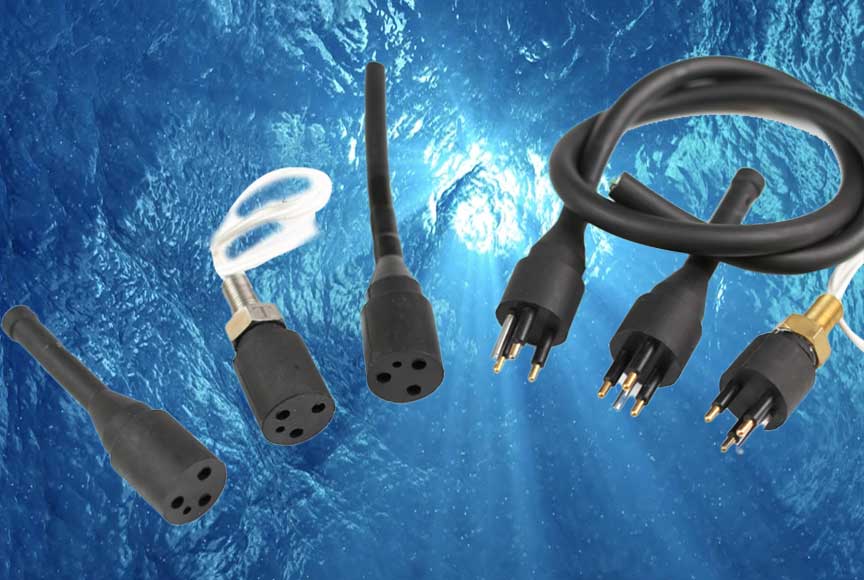 Operation Process Specifications
1) Pre-connection Inspection
Clean the connection parts to ensure that there are no foreign objects, rust or damage.
Check whether the underwater connector model matches the equipment, and check whether the electrical circuit connection is correct.
2) Installation and Fixation
Use special tools to accurately install the underwater connector to the target position to ensure sealing.
For chain applications, the housing and chain must be tightened and fixed to avoid loosening.
3) Testing and Verification
Electrical insulation test, waterproof test and pressure test are carried out to ensure no leakage or poor contact.
The control system simulates actual working conditions to verify sealing and reliability.
Emergency Disconnection Measures
1) Emergency Release Tool
Equipped with a dedicated unlocking mechanism, supports manual or remote control operation (such as ROV), quick disconnection, and does not affect other equipment.
2) Safe Operation Specifications
Remote control is preferred in deep water environments to prevent divers from directly contacting high-pressure areas.
After disconnection, please check whether the seal is damaged and replace it in time.
Maintenance
1) Daily Maintenance
Regularly clean the surface of the underwater connector, check the connection status of the wires, and replace aging or damaged seals to ensure long-term stable operation.
2) Maintenance Record Keeping
Record all connection and disconnection operations in detail, indicating the date, personnel involved, and any related issues. This helps track maintenance history and identify potential problems.

