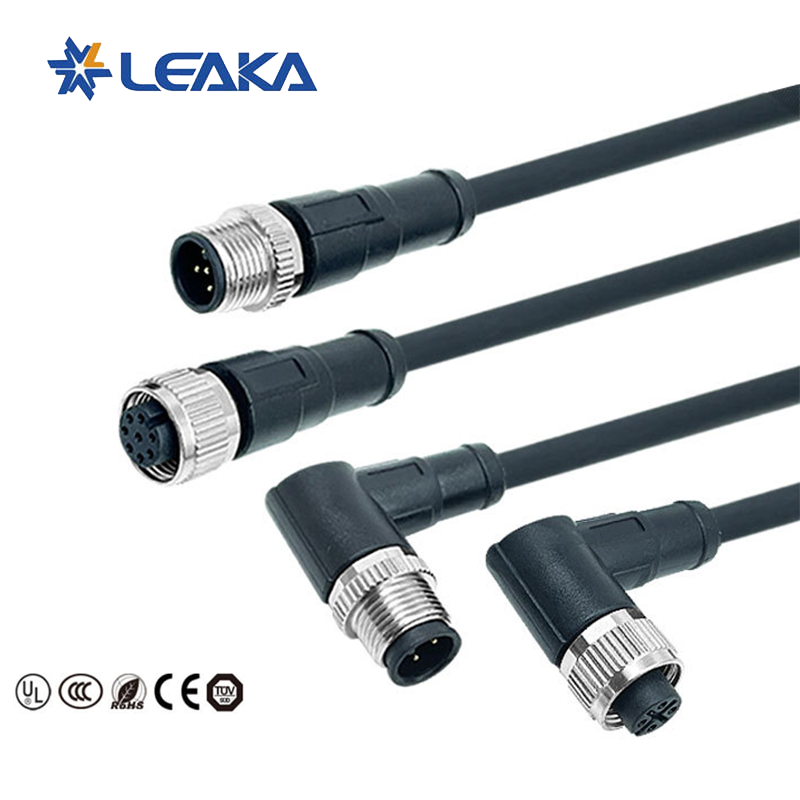
According to the latest data from Bishop&Associates, the global connector market size has climbed to $81.854 billion in 2023. Under the expectation of moderate global economic growth, the market is expected to further expand to approximately 85.128 billion US dollars in 2024, with a growth rate of 4.0%. Looking ahead to the next four to five years, Bishop&Associates predicts that the compound annual growth rate of the connector industry will reach 5.8%, highlighting the long-term growth potential of the global connector industry.
With the shift of production focus to the Asia Pacific region, China has become the leader in the global connector market. In 2023, the Chinese market size will reach 24.977 billion US dollars, accounting for 30.51% of the global market. Since 2015, the size of the Chinese market has grown from 14.719 billion US dollars to 24.977 billion US dollars, with a compound annual growth rate of 6.83%, far exceeding the global average.
In the field of high-end connectors, countries such as the United States, Europe, and Japan dominate with their long-term accumulated technology and customer advantages. According to Bishop&Associates' data, the global connector market CR10 (top ten enterprise market share) in 2021 was 55.4%, an increase of 4.2 percentage points from 2010, further enhancing industry concentration. Among them, the top ten companies include 4 North American companies, 3 Japanese companies, 2 Chinese companies, and 1 European company.
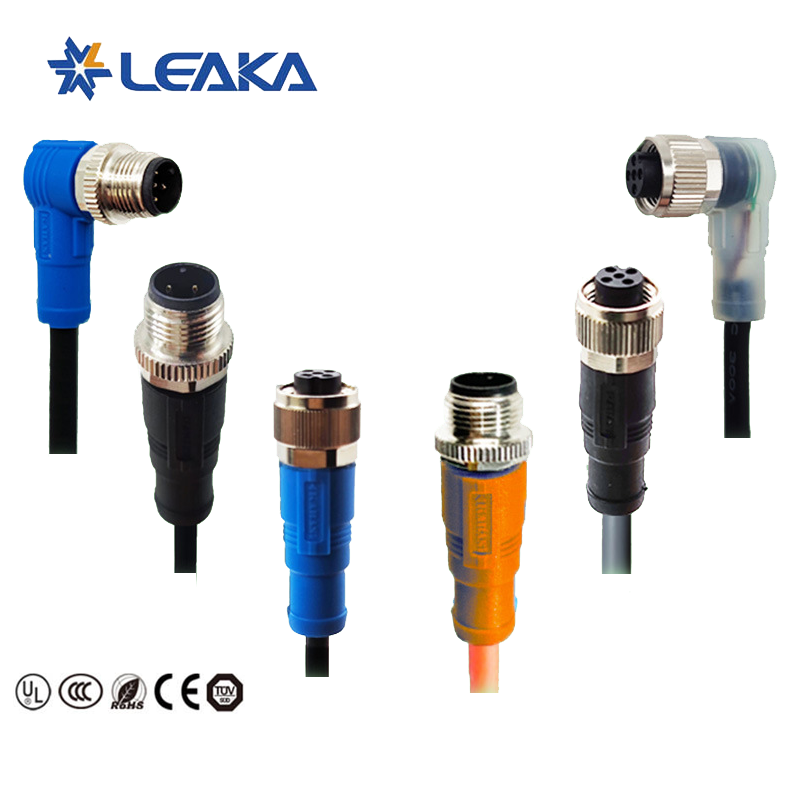
Although Chinese domestic connector manufacturers started relatively late, thanks to the booming development of the global new energy vehicle industry and the rise of independent new energy vehicle brands, local enterprises have ushered in unprecedented development opportunities and rapidly emerged. In terms of material selection, domestic manufacturers are able to use high-performance engineering plastics and metal materials, which not only have excellent mechanical strength, but also good electrical performance and chemical corrosion resistance. At the same time, the application of automated production lines has further improved production efficiency and product quality, reducing the impact of human factors on product quality.
Connectors are like "invisible bridges" between electronic devices, ensuring smooth flow of power, signals, and data between devices and enabling the entire system to function properly. If there are no connectors, the connections between electronic devices will become complex and unreliable, and maintenance and upgrades will also become very difficult. It can be seen that connectors are key components to ensure the normal operation and efficient connection of equipment.