The realm of underwater technology demands precision, reliability, and innovation. As oceanic exploration and offshore industries advance, the need for robust subsea cable harness solutions becomes increasingly critical. Subsea cable harness suppliers play a pivotal role in bridging the gap between cutting-edge marine technology and the harsh realities of deep-sea environments. These specialized components, including underwater connectors and cable assemblies, form the backbone of communication systems, power distribution networks, and data transmission in the most challenging aquatic settings. Understanding the intricacies of subsea cable harness design is essential for engineers and project managers seeking to optimize underwater operations and ensure long-term success in marine applications.
Table of contents:
Critical Factors in Selecting Underwater Connectors for Deep-Sea Applications
Integrating Seacon Connectors into Reliable Subsea Cable Harness Assemblies
Optimizing Signal Integrity in Underwater Sensor Systems with Advanced Connectors
Ensuring Long-Term Durability of Subsea Cable Harnesses in Harsh Marine Environments
When it comes to deep-sea applications, the selection of appropriate underwater connectors is paramount. Underwater connector suppliers must provide solutions that can withstand extreme pressures, corrosive saltwater, and varying temperatures. The ideal connector should offer superior waterproofing capabilities, typically achieved through advanced sealing technologies and materials like 316L stainless steel and specialized rubber compounds. Pressure resistance is another crucial factor, with top-tier connectors capable of functioning at depths up to 7000 meters. Electrical specifications such as voltage tolerance, insulation resistance, and current ratings must also be carefully considered to ensure seamless operation in subsea environments. As a subsea cable harness supplier, selecting the right underwater connector is fundamental to creating reliable and durable cable assemblies for marine applications.
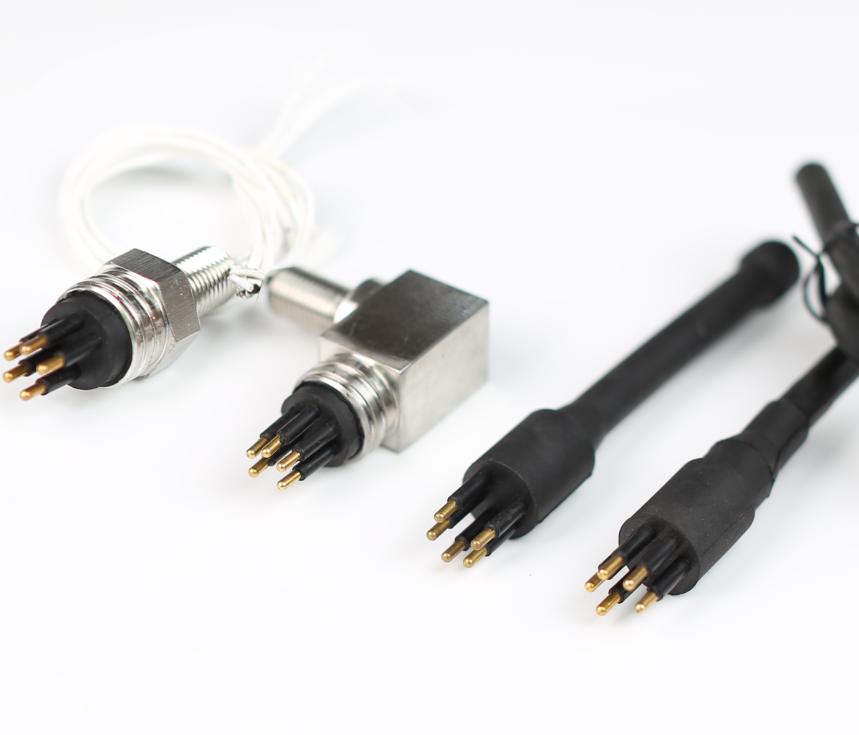
Seacon connectors have earned a reputation for excellence in the underwater technology sector. When integrating these connectors into subsea cable harness assemblies, wholesale cable harness providers must consider several key aspects. The compatibility of Seacon connectors with various wiring systems allows for versatile harness designs tailored to specific underwater applications. The ease of assembly and secure locking mechanisms of these connectors facilitate efficient installation and maintenance, crucial for subsea operations where time and accessibility are limited. Wholesale underwater connector integration requires careful consideration of factors such as cable type, insulation materials, and overall system architecture to ensure optimal performance. By leveraging the robust features of Seacon connectors, subsea cable harness suppliers can deliver solutions that excel in reliability and longevity in challenging marine environments.
Maintaining signal integrity is a primary concern in underwater sensor systems, where data accuracy and transmission reliability are paramount. Advanced underwater connectors play a crucial role in preserving signal quality across subsea cable harnesses. Underwater connector suppliers must provide solutions that minimize signal attenuation and interference, even at extreme depths. This involves incorporating features such as gold-plated contacts, advanced shielding techniques, and precision-engineered insulation materials. For subsea cable harness suppliers, the challenge lies in designing harness assemblies that complement these high-performance connectors. Careful consideration of factors like impedance matching, cable length optimization, and proper grounding techniques is essential. By integrating state-of-the-art connectors from reputable underwater connector suppliers, engineers can ensure that sensor data remains pristine, enabling accurate monitoring and control in critical subsea applications.
The longevity of subsea cable harnesses is crucial for maintaining operational efficiency and reducing maintenance costs in underwater applications. Wholesale cable harness providers must prioritize durability in their designs to withstand the relentless challenges posed by marine environments. This involves selecting materials that resist corrosion, such as marine-grade stainless steel and specialized polymers. The integration of robust strain relief mechanisms and flexible cable designs helps mitigate the stress caused by underwater currents and equipment movement. Subsea cable harness suppliers should also consider implementing redundancy in critical connections and incorporating diagnostic features for proactive maintenance. By focusing on these aspects, manufacturers can produce cable harness assemblies that not only meet immediate performance requirements but also offer extended service life in the unforgiving subsea realm.
The field of subsea cable harness design continues to evolve, driven by the demands of increasingly complex underwater operations. As technology advances, the role of underwater connector suppliers and subsea cable harness suppliers becomes ever more critical in pushing the boundaries of what's possible beneath the waves. By focusing on key factors such as connector selection, integration techniques, signal integrity, and long-term durability, engineers can create subsea cable harness solutions that set new standards for reliability and performance. The future of underwater exploration and offshore industries relies heavily on these innovations, making the expertise of wholesale underwater connector and cable harness providers an invaluable asset in conquering the challenges of the deep.

