When it comes to medical equipment, the importance of reliable connectors cannot be overstated. Medical connectors are vital components that facilitate the transfer of signals, power, and data across various medical devices. As a factory specializing in producing high-quality connectors, we know how crucial these small parts are to ensure the smooth operation of life-saving devices.
With the development of AI-powered medical diagnostics, remote surgery, and advanced medical imaging systems, connectors are required to maintain high performance while miniaturizing. Common connector types used in the medical field are also used in data centers, communications equipment, industrial systems, military and aerospace designs, and other markets with high reliability and demanding performance.
Plug Connectors
1) Applications
Plug connectors are commonly used in X-ray and CT scanners, ultrasound equipment, cardiology diagnostic equipment, MRI machines, cardiopulmonary support systems, patient monitoring systems, and control panels for blood analyzers. Flex cables are typically used for plug connector connections. They are a reliable and cost-effective option for wire-to-board and board-to-board connections.
2) Durability
High-conductivity copper alloys used for pin connections provide low resistance and improved contact spring force; adding 50µg of gold plating can help resist pin damage caused by corrosion and vibration.
The UL 94V-0 thermoplastic polyester-based material has an operating temperature range of -40°C to 105°C, with other high-temperature materials available for extended temperature ranges. These durable connections can withstand at least 200 mating cycles.
 D-Sub Connectors
1) Applications
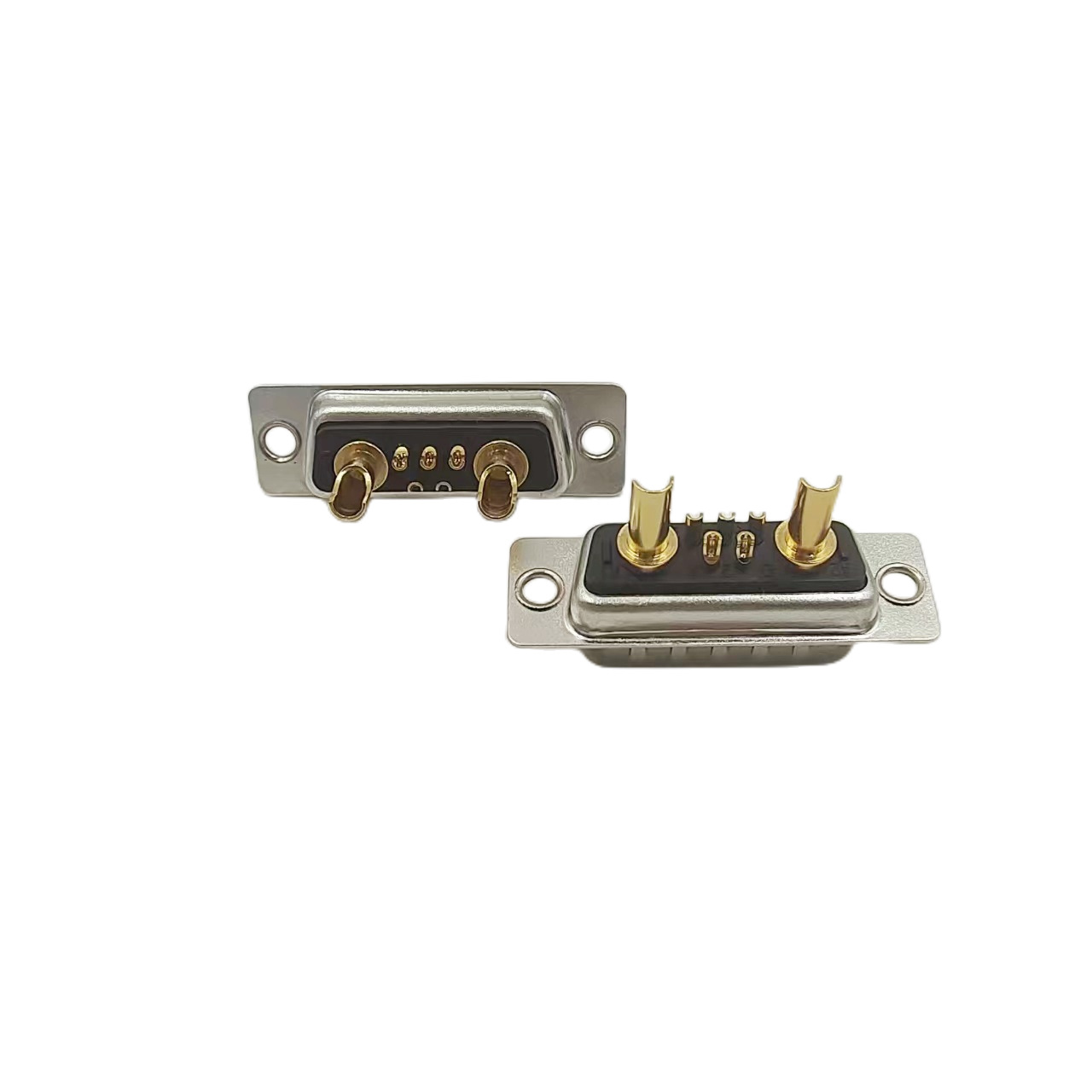
D-sub connectors are used in everything from personal computers and industrial automation controllers to aircraft connections. They are also widely used in the medical field, connecting sensors and actuators in monitors. D-sub connectors connect to pulse oximeter probes in defibrillators to measure blood oxygen saturation.
2) Durability
Sufficient gold plating and proper mounting of D-sub connectors can help mitigate the effects of continuous vibration on the connection.
D-sub connectors in medical applications should be IP-rated for protection against dust and moisture. D-sub cable assemblies with an IP67 rating come with a waterproof boot and rubber seal.
Another consideration for D-sub connectors in medical applications is radiated and electromagnetic interference (RFI and EMI), or noise. D-sub connectors with metal shells, when connected to the chassis ground and cable shield, can effectively mitigate EMI.
HDMI Connectors
The HDMI connector is a standard interface for all displays, used to transmit ultrasound machine video signals to a computer or monitor for viewing images. However, HDMI connectors used in medical environments must be designed to withstand vibration, mechanical shock, and utilize sealing technology to resist splashing water and potential corrosive substances.


