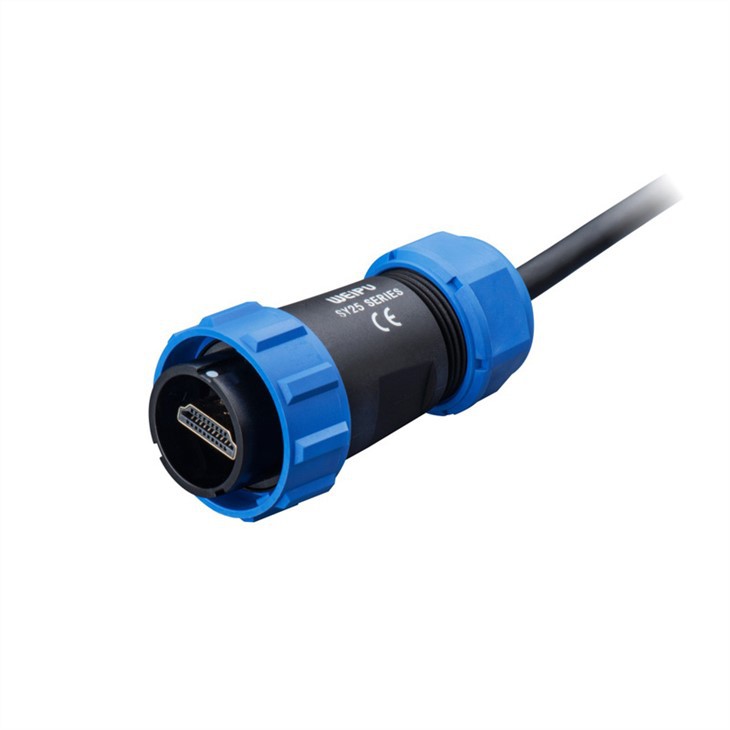
Maintaining BNC connectors over time is crucial for ensuring reliable signal transmission and preventing potential connection issues. Here are some best practices for maintaining BNC connectors:
1. Regular Inspection: Periodically inspect connectors for wear and tear, corrosion, and damage. This can help identify potential issues before they become critical.
2. Cleaning: Use a suitable contact cleaner to remove dirt, dust, and corrosion from the connectors. This helps maintain electrical conductivity and prevents signal loss.
3. Proper Handling: When connecting or disconnecting BNC connectors, apply the correct amount of force. Avoid excessive twisting or bending of the cables to prevent internal damage.
4. Weatherproofing: For connectors exposed to outdoor or humid environments, use weatherproof connectors or apply protective coatings to prevent moisture damage.
5. Replacement: Replace any damaged or corroded connectors immediately to avoid signal degradation and equipment damage.
6. Crimping Quality: Ensure that the crimp connections are of high quality. Poor crimp connections can lead to signal loss and intermittent connectivity. Use the correct tools and follow the manufacturer's guidelines for crimping.
7. Compatibility Checks: Verify that the BNC connector type matches the specifications of the equipment to avoid compatibility issues that could lead to signal loss or equipment damage.
8. Wiring Integrity: Regularly check the wiring for any signs of damage, such as exposed wires or broken insulation. Use a multimeter to test the continuity of the wires and ensure there are no breaks.
9. Signal Quality Monitoring: Monitor the signal quality over time to detect any degradation that could indicate a problem with the BNC connectors or cables.
10. Preventive Corrosion Measures: In environments prone to corrosion, take preventive measures such as using corrosion-resistant coatings or materials for the connectors.
11. Documentation: Keep a log of maintenance activities, including cleaning, inspection, and replacement. This documentation can help in tracking the maintenance history and identifying patterns or recurring issues.
12. Professional Help: If you encounter issues that you cannot resolve, seek professional help to avoid further damage to the equipment.
By following these best practices, you can extend the life of your BNC connectors and ensure reliable performance in your electronic systems.