 As a factory that specializes in producing high-quality connectors, we understand that soldering is a critical skill that can make or break the performance of an electrical connection. Proper soldering techniques ensure reliable connections, longevity, and overall product safety. Here are the best techniques for soldering connectors, which we apply in our own production processes to maintain the highest standards.
Before starting the soldering process, it’s essential to set up a clean and organized workspace. This minimizes the risk of contamination and ensures precision in the soldering process. At our factory, we ensure that all tools, including soldering irons, helping hands, and solder wire, are within easy reach, allowing for a smooth and efficient workflow.
Choosing the appropriate tools is vital for successful soldering. We recommend using a temperature-controlled soldering iron to maintain consistent heat, which is crucial for creating strong joints. Additionally, we ensure that the solder wire used is of high quality, typically a 60/40 tin-lead mix, which provides optimal flow and adhesion.
Proper preparation of both the connector and the wire is key to achieving a strong solder joint. In our factory, we begin by stripping the wire to expose the metal, taking care not to damage the strands. The connector pins are then cleaned to remove any oxidation or contaminants that could impede solder flow. We sometimes apply a small amount of flux to enhance solder flow and improve the connection’s durability.
Tinning, or coating the stripped wire with solder before connecting it to the connector, is a crucial step. It ensures that the solder flows smoothly and evenly when the wire is attached to the connector. In our factory, we carefully tin each wire, ensuring that the solder covers all exposed strands, which helps in creating a strong bond when the wire is soldered to the connector.
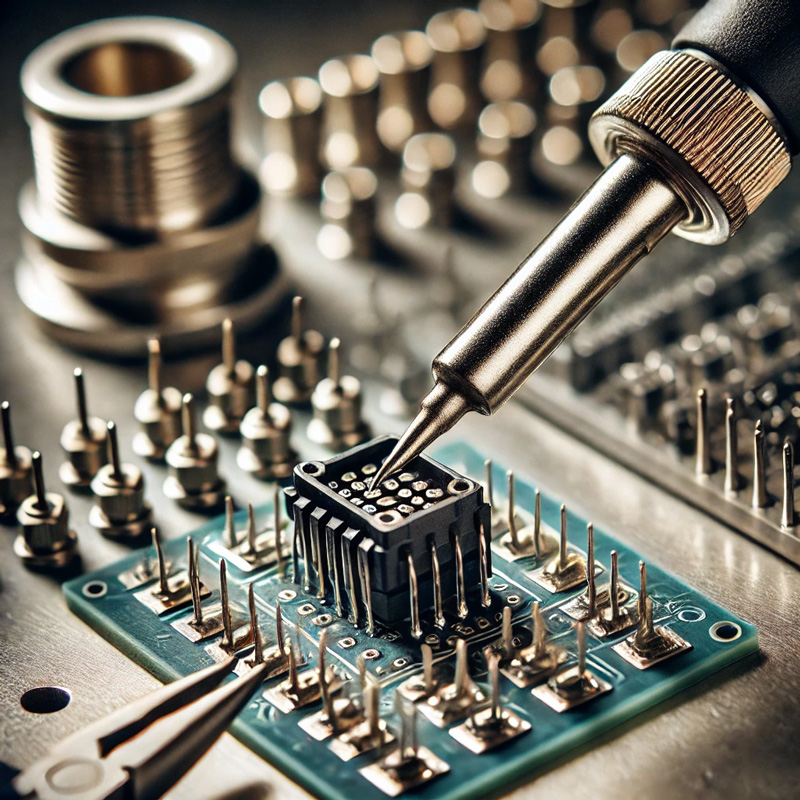
The actual soldering process requires precision and patience. We place the tinned wire onto the connector pin and apply the soldering iron’s tip to the joint, heating both the wire and the pin simultaneously. The solder is then applied, allowing it to flow into the joint and create a secure connection. In our factory, we emphasize the importance of not overheating the components, as this can damage the connector or cause the solder to become brittle.
After soldering, inspecting the joint is essential to ensure it meets quality standards. A good solder joint should be smooth, shiny, and free of cracks or voids. We conduct thorough inspections in our factory, using magnification tools to check for any imperfections that could affect the connection’s reliability.
Finally, cleaning the soldered joint is important to remove any residual flux or solder splashes. We use isopropyl alcohol and a small brush to clean the joints, ensuring a professional finish. This step not only improves the appearance but also enhances the reliability of the connection by preventing corrosion.
In conclusion, mastering the techniques of soldering connectors is crucial for ensuring reliable electrical connections. As a factory, we apply these techniques rigorously in our production processes, ensuring that our connectors meet the highest standards of quality and performance. If you need expert advice or high-quality connectors for your projects, don’t hesitate to reach out to us. We’re here to help.

