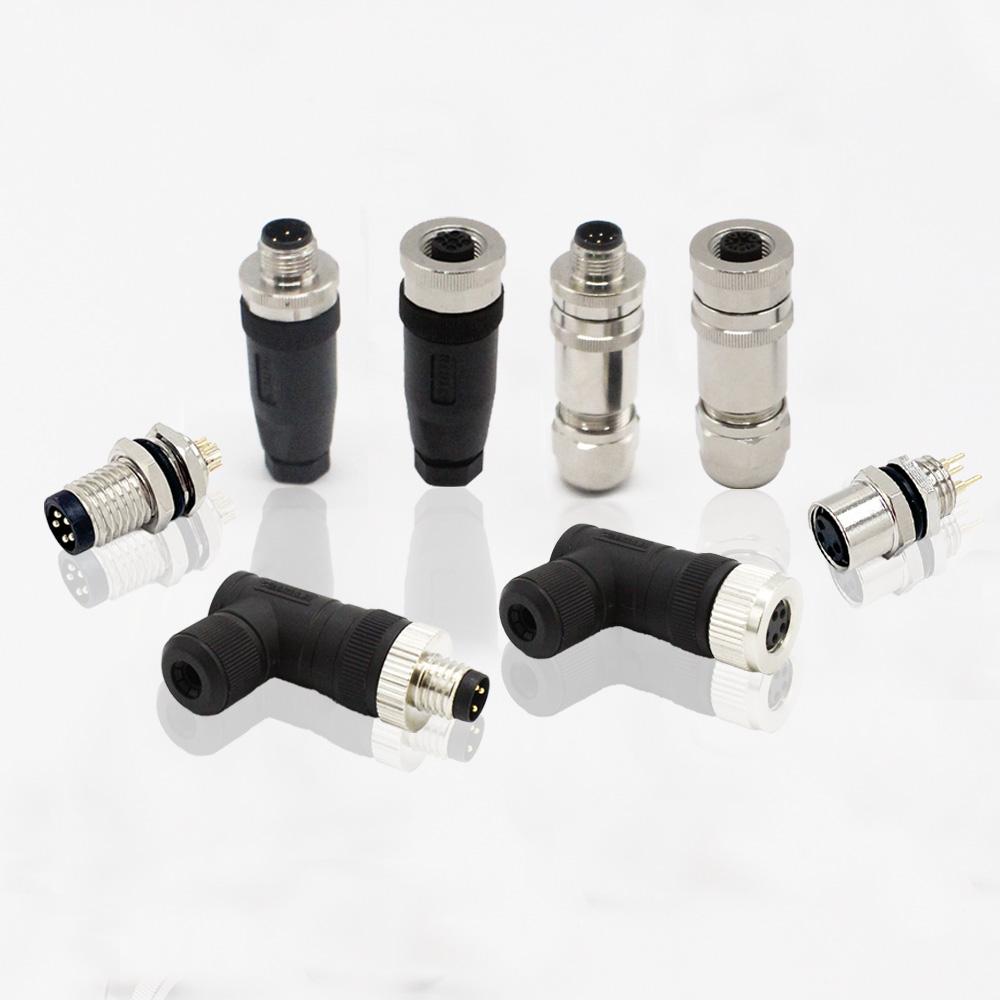
Many electronic devices have limited internal space, and right-angle or curved connectors can bypass obstacles and avoid conflicts with other components. The elbow design allows cables or tubes to change direction in a limited space, reducing cable length or avoiding unnecessary bending stress.
Many electronic devices (such as mobile phones, automobiles, and aerospace equipment) have limited internal space, and right-angle or curved connectors can bypass obstacles (such as batteries, circuit boards, and mechanical structures) to avoid conflicts with other components. The elbow design allows cables or pipes to change direction in a limited space, reducing cable length or avoiding unnecessary bending stress (excessive bending may damage internal wires).
 Notes
Notes1) Pipeline inspection
Remove dirt and rust from the pipeline, check the flatness of the pipeline wall, and ensure that there are no bumps that affect installation.
2) Accessory matching
Check whether the elbow connector model, specification, pipeline diameter, pressure level, and medium characteristics are consistent to avoid rupture or leakage due to size mismatch.
3) Cleaning and positioning
Clean the pipeline interface and connector surface to ensure that there are no impurities. During installation, pay attention to the elbow position to meet the design requirements, avoid excessive bending or too large corners to reduce uneven pressure on the pipeline.
4) Sealing material selection
Use special materials such as rubber gaskets and polytetrafluoroethylene sealing tape to ensure sealing performance and prevent leakage.
5) Connection method specifications
Flange connection: Tighten the bolts evenly after aligning the flange to avoid uneven force.
Threaded connection: Use matching sleeves and clamps to ensure thread alignment and proper reinforcement.
Socket-and-spigot connection: Leave a ≥10mm expansion gap at the socket end and check whether the pipe is straight after insertion.
6) Sealing verification
Confirm that there is no air or water leakage through visual inspection or pressure test to ensure that the connection is firm and reliable.
7) Fixing measures
High-pressure pipelines need to be equipped with concrete piers or metal clamps, and each pipe section must be fixed at least 3 points to prevent pipeline displacement.


