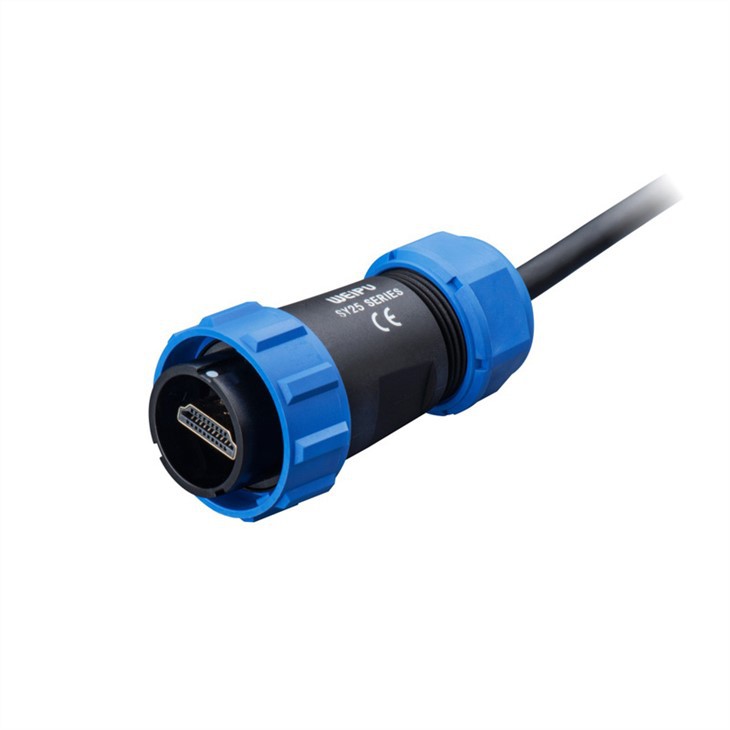
The standards for new energy vehicle wiring harnesses are often influenced by international, national or regional specifications and regulations to ensure the safety, performance, reliability and compatibility of electric vehicles. The following are some examples of international and national standards related to new energy vehicle wiring harnesses:
1.ISO 6469: A standard published by the International Organization for Standardization (ISO) that includes overall safety requirements for electric vehicles, including specifications for electric vehicle wiring harnesses.
2.ISO 6722: A standard published by ISO that details the insulation materials, dimensions, properties and test methods of wires and cables for automotive applications, including new energy vehicle wiring harnesses.
3.ISO 15118: This international standard specifies the communication protocol between electric vehicles and charging equipment, including requirements for electric vehicle charging harnesses.
4.GB/T 18384: A Chinese national standard that covers the safety performance requirements for electric vehicles, including regulations for electrical wiring harnesses.
5.SAEJ1772: Standard issued by the Society of Automotive Engineers (SAE) of the United States, which specifies the physical connection between electric vehicles and charging equipment, including charging harnesses.
6.UL 2580: Standard issued by Underwriters Laboratories of the United States, which applies to the safety performance requirements of wires and cables for electric vehicles.
7.UN ECE R100: Regulations issued by the United Nations Economic Commission for Europe (UNECE), covering the type approval of electric vehicles, including relevant requirements for wiring harnesses.
8.NEC (National Electrical Code): Standard issued by the National Fire Insurance Association (NFPA) of the United States, which includes regulations related to the safety and installation of electrical wiring harnesses. These standards and specifications are designed to ensure that the design, manufacture and installation of new energy vehicle wiring harnesses comply with international safety standards and regulations to ensure the safety and reliability of electric vehicles. When designing and producing new energy vehicle wiring harnesses, automakers and suppliers generally need to follow these standards to ensure that their wiring harnesses meet relevant safety and performance requirements. Main advantages New energy vehicle wiring harnesses have many advantages over the electrical system wiring harnesses of traditional internal combustion engine vehicles. These advantages can improve the performance, reliability and safety of electric vehicles while also helping to achieve higher energy efficiency and environmental protection.