In the production process of underwater electrical connectors, the commonly used processing technologies include mechanical processing of parts, surface treatment, surface gluing, rubber vulcanization, injection molding, epoxy resin potting and welding, etc. Among them, surface gluing, rubber vulcanization and glue potting are relatively special processes compared with conventional circular connectors.
1. Rubber Vulcanization Process
The rubber vulcanization process is the most commonly used and most critical process in the production process of underwater electrical connectors. It mainly solves the performance problem of longitudinal watertightness of submarine connectors (that is, the connector still has a separate watertight property in the non-plugged state, and water will not enter the equipment through the connector). Rubber vulcanization refers to the chemical change process in which the linear macromolecules of rubber form a three-dimensional network structure through chemical cross-linking. When vulcanizing agents are added to rubber and heat-treated or otherwise, cross-linking will occur between rubber molecules, thereby improving its properties, especially elasticity, heat resistance, tensile strength and insolubility in organic solvents. The three basic elements of the rubber vulcanization process include vulcanization temperature, vulcanization pressure and vulcanization time.
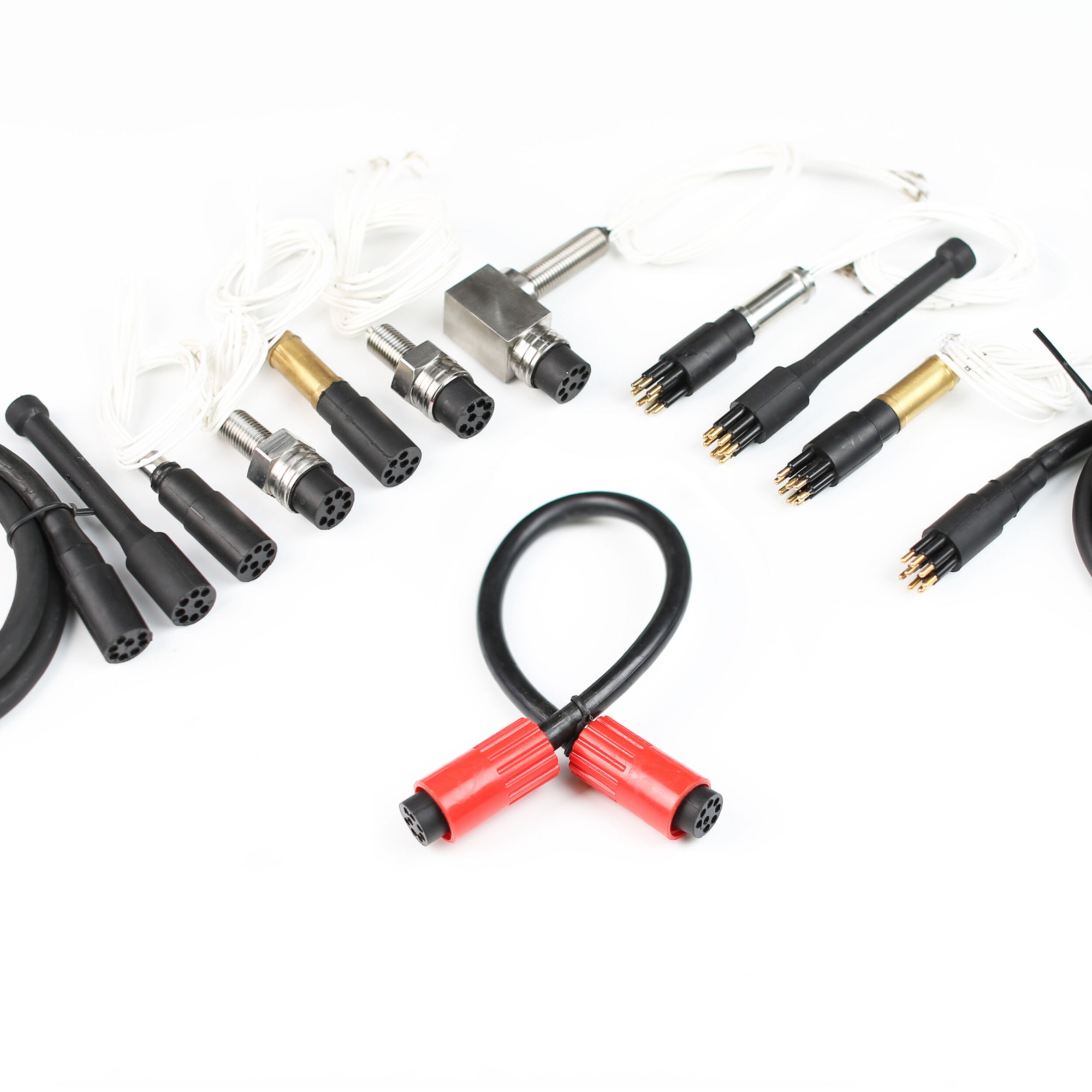
Before vulcanization, the parts of underwater connectors need to be coated with glue on the surface to achieve better bonding performance. Generally, the brushing method is adopted, that is, a soft brush of appropriate size is selected, and an appropriate amount of specific glue is dipped to apply the glue to the underwater connector parts after surface activation. It should be noted that the brushing should be uniform. At the same time, it should be noted that the brushing should be applied in one direction, and the brushing should not be reciprocated to avoid introducing bubbles.
3. Potting Process
Potting process is also a common process for the production and manufacturing of underwater cable connectors. While potting increases the strength of submersible connectors and resists the water pressure of the external environment, it can also enable the connector contacts to be well positioned (fixed and protected) and have good insulation properties to meet the use requirements. Since seacon underwater connectors have high pressure and high sealing requirements, bubbles are not allowed to be generated after the potting glue at the tail end is cured, otherwise it is easy to seep water and cause electrical performance failure. Therefore, potting and curing usually need to be performed in a vacuum environment to avoid bubbles in the potting glue.


