The UMP (Ultra Miniature Push-Pull) connector is a compact, high-performance connector designed for applications where space is limited and reliability is critical.
Ultra-Miniature Push-Pull (UMP) connectors originated from the push-pull connector type pioneered by LEMO Connectors. Over time, multiple manufacturers have developed and improved them to meet the needs of high-reliability industries such as medical devices, aerospace, and industrial automation for smaller, more reliable and durable connectors.
These connectors feature a push-pull mechanism that allows for easy insertion and removal while ensuring a secure connection. UMP connectors are commonly used in medical devices, industrial equipment, military applications, and other industries that require miniaturization, durability, and high-density interconnects.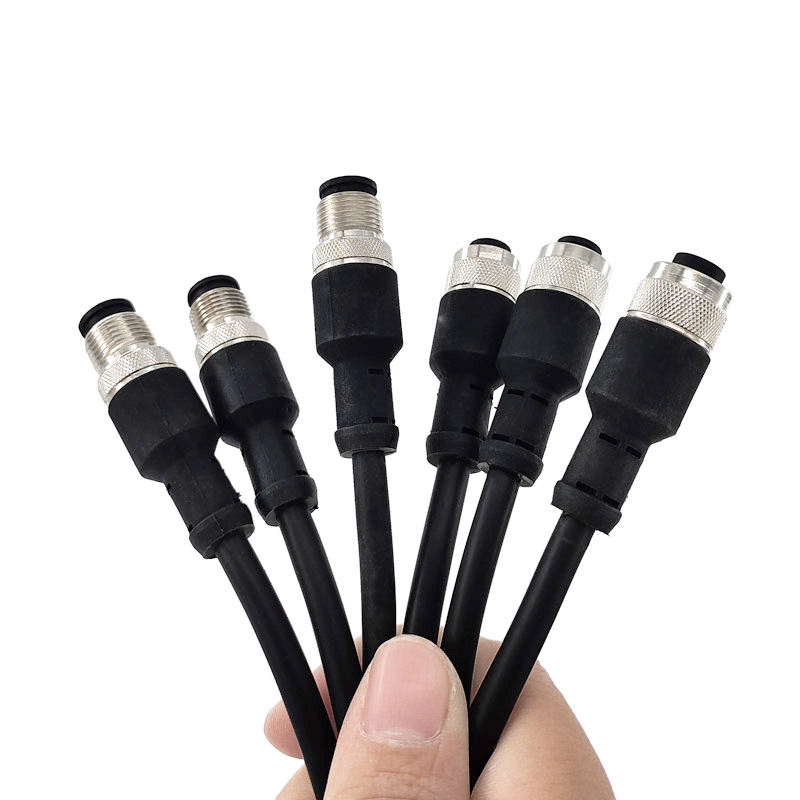
Here are some key features and applications of UMP connectors:
1. Design and Mechanism:
UMP connectors feature a push-pull mechanism that allows for easy insertion and removal while ensuring a secure connection. This design is particularly beneficial in environments where quick disconnects are necessary.
2. Applications:
- Medical Devices: UMP connectors are commonly used in medical equipment, where high reliability and compact size are essential.
- Industrial Equipment: Their durability and high-density interconnect capabilities make them suitable for industrial applications.
- Military and Aerospace: UMP connectors meet stringent reliability requirements, making them ideal for military and aerospace systems where environmental factors and sterilization are critical.
3. Customization:
Many UMP connectors are customizable to meet specific application needs, allowing manufacturers to work closely with clients to develop tailored solutions.
4. Material Specifications:
- Shell Materials: Available in metals (aluminum, stainless steel, brass) and plastics (PEEK, polycarbonate).
- Contact Materials: Typically made from copper alloys (brass, phosphor bronze) with gold, nickel, or silver plating.
- Insulation: Uses materials like PTFE (Teflon) and PPS (polyphenylene sulfide) for effective insulation.
5. Installation Types:
UMP connectors can be mounted in various ways, including panel mounting, PCB mounting, cable mounting, and flange installation, providing flexibility for different setups.
6. Market Presence:
Major suppliers of UMP connectors include Fischer Connectors, LEMO, and ODU, indicating a broad market presence and support for various industries.
7. Design Notes
-Standardization: UMP connectors may meet industry standards for performance and safety, use in medical devices, or waterproof ratings, but they are not standardized; vendors offer proprietary versions of this interface. Manufacturers often use unique locking mechanisms, pinouts, and material compositions to differentiate their products, which makes cross-compatibility difficult.
-Certification: UMP connectors are often used in specialty applications with unique requirements, such as medical devices, military equipment, and aerospace systems. These industries may have stringent requirements for reliability, sterilization, or environmental factors not covered by universal standards.
-Customization: Many UMP connectors are customizable to meet the specific needs of an application. Manufacturers can work closely with customers to develop tailored solutions.
-Mounting Type: Panel mount, PCM mount, Cable mount, In-line mount, Flange mount, Bulkhead mount.
8. Material Specifications
-Housing: Metal (aluminum, stainless steel, brass), Plastic (PEEK, polycarbonate, LCP)
-Contacts: Copper alloy (brass, phosphor bronze), beryllium copper, stainless steel
-Plating: Gold, Nickel, Silver
-Insulation: PTFE (polytetrafluoroethylene), PPS (polyphenylene sulfide)


