M12 connectors, essential in many industrial and harsh environment applications, owe their reliability and durability to the specific materials used in their construction. These materials are chosen to withstand various environmental challenges and ensure long-term performance.
M12 connectors, essential in many industrial and harsh environment applications, owe their reliability and durability to the specific materials used in their construction. These materials are chosen to withstand various environmental challenges and ensure long-term performance.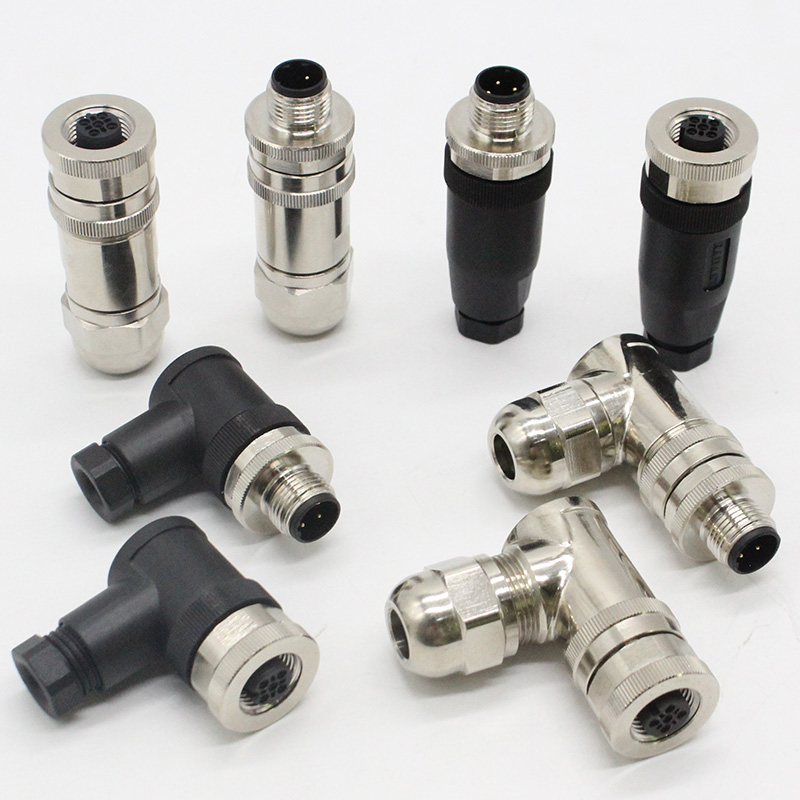
Core Materials in M12 Connectors
Connector Housing: The housing of M12 connectors is generally made from metals like brass or stainless steel. Brass is favored for its excellent machinability and corrosion resistance, while stainless steel offers superior strength and durability in extreme conditions.
Protective Plating: Metal components are often coated with nickel or chrome plating. Nickel plating is common due to its ability to resist corrosion and wear, providing an additional layer of protection against harsh environments.
Electrical Contacts: The contacts inside M12 connectors are typically made from brass or phosphor bronze. These metals are chosen for their high electrical conductivity and resilience. Gold plating on these contacts is common to prevent oxidation and ensure a consistent, low-resistance connection.
Insulation: High-performance plastics such as PBT (Polybutylene Terephthalate) or PA (Polyamide) are used for the insulating components. These materials are known for their excellent insulating properties and resistance to high temperatures and chemicals.
Sealing Components: Seals and gaskets are crucial for maintaining the waterproof and dustproof qualities of M12 connectors. Materials like silicone or EPDM (Ethylene Propylene Diene Monomer) rubber are used for their superior sealing capabilities and flexibility.
Advantages of These Materials
Mechanical Strength: The use of metals like brass and stainless steel ensures that the connectors can endure mechanical stress and resist physical damage.
Corrosion Resistance: Plating materials such as nickel enhance the connectors' ability to withstand corrosive environments, thus extending their operational life.
Conductivity: Brass and phosphor bronze contacts, often gold-plated, provide excellent electrical conductivity and minimize contact resistance, ensuring stable connections.
Insulation and Protection: The high-quality plastics used for insulation protect the electrical components from heat and chemical exposure, while seals made from silicone or EPDM ensure that the connectors remain dustproof and waterproof.
In summary, the selection of robust and high-performance materials is key to the reliability and longevity of M12 connectors. These materials ensure that the connectors can perform consistently in industrial environments, making them a trusted choice for applications requiring durable and reliable connectivity.

