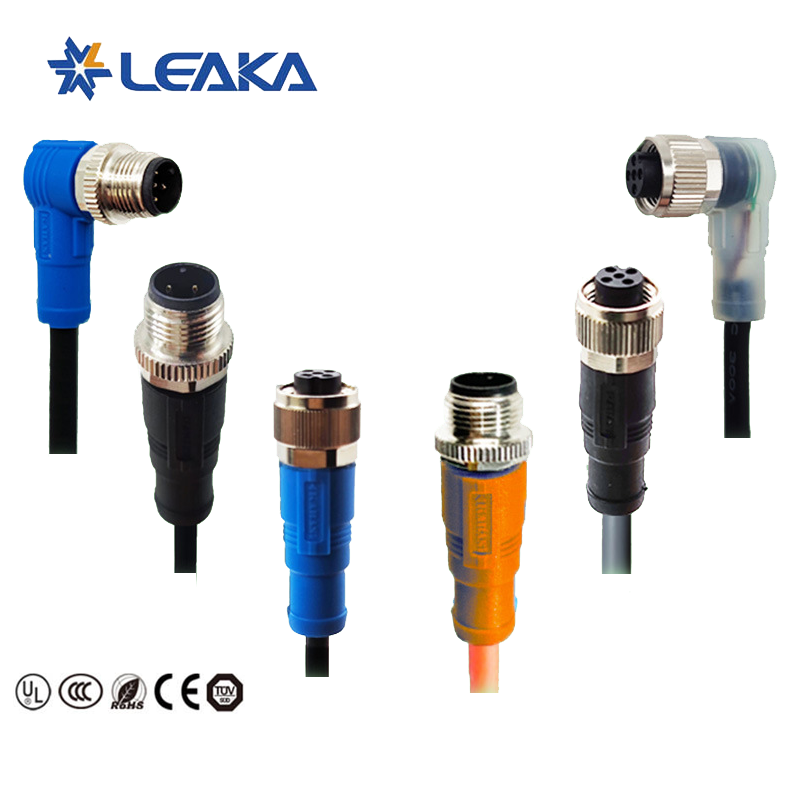
Connectors are essential in maintaining data security and network safety in sensitive applications like military and medical fields, where secure and reliable connections are crucial. They serve as physical interfaces that enable data transmission while protecting the integrity, confidentiality, and availability of the data being transferred. Here’s an in-depth look at their role in security and safety:
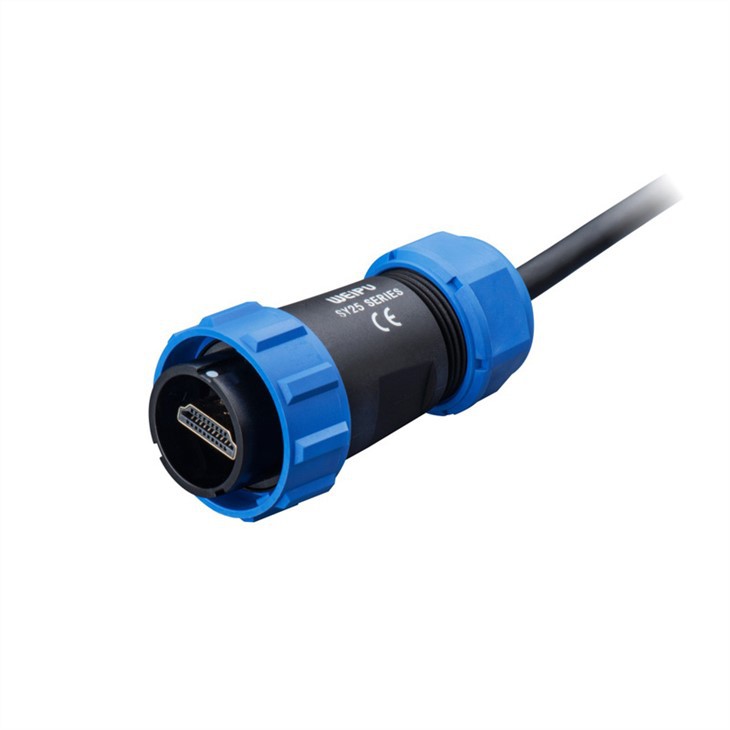
1. Physical Data Protection
- Tamper-Resistance: In sensitive fields, connectors are often designed with tamper-resistant features. For military applications, for instance, connectors may include sealing mechanisms, secure lock systems, and other anti-tamper designs to prevent unauthorized access. These measures reduce the risk of physical interference, which could lead to data breaches.
- Shielding from Interference: Connectors in both military and medical devices are shielded to prevent electromagnetic interference (EMI) or radio frequency interference (RFI). Such interference can disrupt data integrity, especially in medical equipment where precision is critical, or in military communications where secure data transfer is essential. Shielded connectors ensure that data remains clear and unaffected by external signals.
2. Secure Data Transmission
- Data Encryption Support: High-end connectors support encryption protocols to secure data transmitted over networks, particularly for medical records or military intelligence. Some advanced connectors are integrated with digital security features that work alongside encryption technology, ensuring that only authorized parties can interpret the transmitted data.
- Authentication Capabilities: In some applications, connectors are designed to work with hardware-based authentication systems. For example, a medical device or military terminal may require connector-based identification, ensuring that only authorized devices can connect to the system. This added layer of authentication reduces the risk of malicious access.
3. Reliability and Redundancy in Connection
- Enhanced Reliability: Sensitive fields require connectors that provide reliable, uninterrupted connectivity. Medical devices used in surgeries or military systems in mission-critical operations rely on connectors designed to withstand environmental stressors like high vibration, extreme temperatures, and moisture. This reliability minimizes the risk of disconnection or data loss.
- Redundant Connections: For added security, connectors in these fields often support redundant pathways, allowing data to continue transmitting even if one connection fails. In critical military operations, for example, redundant connectors ensure that data transmission remains uninterrupted, safeguarding information flow even in challenging conditions.
4. Compliance with Security Standards
- Adherence to Regulations: Military and medical connectors are designed to meet specific regulatory standards, such as the U.S. Department of Defense’s MIL-SPEC for military connectors or FDA regulations for medical devices. Compliance ensures that connectors meet stringent requirements for both security and safety, reducing vulnerabilities associated with non-compliant components.
- Regular Testing and Certification: Connectors used in these fields undergo rigorous testing for both physical and digital security. Military-grade connectors, for example, are tested for cybersecurity vulnerabilities to prevent data leaks, while medical connectors are checked for resilience to ensure data confidentiality in patient records.
5. Physical Security for Sensitive Environments
- Secure Installation and Port Locking: Connectors can be designed with locking mechanisms to prevent unauthorized removal or tampering, which is vital in secure installations. In a military network, for example, connectors with locking features prevent interception, ensuring that cables cannot be easily removed to disrupt data flow or access restricted information.
- Environmental Isolation: In medical applications, especially in sterile environments, connectors are built to prevent contamination and ensure secure connections in controlled settings. Specialized connectors help maintain a secure environment and protect both data integrity and patient safety.
Conclusion
In summary, connectors play a critical role in ensuring data security and network safety in military and medical applications by providing tamper-resistance, secure data transmission, redundancy, compliance with standards, and physical protection. By integrating these security-enhancing features, connectors help safeguard sensitive information and maintain reliable connections, supporting both operational integrity and data confidentiality in high-stakes environments.