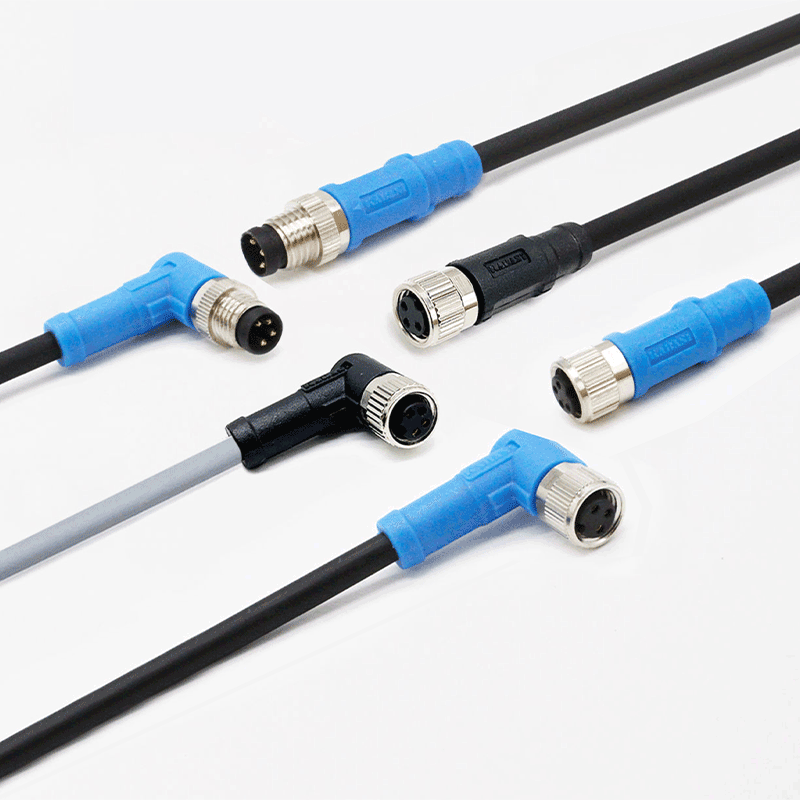
Mold design is the first step in the process production of connectors. It is necessary to design a suitable mold according to the shape, specifications, materials and uses of different connectors. First, it is necessary to determine the shape, size, wall thickness and load of the connector, and then select the appropriate material according to the design requirements, and carry out structural design and detail processing to finally form a detailed three-dimensional design drawing.
Mold design refers to the manufacture of molds that can produce high-quality products through reasonable structural design and fine manufacturing processes in accordance with the requirements of the product. The main steps of connector mold design include material selection, concept design, structural analysis, mold manufacturing and mold debugging.
1) First, it is necessary to select suitable materials for mold manufacturing.
The mold material should have the characteristics of high strength, high hardness, high wear resistance and high stability. When selecting materials, factors such as the difficulty of processing and cost factors should also be considered.
2) Secondly, carry out conceptual design.
When designing the mold of the connector, the shape, size and related characteristics of the connector need to be considered. The design should take into account the production efficiency and processability of the production line, while ensuring the quality of the molded product.
3) Then, perform structural analysis.
When designing the mold of the connector, it is necessary to analyze the mold structure through methods such as material mechanics calculation to ensure that the mold has sufficient strength and stability. In the process of structural analysis, it is also necessary to consider manufacturing process factors, such as processing difficulty and cost.