1. Current and voltage requirements: First, determine the rated current and voltage of the required connector. According to the current and voltage requirements of the equipment, select a suitable 4C-type sheath connector.
2. Environmental conditions: Consider the environmental conditions of the connector, including temperature, humidity, vibration, etc. If the connector needs to work in harsh environmental conditions, it is necessary to select a connector with waterproof, dustproof, high temperature resistance and other characteristics.
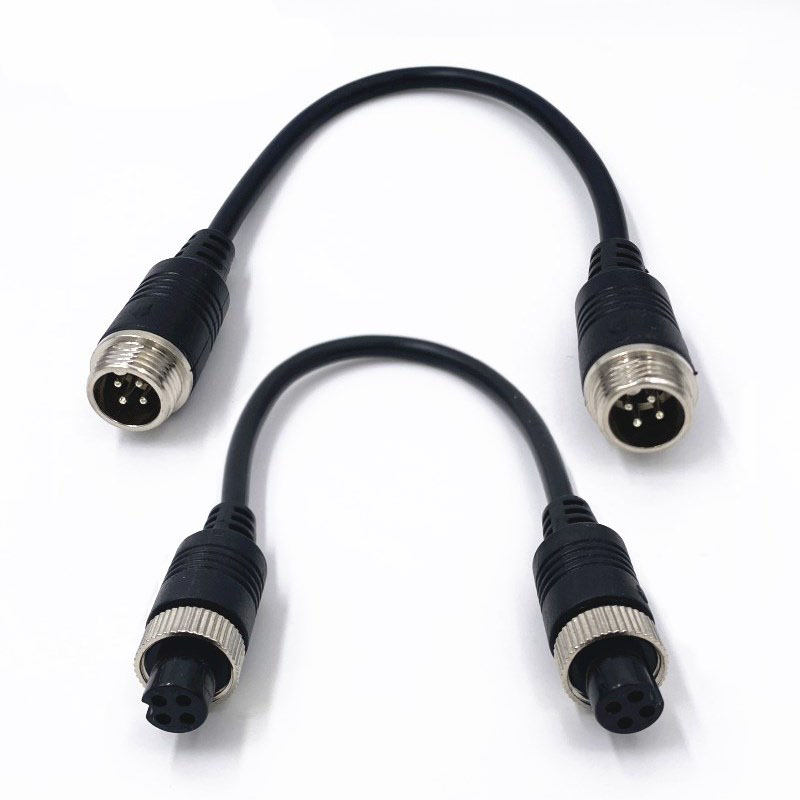
3. Connection method: Select a suitable connection method according to the use scenario and requirements of the connector. The 4C-type sheath connector has two connection methods: plug-in and welding. Select the appropriate connection method according to actual needs.
4. Quality and reliability: Select a connector with high quality and reliability. You can consider choosing a connector from a well-known brand, or refer to the evaluation and experience of other users.
5. Cost: Choose the right connector based on your budget and cost requirements. The prices of connectors of different brands and models vary. You can choose the right connector based on your actual needs and budget.
6. Installation and maintenance: When choosing a 4C-type sheath connector, you need to consider the convenience of its installation and maintenance. Prefer connectors with simple designs, easy installation and maintenance to reduce unnecessary trouble and time costs.
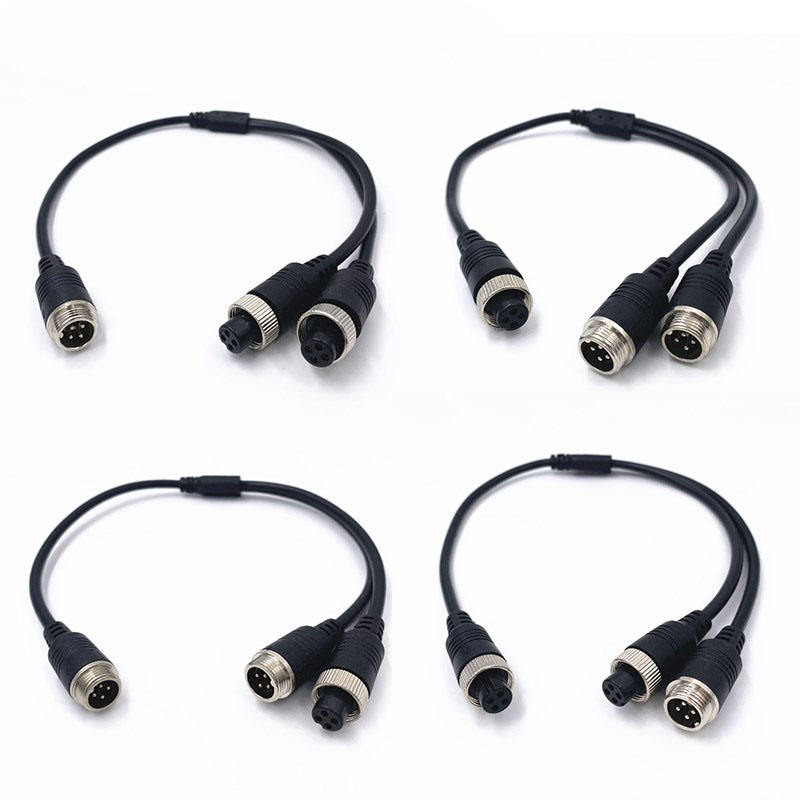
7. Scalability: If your application needs to be expanded or upgraded, it is important to choose a connector that supports scalability. This will ensure that you can easily add new connections or devices and integrate them into the existing system.
8. Compatibility: If you already have some equipment or systems, you need to be compatible with the 4C-type housing connector. Therefore, when choosing a connector, you need to ensure its compatibility to avoid any unnecessary integration issues.
9. Anti-interference ability: According to the actual application requirements, choose a connector with good anti-interference ability. This will help reduce the impact of external interference on signal transmission and ensure the accuracy and stability of data.


