Introducing the features that need to be considered when selecting ship connectors
Electrical connectors used in ships and other marine applications must meet stringent standards, especially when subjected to weather, water and salt water, vibration, and extreme temperatures. In addition, limited space is often a factor, requiring compact connectors or connectors with high pin counts to handle multiple wires.
While mastering these basics, it is also important to keep in mind six key points to ensure that the design of a reliable connection system can operate stably in the harshest water environments. This will enable more precise response to various harsh environments, thereby creating a truly reliable connection system that meets the needs of a variety of application scenarios.
Weatherproof or waterproof design
Once the plug and socket are exposed to the outdoors, they must be able to withstand wind and rain. If they are not immersed, they must also ensure excellent waterproof performance. When purchasing connectors, be sure to carefully check their protection level to ensure that the selected product can maintain long-term and stable performance under the expected harsh weather conditions. Through such careful selection, it can be guaranteed that the connector can work reliably in various weather conditions and meet the needs of long-term use.
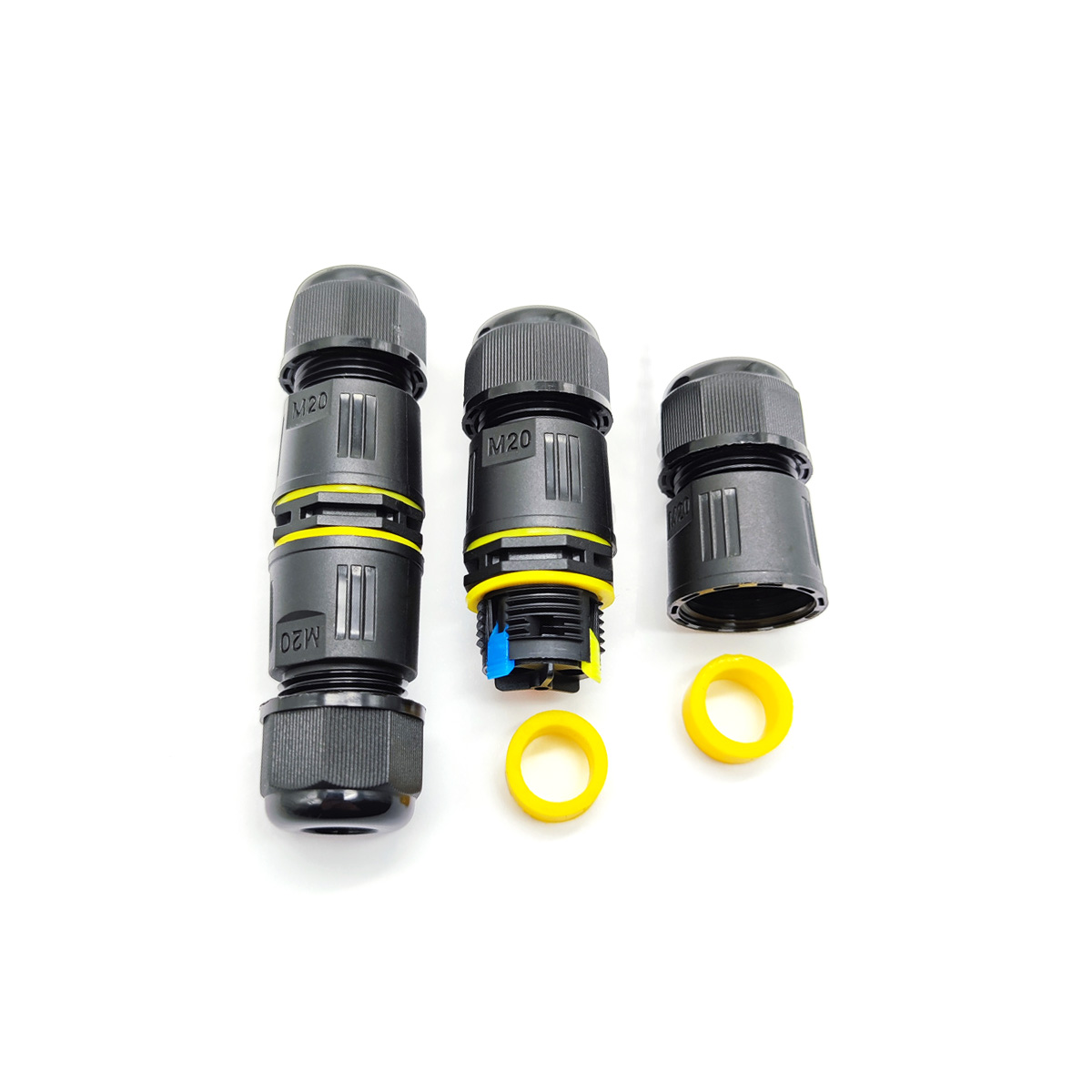
Non-interchangeability
The sockets and corresponding plugs used in the DC system must never be confused or interchanged with the sockets and plugs used for the AC system in other parts of the ship. This strict distinction is to ensure the stable transmission of current and avoid potential electrical faults. Incorrect interchange may lead to unstable current and may even cause serious consequences such as fire or equipment damage. In order to ensure that no wrong connections occur between systems, the shipbuilding industry generally adopts an effective method: color-coded wiring. By giving specific colors to the sockets and plugs of different systems, staff can quickly and accurately identify the function of each plug point, thereby avoiding misoperation. This method is simple and intuitive, greatly improving work efficiency and safety. In addition, some connector manufacturers also provide connector options in multiple colors to support the practice of color coding. For example, the green connector socket is designed for applications where the systems need to be clearly distinguished. This green socket contrasts sharply with sockets of other colors, allowing staff to recognize at a glance that it belongs to the DC system. By adopting color-coded wiring and using connectors of specific colors, we can effectively avoid incorrect connections between DC and AC systems and ensure the normal operation and safety of the ship's electrical system.
Limited bending
Limited bending of plugs and sockets is essential to ensure a stable wire connection and prevent breakage and performance degradation. To achieve this goal, plugs and sockets must be equipped with special support devices to stabilize all wires and limit the degree of bending at the connection. This design not only ensures the stability of the wires during the connection process, but also effectively extends the service life of the connector. In today's market, leading connector manufacturers have adopted innovative solutions to meet this need. Among them, the extended shell connector is a highly recommended choice. This connector provides more stable support for the wire by increasing the size and strength of the shell. At the same time, it also integrates a strain relief device inside, which can effectively disperse and buffer the stress when the wire is subjected to external forces, thereby preventing the wire from bending.


