Whether cold-pressed terminals need to be tinned when wiring mainly depends on whether the wire ends are crimped firmly. If the tinning is not strong enough, tinning is not required. If special crimping pliers, hydraulic pliers, stamping and other processes are used, tinning is not required, because tinning makes the stranded wire brittle, but especially thin stranded wires should be tinned to make the wires firm.
Whether cold-pressed terminals need to be tinned depends on the specific application scenario and crimping process:
1. Key Requirements for Tinning
1) Tool and Process Decision
When using special crimping pliers, hydraulic pliers and other tools, tinning is not required to prevent the stranded wire from becoming brittle due to melting tin. If there are no regular tools, tinning is recommended to ensure connection reliability.
Whether cold-pressed terminals need to be tinned when wiring mainly depends on whether the wire ends are crimped firmly. If the tinning is not strong enough, tinning is not required. If special crimping pliers, hydraulic pliers, stamping and other processes are used, tinning is not required, because tinning makes the stranded wire brittle, but especially thin stranded wires should be tinned to make the wires firm.
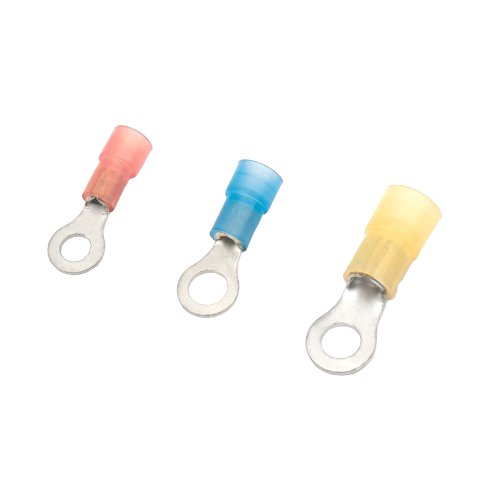
2) Thin Wires and Special Environmental Requirements
Tinning is required for fine stranded wires or in humid and corrosive environments to enhance mechanical strength and corrosion resistance.
3) Current and Safety Considerations
Under high current or high load scenarios, cold-pressed connections themselves can provide stability and low contact resistance, and usually no additional tinning is required.
2. Potential Effects of Tin Plating
1) Increase contact area, reduce contact resistance, and improve conductivity.
For wire connections with low requirements and low current, tin plating is not required. For thicker wire connections, the wiring nose can be pressed tightly and tinned, and then connected with bolts.
2) Prevent molten tin from falling off due to excessive current and avoid safety hazards.
Tin plating can connect each strand of wire into one, so that the strands will not loosen when the wire is formed.
3) Prevent bare wires from oxidizing in the air.
4) Enhance the forming ability of the lead wire.
3. Alternative Solutions
Using bolt connection or hydraulic crimping process can not only meet safety requirements, but also avoid the embrittlement problem caused by tin plating.

