The heating of automotive wiring harnesses is mainly caused by the following reasons, which can be divided into four categories: external heat source, abnormal circuit load, connection problems and environmental factors.
The heating of automotive wiring harnesses is mainly caused by the following reasons, which can be divided into four categories: external heat source, abnormal circuit load, connection problems and environmental factors:
1. Causes
Influence of external heat source
The heat radiation generated by high-temperature components such as exhaust pipes and turbochargers, or high-temperature gas leakage and poor air convection will accelerate the aging of the wiring harness insulation layer and cause the wiring harness to heat up.
Circuit load overload
When the current exceeds the carrying capacity of the wire, the wire will burn the wiring harness due to intense heat. For example, the plastic insulation sleeve used for the ammeter terminal has poor heat dissipation, or the power harness is improperly fixed and worn by the vehicle bumps, which may cause overload.
Connection problem
Loose or poor contact of the terminal will cause increased voltage drop, and damage to the insulating gasket will cause short circuit;
The screws of the ammeter terminal are too long or the wire specifications do not meet the requirements, which may cause grounding or increased resistance and heating.
Environmental and fixed defects
The closed environment around the wiring harness, poor heat dissipation, or insufficient fixed protection measures (such as no insulation on the edge of the power harness) will accelerate the aging of the wiring harness.
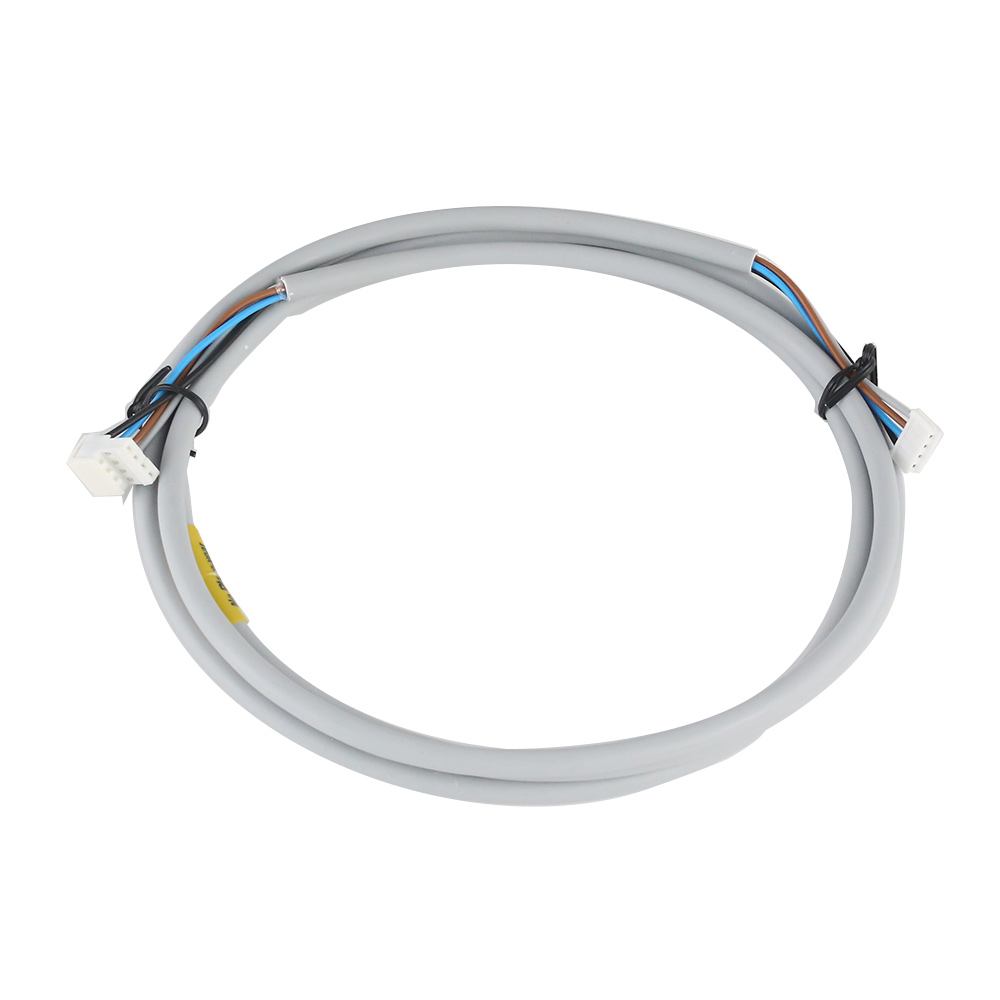 2. Solution
Check and Replace Wires
Ensure that the wire specifications meet the requirements and avoid too thin wires; standardize the operation when replacing to prevent false connections.
Optimize Fixing Measures
Use well-insulated fixing clamps to avoid friction between the wires and the car body; adjust the wiring harness layout to reduce exposure to high temperature environments.
Strengthen Terminal Connections
Regularly check the tightness of the terminal posts and replace aging or damaged insulation gaskets; avoid using too long wiring screws.
Check Short Circuits and Overloads
Use an infrared thermometer to detect the temperature of the wiring harness and combine it with an ammeter to check for overload problems; if a short circuit is found, the relevant lines must be repaired or replaced in time.
Improve Heat Dissipation Conditions
Adjust the wiring harness layout to increase air convection; regularly clean the wiring harness surface to reduce heat accumulation.
Summary
In daily use, it is necessary to regularly check the tightness of the terminal, the wire specifications and the insulation status, avoid the wiring harness close to high-temperature components, and ensure that the fixing method is safe and reliable. If continuous heating or ablation is found, the circuit load and external heat source should be checked in time.


