If the voltage on a connector suddenly drops while in use, first check the power supply and load status and troubleshoot any wiring issues. If necessary, install a voltage stabilizer or specialized equipment for voltage compensation to ensure safe and stable operation.
If the voltage on a connector suddenly drops while in use, first check the power supply and load status and troubleshoot any wiring issues. If necessary, install a voltage stabilizer or specialized equipment for voltage compensation to ensure safe and stable operation.
Causes
1) Abnormal Contact Resistance
When the current exceeds the threshold, Joule heating on the contact surface causes the metal to soften or melt, rapidly reducing contact resistance and resulting in a voltage drop. Additionally, poor contact material or aging can lead to contact failure, further exacerbating voltage loss.
2) Excessive Current
If the connector's rated current is insufficient, high current in actual use can accelerate contact overheating, causing resistance changes and a sudden voltage drop.
3) Increased Line Losses
Wire Problems: Excessively thin wires or excessively long lines increase resistance, resulting in a significant voltage drop during transmission.
Insufficient Transformer Capacity: If the distance from the service line to the point of use is too long or the load is too heavy, the transformer's power supply capacity may be exceeded, causing voltage drop.
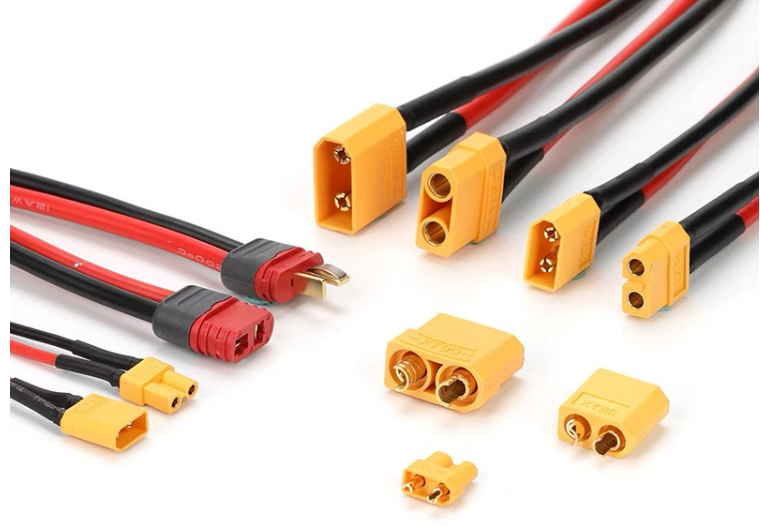 Check the power supply and load status
1) Confirm the power supply voltage
First, check whether the external power supply voltage is normal. If the power supply voltage itself is insufficient (e.g., lower than the device's requirements), consider using a voltage stabilizer or step-up transformer.
2) Check the load capacity
Confirm whether the load exceeds the rated capacity of the circuit. Overload can cause voltage drops. Reduce the number of devices or upgrade the power supply capacity.
Troubleshoot wiring and connection issues
1) Check wiring connections
Check for damaged wires, breaks, or poor contact. Loose connections can significantly reduce voltage. Ensure all terminals are secure and free of corrosion or oxidation.
2) Check the load equipment
Check for damage to control devices such as contactors and relays. Damaged equipment can cause short circuits or voltage abnormalities. If the contactor coil fails to engage, consider using a DC voltage stabilizer (24V) or UPS to power the coil.
Take protective and compensatory measures
1) Install a voltage stabilizer or UPS
Installing a voltage stabilizer or uninterruptible power supply (UPS) at the load end can automatically adjust for voltage fluctuations and ensure stable equipment operation.
2) Use a Magnetic Resonance Transformer (CVT)
For three-phase systems, a CVT transformer can provide stable output even when the voltage dips to 70%, but be aware that it is relatively large.
3) Seek Help
If the above methods are ineffective, it is recommended to contact a professional electrician or the power company to use a voltmeter to measure parameters such as line loss and contact resistance to identify potential faults.


