Cold-resistant cables represent a critical category of specialized wiring solutions engineered to maintain optimal performance, flexibility, and safety in frigid environments where standard cables would fail. These cables are indispensable for infrastructure, research, and industry operating in the world's coldest regions, from the Arctic Circle and Antarctic research stations to high-altitude installations, frozen port facilities, and industrial freezers.
Cold-resistant cables represent a critical category of specialized wiring solutions engineered to maintain optimal performance, flexibility, and safety in frigid environments where standard cables would fail. These cables are indispensable for infrastructure, research, and industry operating in the world's coldest regions, from the Arctic Circle and Antarctic research stations to high-altitude installations, frozen port facilities, and industrial freezers.
Understanding Cold-Resistant Cables: Definition and Core Principle
A cold-resistant cable is specifically designed to withstand extremely low ambient temperatures without compromising its electrical or mechanical integrity. The "cold resistance" primarily refers to the properties of its insulation and jacket (sheath) materials. Unlike standard cables, which can become brittle, crack, or shatter when exposed to severe cold, these specialized cables retain their flexibility, dielectric strength, and physical durability. This ensures reliable power transmission and signal continuity in conditions that would incapacitate ordinary wiring.
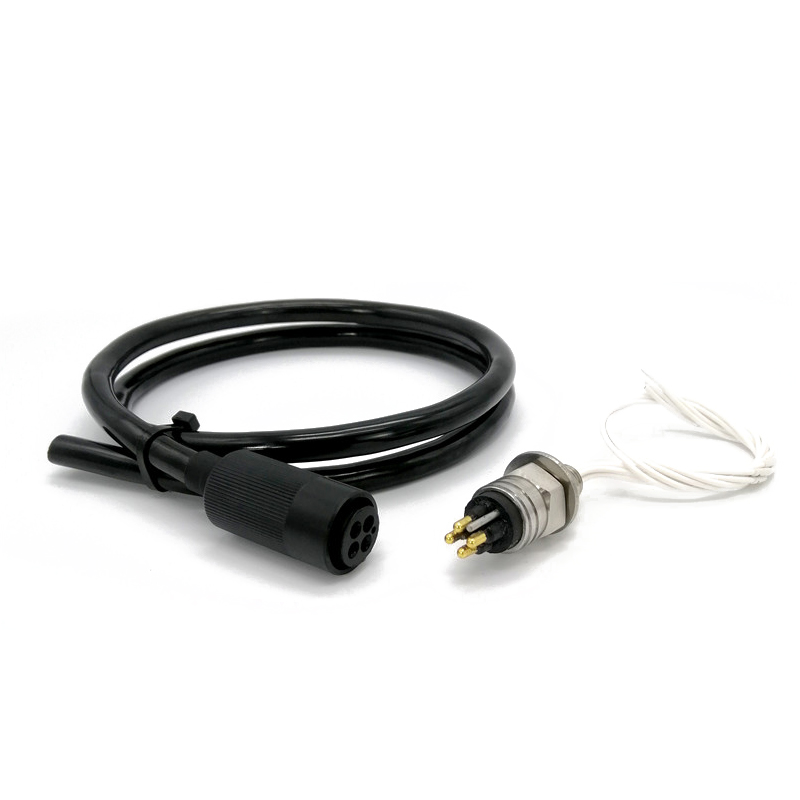
Key Materials and Construction: The Science Behind the Flexibility
The performance of a cold-resistant cable hinges on advanced material science. Manufacturers utilize specialized polymer compounds for insulation and sheathing that possess low glass transition temperatures (Tg), meaning they stay pliable well below freezing.
- Primary Materials: Common formulations include specially plasticized Polyvinyl Chloride (PVC) and Ethylene-Vinyl Acetate (EVA) copolymers. For instance, certain cold-resistant PVC compounds can maintain functionality at temperatures as low as -40°C to -50°C, while also offering high-temperature resistance up to 105°C.
- Construction Features: Beyond material choice, the construction is optimized for low-temperature performance. This includes:
- Fine-stranded Conductors: Use of more flexible, fine-stranded copper to enhance bendability in the cold.
- Specialized Compounding: The plasticizers and stabilizers in the polymer are selected for low-temperature permanence, preventing them from leaching out or causing embrittlement.
- Robust Layering: A design that ensures the insulation and jacket work together to resist thermal contraction, cracking, and physical stress from impact or handling in frozen conditions.
Defining Characteristics and Performance Advantages
Cold-resistant cables are distinguished by a suite of tailored properties that ensure reliability:


