Industrial circular connectors are essential components designed for reliable circuit connections between cables and equipment in electrical and electronic devices. These robust interfaces ensure secure power, signal, and data transmission across various industrial applications, including automation, manufacturing, transportation, and energy systems. Understanding their classifications helps in selecting the right connector for specific operational requirements, environmental conditions, and per
Industrial circular connectors are essential components designed for reliable circuit connections between cables and equipment in electrical and electronic devices. These robust interfaces ensure secure power, signal, and data transmission across various industrial applications, including automation, manufacturing, transportation, and energy systems. Understanding their classifications helps in selecting the right connector for specific operational requirements, environmental conditions, and performance criteria.
Classification by Physical Shape
- Circular Connectors
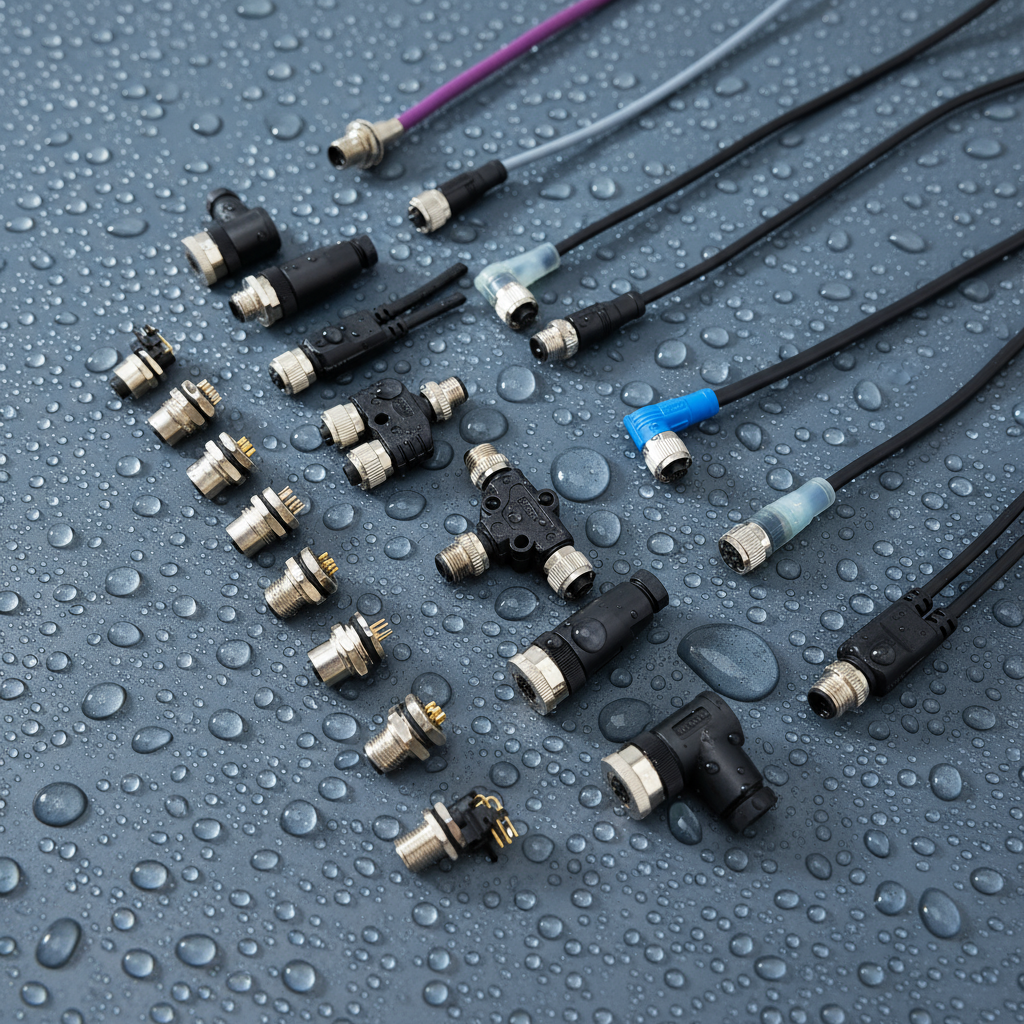
Circular connectors feature a cylindrical shape with a circular mating interface, making them one of the most prevalent types in industrial settings. Their design provides inherent robustness, excellent EMI/RFI shielding, and environmental resistance against dust, moisture, and vibrations. Common applications include sensor connections, power supply interfaces, and fieldbus systems (e.g., PROFIBUS, DeviceNet). The circular form allows for efficient sealing and enables quick bayonet or threaded coupling, which is ideal for harsh environments.
Rectangular (or trapezoidal) connectors offer a high-density contact arrangement within a rectangular mating profile. This shape maximizes panel space utilization, accommodating numerous contacts in a compact footprint. They are frequently used in industrial machinery, control cabinets, robotics, and power distribution units. Their flat interface supports modular configurations and is often preferred for internal equipment wiring and PCB connections where space optimization is critical.
Classification by Operational Application
Engineered to handle high current and voltage levels, power connectors facilitate the transmission of energy within industrial systems. They are built with heavy-duty contacts, robust insulation, and secure locking mechanisms to ensure safe operation under electrical load. Typical applications include motor drives, power supplies, renewable energy systems, and heavy machinery.
Signal connectors transmit low-voltage control signals, analog signals, or sensor data with high integrity and minimal interference. They prioritize signal fidelity, often featuring shielding to prevent crosstalk and electromagnetic interference. These are commonly found in automation control systems, instrumentation, and feedback loop circuits.
Specifically designed for digital communication, data connectors support high-speed data transmission protocols used in industrial networks. They enable connectivity for Ethernet (e.g., RJ45 industrial variants), Fieldbus, serial communication (RS-232, RS-485), and specialized industrial Ethernet protocols. Their design minimizes data loss and latency, which is crucial for real-time control and monitoring.
Classification by Contact Termination Method
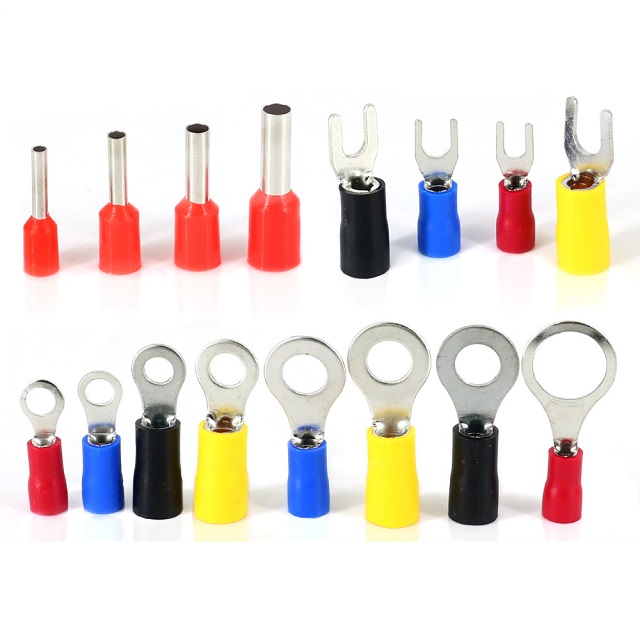
Crimped connections use a specialized tool to compress a metal sleeve around the conductor, creating a gas-tight, reliable mechanical and electrical bond. This method is valued for its consistency, vibration resistance, and suitability for field repairs.
Soldering involves melting a filler metal to form a permanent metallurgical bond between the contact and conductor. It offers excellent electrical conductivity and mechanical strength, making it often used in precision electronics and high-reliability applications.
This technique uses a tightly coiled connection around a square post, primarily found in prototyping or telecommunications due to its reliability and ease of modification, though less common in heavy industry.
- Screw-Terminal Connectors
Screw-fixed connections clamp the conductor under a tightened screw, allowing for tool-assisted installation without specialized crimping tools. They are popular for their flexibility and ease of maintenance in control panels and terminal blocks.
Classification by Mounting and Fixation Method
- Fixed Connectors (Passive)
Fixed connectors, or sockets, are permanently mounted to a panel, chassis, or PCB. They serve as the stationary interface point, often designed to withstand mechanical stress from mating cycles. Proper panel sealing is crucial for ingress protection.
- Free-End Connectors (Active)
Free-end connectors, typically plugs, are attached to cables and mate with fixed connectors. They incorporate locking mechanisms like nuts or levers to ensure secure mating, often featuring strain relief to protect cable terminations.
Classification by Mating and Locking Mechanism
Bayonet-style connectors utilize a pin-and-curved-slot design, allowing quick coupling and decoupling with a partial turn (usually less than a full rotation). This mechanism provides rapid, secure locking that is resistant to vibration, making it ideal for applications requiring connection changes.
Push-pull connectors enable mating by simple axial push action, with an internal latch securing the connection. They allow for fast, tool-free operation in tight spaces and often include visual or tactile confirmation of engagement.
These connectors employ a deflectable latch that snaps into place upon insertion, typically requiring a specific release action for disconnection. They offer a balance of speed and security for moderate-vibration environments.
Threaded connectors use a screw-thread coupling system, requiring rotation to fully mate. This design provides the highest mechanical and environmental security, withstanding extreme vibration and tensile forces. They are standard in hazardous or outdoor applications.
Selection Criteria for Optimal Performance
Choosing the correct industrial connector involves evaluating several factors beyond basic classification:
- Environmental Ratings: IP (Ingress Protection) or NEMA ratings for dust/water resistance, and operating temperature range.
- Electrical Specifications: Current/voltage rating, contact resistance, insulation material, and dielectric strength.
- Mechanical Durability: Mating cycle life, vibration/shock resistance, and cable strain relief requirements.
- Material Composition: Housing materials (e.g., thermoplastic, metal) and contact plating (e.g., gold, tin) for corrosion resistance.
- Industry Compliance: Adherence to standards such as IEC, UL, CSA, or specific industry certifications.
Conclusion
Industrial connectors are fundamental to modern electrical and electronic systems, with their classification providing a structured framework for selection. By understanding the distinctions between circular and rectangular form factors, power/signal/data applications, termination styles, mounting options, and locking mechanisms, engineers and procurement specialists can make informed decisions. The right connector ensures system reliability, safety, and longevity, minimizing downtime in critical industrial operations. As technology evolves, connectors continue to advance in terms of density, data speed, and environmental resilience, adapting to the demands of Industry 4.0 and smart manufacturing environments.
Whether you require robust circular connectors for harsh environments, high-density rectangular solutions, or specialized data and power connectors, we offer reliable, certified products backed by expert technical support. Click on the product links below, or
[contact us] directly to request a quote or a personalized product consultation.
Ruggedized IP67 Circular Power Connectors with Threaded Coupling
Compact Push-Pull Sealed Connectors for Space-Constrained Industrial Equipment


