Automotive connectors are rapidly evolving to meet the specific demands of electric vehicles (EVs) and autonomous driving (AD) technologies, where they play an essential role in maintaining high performance, safety, and data reliability. These connectors are increasingly critical due to the complexities of EV powertrains, high-speed data needs, and safety standards unique to autonomous vehicles. Below are the ways automotive connectors are adapting to support these advancements:
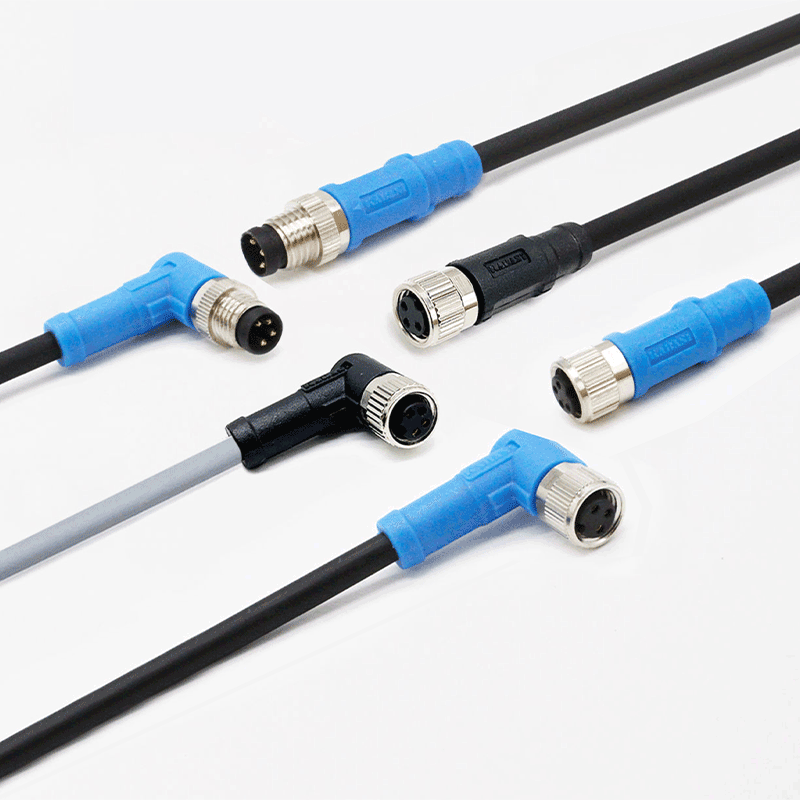
1. High-Voltage and High-Current Handling for EVs
- Increased Power Requirements: EVs operate on high-voltage systems, often ranging from 400V to 800V or higher in performance models. Connectors are being developed to handle these high voltages and currents safely without overheating, which is essential for powering motors, battery packs, inverters, and other components.
- Thermal Management: With higher currents, connectors are more prone to heat buildup, so they now incorporate materials and designs that dissipate heat efficiently. For instance, some connectors use advanced plastics with high thermal stability or metal components to maintain optimal temperatures.
2. Compact and Lightweight Designs
- Space and Weight Efficiency: As vehicle components multiply in both EVs and AD systems, space within the vehicle is at a premium. New connector designs are becoming more compact and lightweight, allowing for tighter packaging and reducing overall vehicle weight, which improves EV range and efficiency.
- Modular Solutions: Many connectors are designed to be modular, supporting easy assembly and integration in constrained spaces. This modularity also allows automakers to replace or upgrade connectors without overhauling entire systems.
3. Environmental Resistance for Reliability
- Waterproofing and Dustproofing: EVs and AD vehicles may face harsh environments, and connectors must meet high ingress protection standards (IP67 or higher) to be dust- and waterproof, preventing potential short circuits and corrosion. Connectors in these vehicles are often resistant to extreme temperatures and exposure to chemicals commonly encountered on the road.
- Vibration and Shock Resistance: Autonomous driving and EV powertrains require connectors that can withstand significant vibrations and shocks from both engine movement and road conditions. Specialized locking mechanisms and rugged housings protect these connectors from disconnecting or damage, ensuring reliable connections under all driving conditions.
4. Enhanced Safety Features
- High-Voltage Interlock Loops (HVIL): HVIL is a safety feature integrated into many high-voltage connectors, which prevents the vehicle's high-voltage system from energizing if a connector is not fully engaged. This safety loop helps protect technicians and vehicle occupants from electrical hazards.
- Touch-Safe and Sealed Designs: New connector designs minimize exposed conductive elements, reducing the risk of accidental contact with high-voltage components. These connectors are often “touch-safe,” preventing electrical hazards during maintenance.
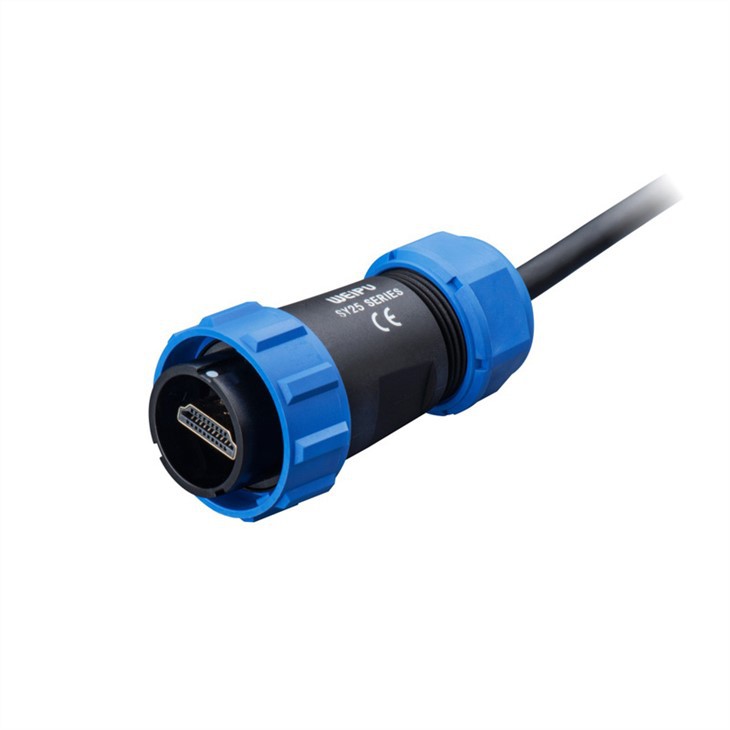
5. High-Speed Data Transfer and Signal Integrity for AD Systems
- Data and Signal Integrity: Autonomous vehicles use a range of sensors, including LiDAR, radar, cameras, and GPS, which generate large amounts of data that need to be processed in real-time. Connectors must support high-speed data transmission protocols (e.g., Ethernet, CAN, FlexRay) with minimal signal interference.
- EMI and RFI Shielding: Connectors now include shielding materials to prevent electromagnetic and radio frequency interference, critical for maintaining data accuracy and preventing interference between various electronic systems in autonomous driving.
6. Enhanced Diagnostics and Predictive Maintenance
- Sensor-Integrated Connectors: Many new connectors have built-in sensors to monitor parameters like temperature, humidity, and electrical resistance. These sensors enable predictive maintenance by alerting technicians to any potential issues before they cause failures, enhancing reliability and reducing unexpected downtime.
- Diagnostics for Real-Time Monitoring: EV and AD systems benefit from connectors that can provide real-time diagnostic data to the vehicle’s control unit, allowing for immediate adjustments or safety interventions when anomalies are detected.
7. Automated Assembly and Standardization
- Compatibility with Robotic Assembly: As vehicle production shifts towards automation, connectors are being designed for robotic assembly, enabling faster, more precise installations with minimal human intervention. This not only reduces costs but also enhances reliability by ensuring consistent assembly quality.
- Standardization for Cross-Platform Use: Industry standards, like those from the Automotive Electronics Council (AEC), guide connector designs, enabling compatibility across different vehicle platforms and models. This interoperability is beneficial as EV and AD manufacturers aim to scale production.
8. Sustainability and End-of-Life Considerations
- Recyclable Materials: With a growing focus on sustainability, many new connectors are manufactured using recyclable or eco-friendly materials. These materials ensure connectors can be responsibly disposed of or recycled at the end of their lifecycle.
- Design for Disassembly: Connectors are increasingly designed to be easily removed and recycled, aligning with circular economy principles. This approach helps manufacturers meet regulatory and environmental requirements while reducing waste.
Conclusion
Automotive connectors are adapting to the demands of electric and autonomous vehicles by incorporating high-power capabilities, compact and modular designs, environmental resilience, and enhanced safety and data-handling features. These advancements are crucial as the industry shifts towards cleaner and more intelligent transportation solutions, supporting the efficient, safe, and sustainable integration of EV and AD systems.

