Recent innovations in waterproof and dustproof connector designs are enhancing their durability, reliability, and longevity in harsh industrial environments. Industries like mining, automotive, aerospace, and marine require connectors that can withstand extreme conditions, such as exposure to water, dust, temperature fluctuations, and physical shocks. Here’s a look at the latest advancements:
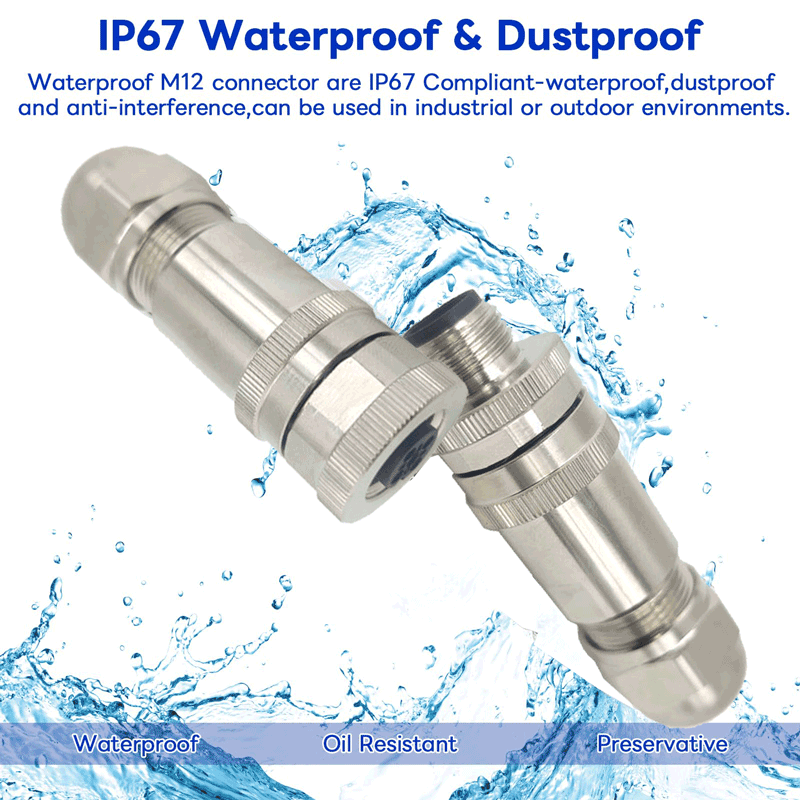
1. Advanced Sealing Technologies
- IP69K-Rated Connectors: The IP69K rating is the highest level of ingress protection, offering complete dust and water resistance, even in high-pressure, high-temperature wash-down environments. These connectors are commonly used in industries requiring frequent sanitization or exposed to high-pressure environments, such as food processing and heavy equipment.
- Improved O-Rings and Gaskets: Modern connectors use high-durability, double-sealed O-rings and gaskets made from materials like silicone, EPDM, and Viton. These materials resist degradation from exposure to oils, chemicals, and UV light, ensuring lasting water and dust resistance even in corrosive environments.
2. Overmolded and Encapsulated Designs
- Overmolded Connectors: Overmolding is a process where connectors are encased in a protective layer of plastic or rubber. This fully seals the connector against moisture and dust ingress, providing a durable, one-piece solution with excellent resistance to shocks and vibrations. Overmolded connectors are popular in industries like construction and marine, where connectors are frequently exposed to water and physical stress.
- Potting and Encapsulation: Potting, the process of filling the connector housing with protective resin, creates a fully sealed environment that prevents water and dust from entering. This technique is especially useful in high-voltage or high-power applications, such as industrial automation and electric vehicle charging systems, where even minimal exposure to moisture or dust can cause significant issues.
3. Innovative Locking Mechanisms
- Push-Pull and Bayonet Locking: Push-pull and bayonet locking mechanisms are designed to form a tight seal and provide secure connections in environments with frequent vibrations or movement. Unlike traditional threaded connectors, these mechanisms reduce the chance of accidental disconnection or loosened connections, making them ideal for heavy-duty applications like mining and transportation.
- Quick-Disconnect Seals: Quick-disconnect connectors with integrated seals allow for easy maintenance while maintaining high waterproof and dustproof standards. These connectors offer reliable protection and fast serviceability, which is particularly valuable in industries like aerospace, where components must be inspected and replaced efficiently without compromising protection.
4. Use of High-Performance Materials
- Corrosion-Resistant Alloys and Coatings: Modern waterproof and dustproof connectors often use corrosion-resistant alloys, such as stainless steel or titanium, and protective coatings like nickel or zinc to withstand harsh environmental conditions. In marine applications, connectors made from saltwater-resistant materials prevent rusting and prolong connector life.
- High-Temperature Resins and Plastics: Connectors in industrial environments are increasingly made from advanced plastics and resins that are resistant to extreme temperatures, both hot and cold. These materials, such as polyether ether ketone (PEEK) and thermoplastic elastomers (TPE), resist cracking, brittleness, and other forms of wear caused by temperature fluctuations.
5. Nano-Coatings and Conformal Coatings
- Hydrophobic and Oleophobic Nano-Coatings: New hydrophobic (water-repelling) and oleophobic (oil-repelling) nano-coatings add an additional layer of protection to connector surfaces. These coatings prevent moisture, dust, and oils from adhering to connectors, which is highly beneficial in oil and gas industries and other environments with airborne contaminants.
- Conformal Coatings for Circuit Protection: Connectors with internal circuit boards or sensors can benefit from conformal coatings, which are thin, protective layers applied to electronic components. Conformal coatings protect against moisture, dust, and chemical exposure, making these connectors highly reliable for precision applications in aerospace and medical devices.
6. Self-Healing and Self-Cleaning Materials
- Self-Healing Polymers: Self-healing materials are a recent advancement, especially beneficial for waterproof connectors exposed to rough handling. These polymers can repair small cracks or abrasions in the connector housing, maintaining waterproof integrity even after minor physical damage.
- Self-Cleaning Coatings: Some connectors now incorporate self-cleaning surfaces, which repel dust and other particles. For instance, dirt or dust buildup on connector contacts in construction equipment can disrupt performance, but self-cleaning materials ensure that contacts remain clear without manual cleaning, improving longevity.
7. Integrated Sensor Technology for Condition Monitoring
- Embedded Sensors for Predictive Maintenance: Waterproof and dustproof connectors with embedded sensors can monitor their own temperature, moisture levels, and environmental exposure. This data can be transmitted to a central system, alerting operators if the connector is nearing its operational limits. Such real-time monitoring is valuable in remote industrial sites, such as offshore oil rigs, where connector failure can lead to costly downtimes.
- Moisture Detection Sensors: Connectors with internal moisture sensors can detect leaks before they reach a critical level, providing early warnings and allowing preventative measures. This technology is highly beneficial for applications like outdoor telecom infrastructure, where weather conditions can pose ongoing risks to equipment.
8. Modular and Customizable Designs
- Custom Sealing Options: Many connectors now come with customizable sealing options, allowing them to be tailored for specific environmental conditions. This modular approach lets users choose the best configuration for their application, which is particularly useful in industries with varying water and dust exposure, such as agriculture and renewable energy.
- Field-Replaceable Seals and Components: Modular designs enable users to replace seals, housings, or other parts without having to replace the entire connector. This reduces waste and ensures that connectors remain durable and adaptable even as conditions change or wear occurs over time.
Conclusion
These innovations in waterproof and dustproof connectors significantly enhance durability, functionality, and reliability across demanding industrial applications. By integrating advanced sealing, robust materials, innovative coatings, and self-monitoring capabilities, modern connectors are better suited to withstand the challenges of extreme environments, supporting stable performance and reducing maintenance requirements in critical applications.


