Selecting the appropriate underwater connector is essential for maintaining reliable connections in submerged environments. This comprehensive guide outlines the key considerations to help you choose the right underwater connector for your needs.
Selecting the appropriate underwater connector is essential for maintaining reliable connections in submerged environments. This comprehensive guide outlines the key considerations to help you choose the right underwater connector for your needs.
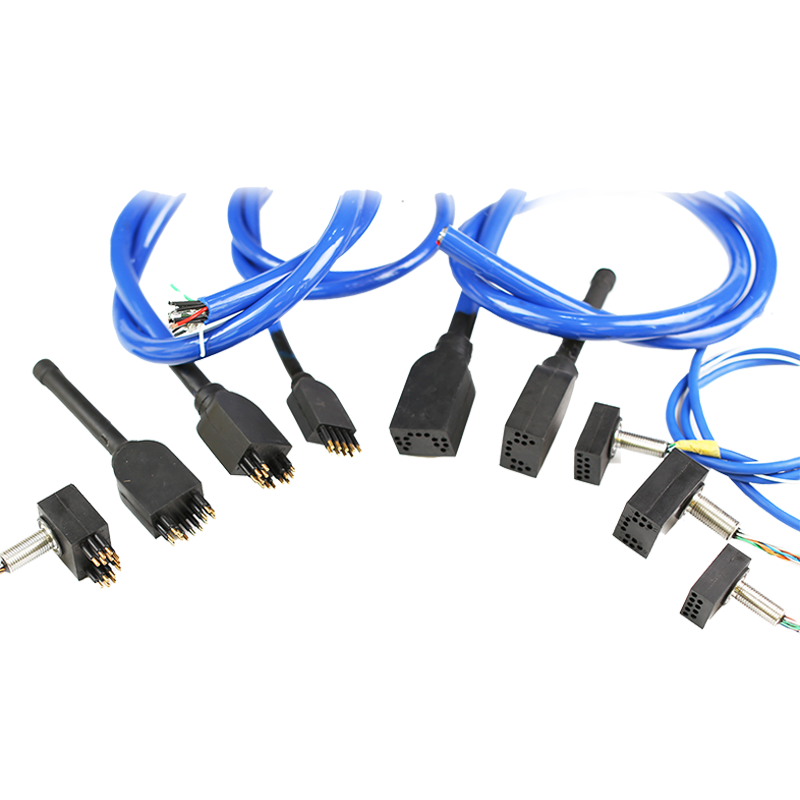 1. Determine Environmental Conditions
Understanding the specific environmental conditions is the first step in selecting the right underwater connector.
Depth and Pressure: Consider the maximum depth and corresponding pressure the connector will need to withstand.
Temperature: Account for the temperature range of the operating environment.
Corrosive Elements: Identify any corrosive substances in the water that may impact the connector materials.
2. Identify Connection Needs
Different applications require different types of connections.
Wet-Mate vs. Dry-Mate: Wet-mate connectors can be connected and disconnected underwater, while dry-mate connectors are connected on the surface before submersion.
Frequency of Connection: Determine how often the connectors will need to be connected and disconnected.
3. Electrical and Data Specifications
Evaluate the electrical and data requirements of your application.
Power Specifications: Ensure the connector can handle the voltage and current required by your devices.
Data Transmission Needs: For applications requiring data transfer, consider the necessary bandwidth and speed. Fiber optic connectors may be suitable for high-speed data transmission.
4. Material Considerations
Choose materials that will provide the necessary durability and resistance to environmental conditions.
Metals: Stainless steel and titanium offer excellent corrosion resistance and strength.
Plastics: Engineered plastics are lightweight and corrosion-resistant, suitable for less extreme conditions.
5. Sealing and Pressure Capabilities
Ensure the connector has proper sealing and can withstand the operating pressure.
Sealing Mechanisms: Look for connectors with effective sealing technologies like O-rings and gaskets to prevent water ingress.
Pressure Ratings: Verify the connector’s pressure rating to ensure it can handle the expected depth.
6. Mechanical Properties
Consider the mechanical properties required for your application.
Durability: Choose connectors designed to withstand mechanical stresses such as vibrations, impacts, and tensile forces.
Flexibility: Ensure the connectors have the flexibility needed for your specific application.
7. Installation and Maintenance
Consider the ease of installation and ongoing maintenance.
Ease of Use: Select connectors that are easy to install and maintain, reducing downtime and labor costs.
Accessibility: Ensure the connectors are easily accessible for routine maintenance and inspections.
8. Cost and Supply Considerations
Balance cost with the required performance and availability.
Budget Constraints: Choose connectors that offer the best balance between cost and required performance.
Supplier Reliability: Ensure the connectors are readily available from reliable suppliers to avoid project delays.
Examples of Use Cases
Oceanographic Research: Wet-mate connectors for sensor deployment and data collection.
Subsea Energy: Dry-mate connectors for permanent installations in offshore oil and gas operations.
Marine Robotics: Hybrid connectors for ROVs and AUVs requiring multiple connection types.
By carefully assessing these factors, you can choose the right underwater connector that meets the specific needs of your application, ensuring reliable and efficient performance in underwater environments.
 1. Determine Environmental Conditions
