Underwater connectors play a critical role in various marine and underwater applications by providing secure and efficient electrical and data connections. This guide details the different types of underwater connectors and their common applications.
Underwater connectors play a critical role in various marine and underwater applications by providing secure and efficient electrical and data connections. This guide details the different types of underwater connectors and their common applications.
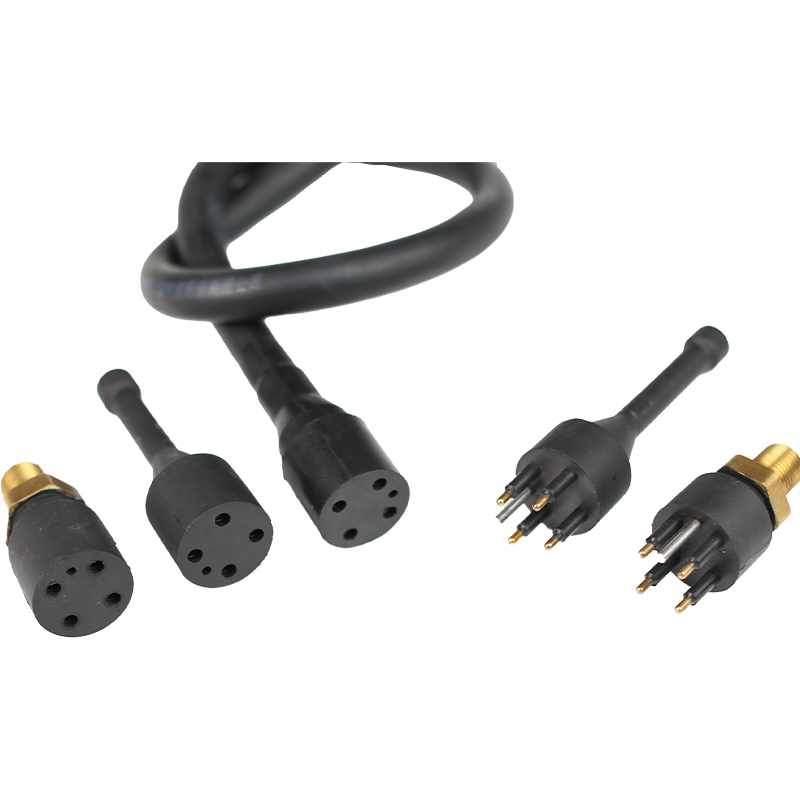 1. Wet-Mate Connectors
Wet-mate connectors are designed to be connected and disconnected underwater, making them ideal for applications requiring frequent connection and disconnection.
Characteristics:
Feature advanced sealing technologies to prevent water ingress during connection.
Can be operated by divers or remotely operated vehicles (ROVs).
Common Uses:
Subsea cameras
Underwater lighting systems
Marine research instruments
2. Dry-Mate Connectors
Dry-mate connectors need to be connected in a dry environment before submersion. They are suited for long-term, stable connections.
Characteristics:
Provide a secure and watertight seal once connected.
Generally more durable and reliable for permanent connections.
Common Uses:
Offshore oil and gas infrastructure
Subsea power distribution
Permanent marine sensor installations
3. Hybrid Connectors
Hybrid connectors offer a combination of electrical, optical, and fluidic connections within a single unit, enhancing functionality and reducing the need for multiple connectors.
Characteristics:
Enable simultaneous transmission of power, data, and fluids.
Simplify system design and maintenance.
Common Uses:
Underwater robots and ROVs
Integrated subsea control systems
Offshore wind farms
4. Fiber Optic Connectors
Fiber optic connectors are designed for high-speed data communication in underwater environments, ensuring reliable long-distance transmission.
Characteristics:
Provide high bandwidth and fast data transfer rates.
Resistant to electromagnetic interference.
Common Uses:
Subsea communication lines
Oceanographic data collection
Underwater monitoring systems
5. Power Connectors
Power connectors are used to deliver electrical power to underwater devices, essential for the functioning of various submerged systems.
Characteristics:
Capable of handling high electrical loads.
Built to withstand the harsh underwater environment.
Common Uses:
Subsea motors and pumps
Underwater lighting
Offshore drilling equipment
6. Signal Connectors
Signal connectors are specialized for transmitting low-voltage signals, ensuring precise and reliable communication between underwater devices.
Characteristics:
High-quality contacts for maintaining signal integrity.
Shielding to prevent signal disruption.
Common Uses:
Underwater sensors
Marine data collection systems
Environmental monitoring instruments
By understanding the various types of underwater connectors and their unique features, you can make informed decisions when selecting connectors for your specific application, ensuring reliable and effective performance in submerged conditions.
 1. Wet-Mate Connectors
