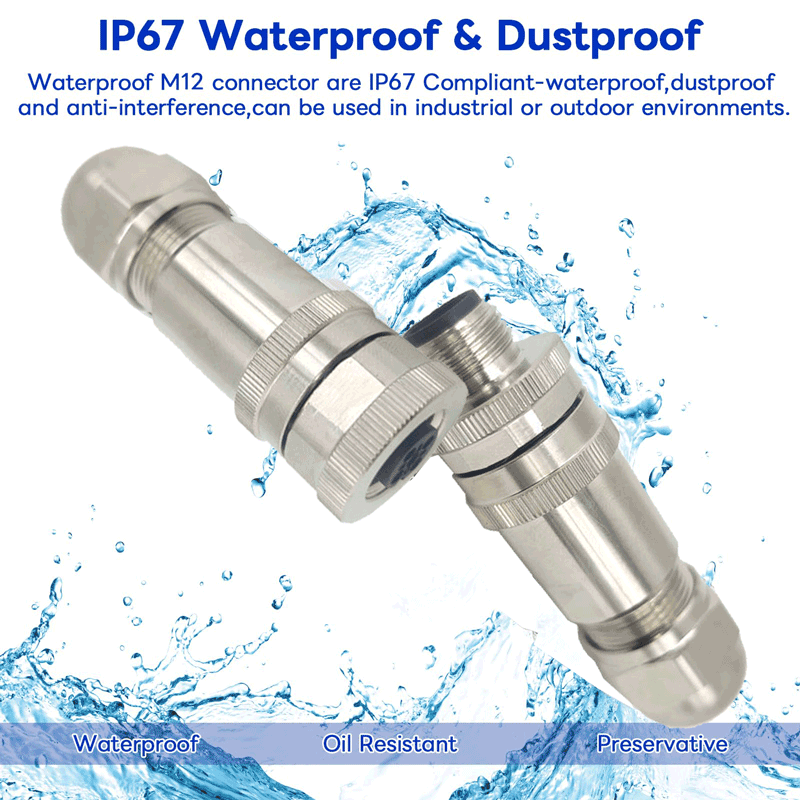
Introducing methods to improve the salt spray test performance of metal connectors
The salt spray test is used to evaluate the ability of metal accessories and terminal plating to resist salt spray corrosion, as well as the electrochemical corrosion that may occur on the surface treatment layer of its metal structural parts and contact parts when working in an environment containing moisture and salt.
The salt spray test of metal connectors is generally 24H\48H\72H\96H and higher standards. The results of the salt spray test are affected by two factors: raw materials and plating. Therefore, the following measures can be taken to improve the results of the salt spray test based on these two factors:
1. Raw materials:
In addition to brass, the materials of metal connectors needles and other parts can be made of stainless steel or alloys with strong corrosion resistance as raw materials. These materials show good corrosion resistance in salt spray tests.
2. Plating:
The surface electroplating layer of metal connectors needles and other parts can be thickened or multi-layered to improve the results of the salt spray test. These measures can enhance the corrosion resistance of the product and increase the service life of the product.
Tin-plated products have an oxide film on their surface, and their main failure mechanism is fretting corrosion after mating. In this case, the salt spray test has nothing to do with its failure mechanism. Even if the oxide layer on the surface turns black after the salt spray test, in actual use, the mating terminals can still easily push off this oxide film and contact with the pure tin inside to form a metallic connection.
Summary
The use of appropriate raw materials and plating design is the key to improving the results of salt zero tests. Through the above measures, the salt spray test resistance performance of the metal connector can be effectively improved to ensure its reliability and stability in harsh environments. It is recommended to screen and design materials and coatings before conducting salt spray tests to ensure the reliability of the test results and improve its salt spray resistance performance.