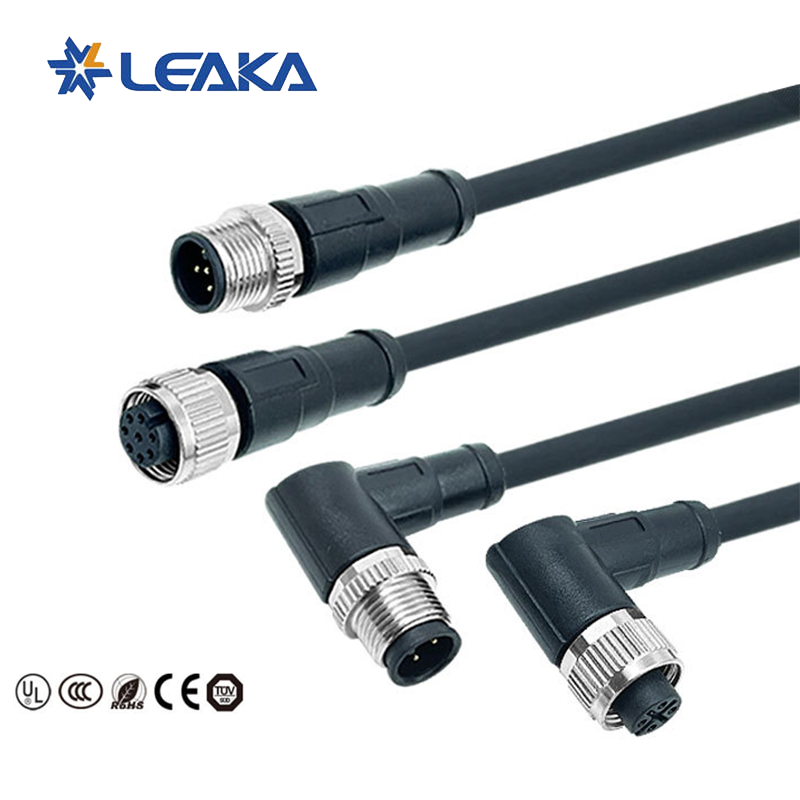
Introduction of YL connector
YL connector is a cable connector with a protective cover, also known as Y-type connector. It is usually used to connect two cables and provide protection and durability for the cables. YL connectors are widely used and are more common in home appliances, computer peripherals, automobiles and other fields.
The construction of the YL connector mainly consists of two parts: a shell-shaped shell with a hole and an internal connector with a plug. The connector is usually made of plastic material and has a heat-resistant and chemical-resistant protective cover. The internal connector can be inserted into the shell and tightly connected together to ensure a stable and reliable electrical connection between the cables.
YL connector wiring method
1. Prepare tools and materials:
In addition to the YL connector, you also need tools such as stripping pliers, insulating sleeves, wire strippers, and the wires that need to be connected.
2. Strip the insulation layer of the wires:
Use stripping pliers to remove the wires that need to be connected. The insulation peels off the ends, exposing the length of wire that needs to be connected.
3. Insert the wires:
Insert the wires that need to be connected into the jacks of the internal connector of the YL connector respectively, making sure that each wire is in the correct position.
4. Install insulating sleeves:
Use insulating sleeves to insulate the wiring to avoid short circuit or accidental contact of wires. The length of the casing should just cover the wiring location to ensure safety reliable.
5. Test the connection:
After completing the wiring, use a multimeter and other tools to test to ensure that the connection between the wires is good and check whether the connector is firmly installed. It should be noted that before wiring, make sure the electrical equipment is powered off to avoid safety accidents. At the same time, wiring should be performed according to the model and specification of the connector to avoid installation errors causing malfunctions.