To ensure that a crimped connection is qualified, several testing methods can be employed:

1. Visual Inspection: This is the initial and most basic method to check for the quality of a crimped connection. It involves checking the crimped area for any visible defects such as improper wire insertion, damage to the insulation, or misalignment of the terminal and wire.
2. Crimp Height and Width Measurement: Using a micrometer or a caliper, measure the crimp height and width to ensure they fall within the manufacturer's specifications. These measurements are critical for verifying that the connection is both mechanically and electrically sound.
3. Pull Test (Tension Test): This test determines the mechanical strength of the crimped connection. A calibrated pull tester is used to exert force on the wire to check if the terminal will separate from the wire. The pull force required to break the connection should meet or exceed the manufacturer's specifications.
4. Electrical Continuity Test: This test checks for electrical conductivity across the crimped connection. A multimeter or continuity tester can be used to ensure that there is a continuous electrical path from the wire to the terminal.
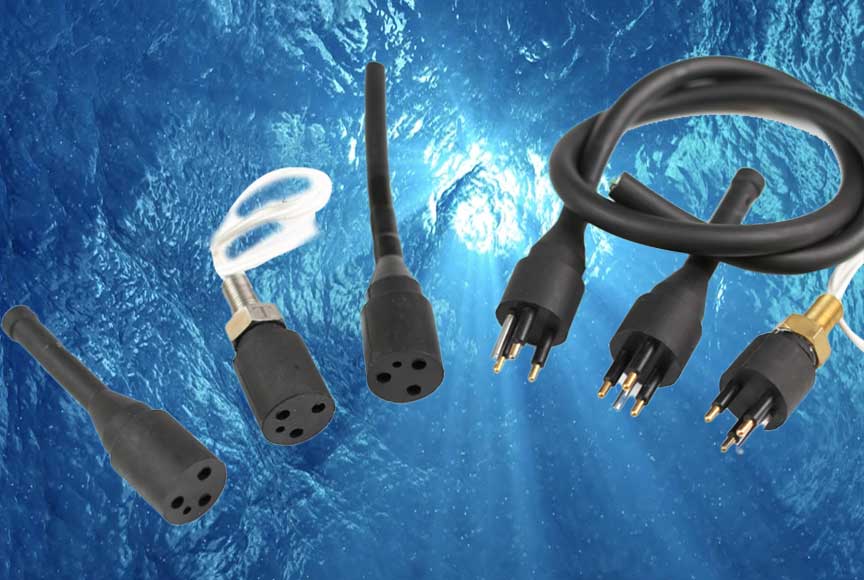
5. Insulation Resistance Test: This test measures the effectiveness of the insulation around the crimped connection. A high insulation resistance value indicates good insulation quality.
6. Cross-sectional Analysis (Micrograph): This involves cutting the crimped connection, mounting it in a suitable medium, and then polishing the cut surface to a mirror finish. The cross-section is then examined under a microscope to check for proper wire insertion, crimp fill, and absence of voids or inclusions.
7. Environmental Testing: This assesses the crimped connection's ability to withstand environmental factors such as temperature, humidity, and chemicals. Tests like thermal shock, salt spray, and vibration tests can reveal potential weaknesses in the connection.
8. Voltage Drop Test: This test measures the voltage drop across the crimped connection, which can indicate high resistance and potential issues with the connection.
By conducting these tests, you can ensure that the crimped connections are of high quality, mechanically secure, and electrically reliable. It's important to follow the guidelines provided by the terminal and crimping tool manufacturers and to use the correct tools and equipment for testing.


