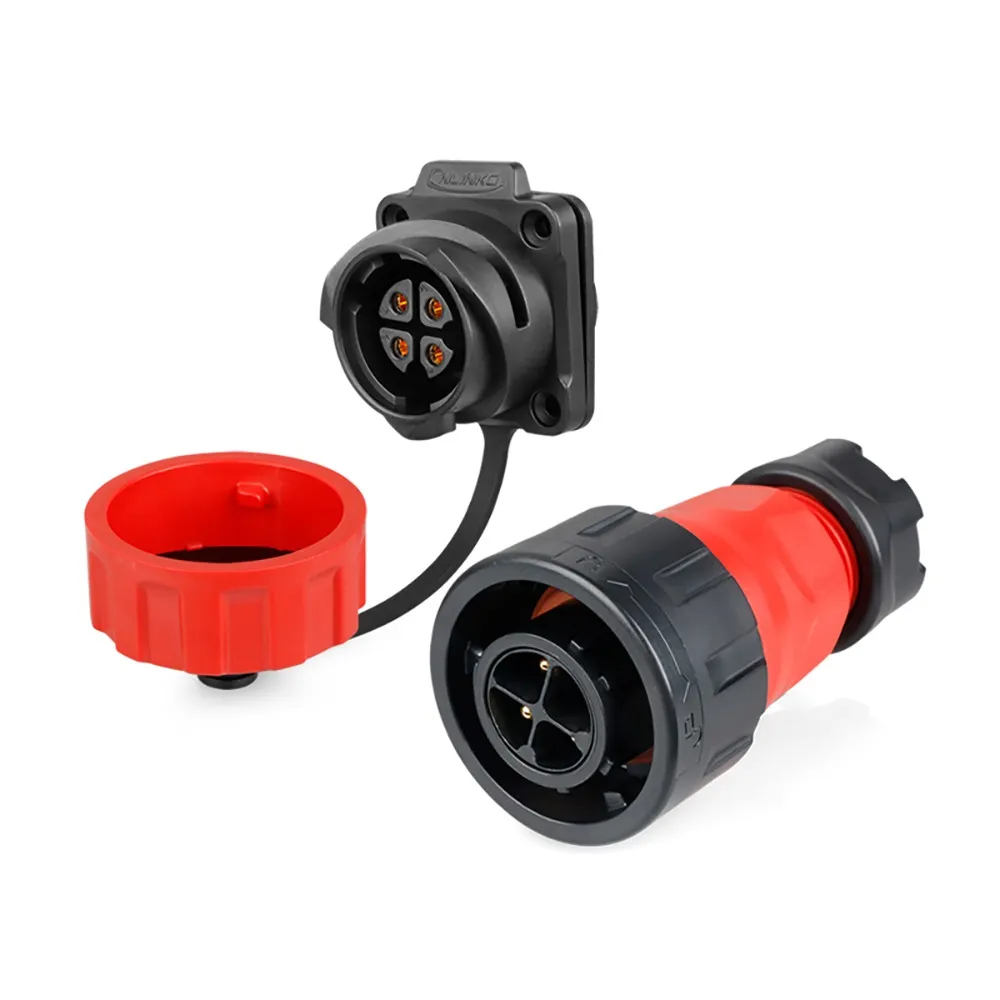
A failure in a high-power electrical system is not just an inconvenience—it can be a serious hazard. High-quality connectors are engineered specifically to mitigate these risks.
In the world of electric motorcycles and scooters, performance often steals the spotlight. But beneath the sleek design lies a network of critical components where safety and reliability are paramount: the electrical connectors. These are not mere passive links; they are active guardians of your vehicle's integrity. Choosing and maintaining the right connectors is a direct investment in preventing failures, ensuring safety, and guaranteeing long-term reliability.
A failure in a high-power electrical system is not just an inconvenience—it can be a serious hazard. High-quality connectors are engineered specifically to mitigate these risks.
The Primary Safety Functions of High-Quality Connectors
- Overheating Prevention: As the main point of current transfer, connectors must handle sustained high loads. Inferior connectors with high contact resistance will overheat, potentially melting insulation, damaging nearby components, or in extreme cases, initiating a thermal runaway or fire. Quality connectors use materials with excellent conductivity and thermal properties to manage heat.
- Short-Circuit Protection: The high-voltage battery pack in an EV stores immense energy. Connectors must have secure physical locking mechanisms (like IP-rated screw locks or latches) to prevent accidental disconnection. A loose high-voltage connector can cause arcing—a dangerous electrical spark that can lead to shorts, system damage, or fire.
- Environmental Sealing: Electric two-wheelers face rain, dust, and road spray. Connectors, especially charging ports, must have high Ingress Protection (IP) ratings (e.g., IP65, IP67). This sealing prevents moisture and contaminants from causing corrosion, short circuits, or ground faults, which are major causes of electrical failure.
How Connector Reliability Impacts Your Ride
Reliability means your bike works every time, without fault. Connectors are fundamental to this.
- Vibration Resistance: Motorcycles naturally vibrate. Automotive-grade connectors are designed with locking clips and seals that withstand constant vibration, preventing loosening that leads to intermittent power loss or complete shutdown while riding.
- Durability & Longevity: The charging port undergoes constant plug/unplug cycles. High-quality connectors are rated for thousands of mating cycles without degradation in performance. A worn-out port can lead to unreliable charging, leaving you stranded.
- System Integrity: A single faulty connector can cause erroneous signals to the Battery Management System (BMS) or controller, triggering false error codes, reducing power ("limp mode"), or shutting down the vehicle entirely.
Choosing and Maintaining for Safety
- OEM Matters: Always use Original Equipment Manufacturer (OEM) charging cables and ports recommended for your bike. They are specifically engineered to match the vehicle's safety and electrical specifications.
- Inspect Regularly: Make a habit of checking the condition of your main charging port. Look for cracked housings, bent pins, or signs of heat stress (discoloration or melting).
- Professional Service: Internal high-voltage connectors should only be serviced by qualified technicians. Tampering without proper knowledge and tools is extremely dangerous.
Investing in quality connectors and proper maintenance is not about adding features—it's about ensuring the fundamental safety and dependability of your electric vehicle. It’s the peace of mind that allows you to enjoy the ride fully.
Have you considered connector safety as part of your EV's maintenance routine? What steps do you take to ensure reliable operation?
Contact us for more information!