The shell material of the connector jack can vary depending on the manufacturer, connector type and specific application. Different types of connectors may be designed with different materials to meet their performance, durability and environmental adaptability requirements.
In addition, the specific shell material depends on the environmental conditions that the connector faces during use, such as temperature, humidity, chemical exposure, etc. When selecting a connector, these factors usually need to be considered to ensure the performance and reliability of the connector.
The following are some common connector jack shell materials
1. Metal:
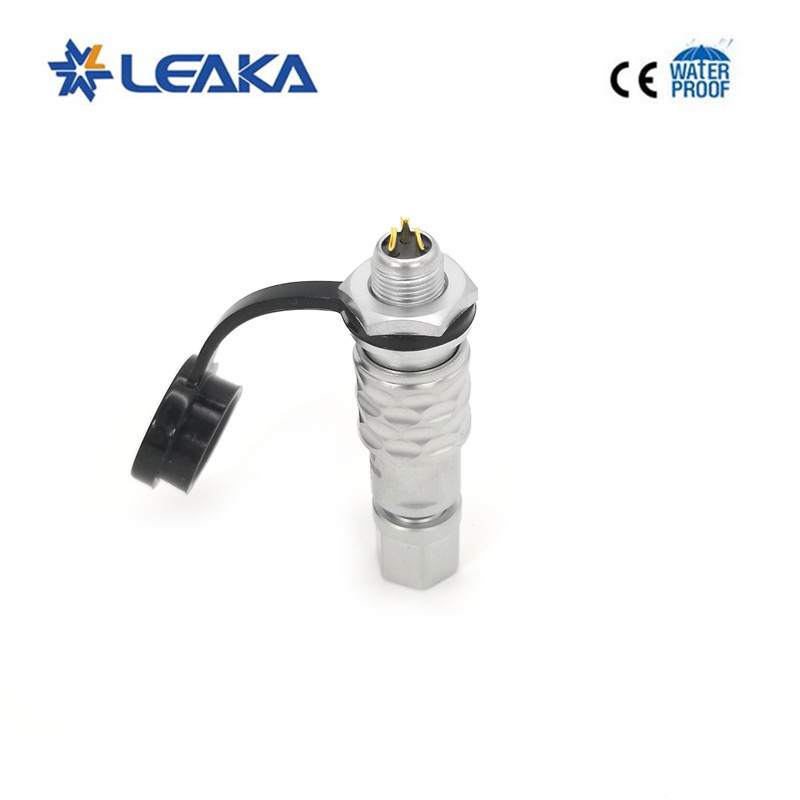
Metals such as aluminum, nickel, zinc alloy, and stainless steel are often used in connector jack shells. Metal shells usually provide good mechanical strength and protection performance, and are suitable for some environments that require high durability and anti-interference performance, such as industrial and military applications.
2. Plastic: Plastic materials such as polymers, nylon, polyamide, and polycarbonate are widely used in connector jack shells. Plastic shells are usually lightweight and insulating, suitable for many consumer electronics and general industrial applications.
3. Thermoplastic elastomer (TPE):
This is a material with good elasticity and is often used in connector shells to improve the flexibility and durability of the shell.
4. Stainless steel:
Stainless steel is corrosion-resistant and wear-resistant, so it is often used in environments that require corrosion resistance, such as marine applications or special industrial environments.
5. Silicone:
Silicone materials have good high temperature resistance and softness, so they are often used in some connectors that require high temperature resistance and sealing performance.
6. Ceramic:
For some applications with high temperature, high frequency, and special environmental requirements, ceramic shells may be selected because of their high temperature stability, corrosion resistance, and mechanical strength.
7. Glass fiber reinforced plastic:
This material combines the lightness of plastic and the strength of glass fiber, and is usually used in some connectors with high mechanical properties and light weight requirements.
8. Composite materials:
Some connectors may use a composite structure of multiple materials to take into account various performance requirements.


