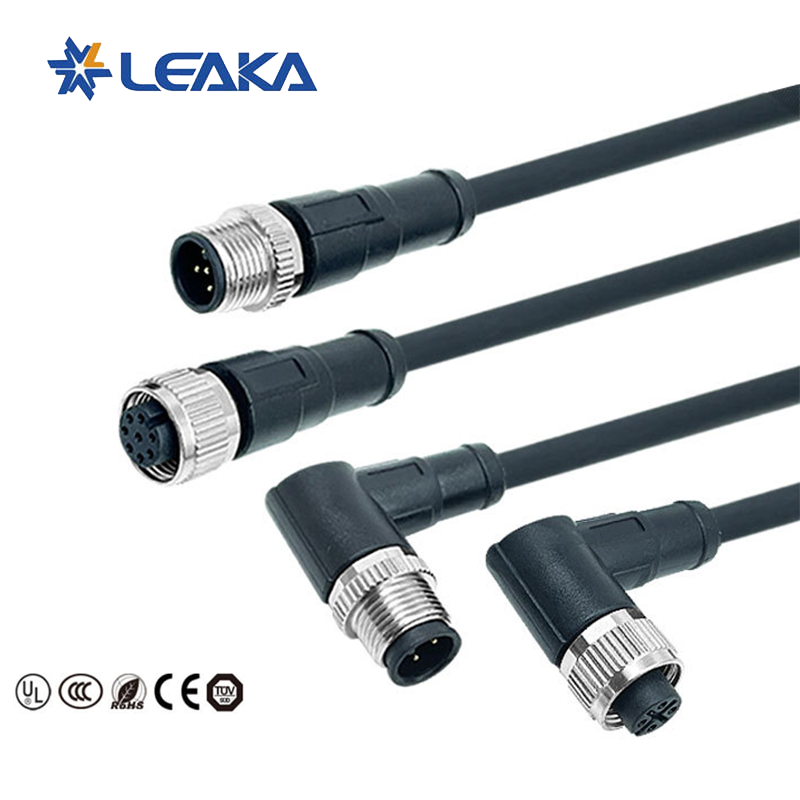
New energy vehicle wiring harness is a core component of the automotive electrical system, especially widely used in electric vehicles and hybrid vehicles. New energy vehicle wiring harness is composed of a group of wires, cables, connectors and other electrical components. It plays an important role in connecting and transmitting power, data and control signals, supporting the stable operation and excellent performance of new energy vehicles. New energy vehicle wiring harness can be classified according to its function and connection method in the vehicle.
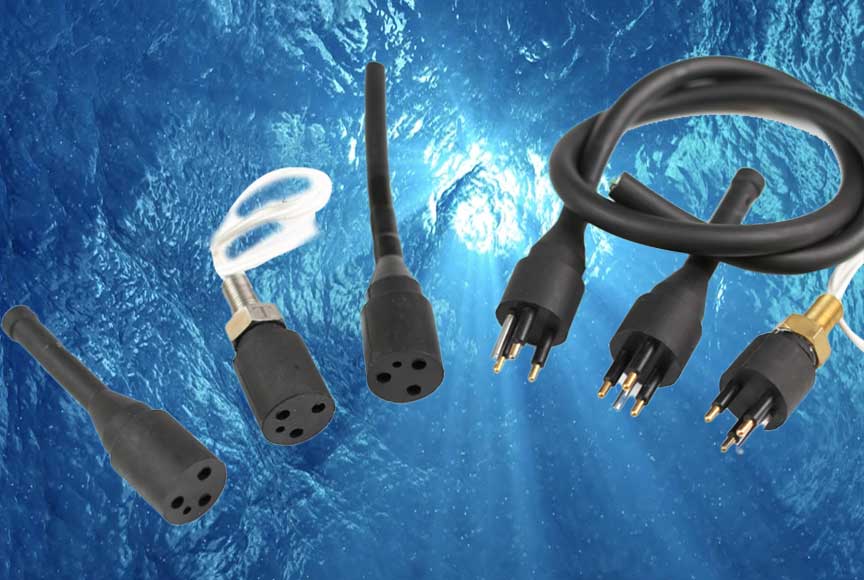
The following are some common classification methods for new energy vehicle wiring harness:
- Power harness: used to transmit high-voltage power, connecting power system components such as battery packs, motors (or motors), and electronic control units (ECUs). Power harnesses usually include high-voltage cables, battery connection wires, motor connection wires, etc., which carry the power transmission task of electric vehicles.
- Signal harness: used to transmit data, communication signals and control signals, and used to connect various sensors, ECUs, display screens, on-board communication systems, etc. These signals are used to monitor and control information such as battery status, motor performance, and charging status.
- Sensor harness: specially used to connect various sensors, such as temperature sensors, speed sensors, position sensors, etc., to monitor the status of the vehicle and provide feedback to the control system. Sensor harnesses usually include lighter wires and connectors.
- Charging harness: For electric vehicles, the charging harness is used to connect the charging plug, charging controller and battery charging interface. They undertake the charging task of electric vehicles.
- Auxiliary harness: Generally used to connect other vehicle systems, such as air conditioning system, audio system, lighting system, etc. Auxiliary harness includes circuit connections inside and outside the vehicle.
- High-voltage harness and low-voltage harness: According to the voltage level, the harness can be divided into high-voltage and low-voltage harness. High-voltage harness is mainly used to transmit high voltage (usually battery voltage), while low-voltage harness is used to transmit lower voltage signals and power.
- Front harness and rear harness: According to its position in the vehicle, the harness can be divided into front harness and rear harness. The front harness usually connects the front electrical and control system, and the rear harness connects the rear electrical and control system, such as motors, battery packs, etc.
- Modular harness: Some new energy vehicle harnesses adopt modular design, so that different harnesses can be manufactured and installed independently. This design simplifies the manufacturing process and maintenance.