General wire bundling in electronics, automotive, and industrial equipment.
Temporary or semi-permanent fastening in control panels.
Low cost and easy to install.
Reusable (with releasable variants).
Lightweight and available in various lengths/strengths.
4) Cons:
Over-tightening can damage wires.
Not vibration-proof (may loosen over time).
UV degradation (unless specially treated).
5) Best For:
Non-critical, low-vibration environments where quick bundling is needed.
Adhesive Tapes (Hook-and-Loop, Foam, or PVC Tape)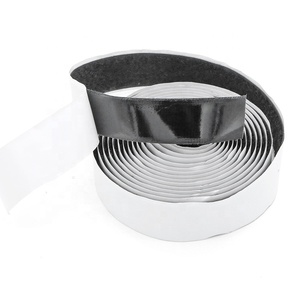
1) Material:
Velcro (hook-and-loop), foam-backed acrylic, or PVC.
2) Applications:
Securing wire harnesses in automotive interiors.
Temporary bundling in prototyping.
3) Pros:
Adjustable (especially hook-and-loop).
Vibration-resistant (foam tapes absorb shocks).
No sharp edges, reducing wire abrasion.
4) Cons:
Adhesive failure in high heat (>80°C).
Dust accumulation (hook-and-loop).
Not waterproof unless specially coated.
5) Best For:
Consumer electronics, automotive interiors, and applications requiring frequent rework.
Conduits & Sleeving (Braided, Spiral, or Corrugated)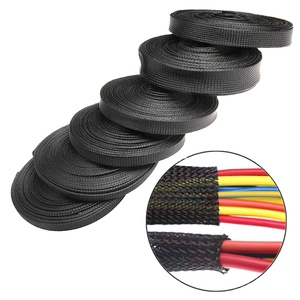
1) Material:
PET, nylon, or stainless steel (braided).
2) Applications:
Protecting wires in industrial machinery, aerospace, and robotics.
High-flex applications (e.g., robotic arms).
3) Pros:
Excellent abrasion & EMI resistance (metal braiding).
Flexible yet durable (spiral wrap).
Heat-resistant (silicone-coated options).
4) Cons:
Higher cost than basic ties/tapes.
Difficult to modify once installed.
Limited strain relief unless combined with other methods.
5) Best For:
Harsh environments (chemical exposure, extreme temps) and high-flex applications.
Clips & Clamps (Plastic or Metal)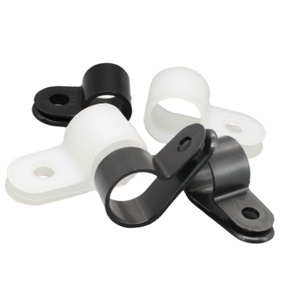
1) Material:
PBT, PA66, or stainless steel.
2) Applications:
Automotive engine bays (high-vibration zones).
Industrial control cabinets.
3) Pros:
Secure mounting (screw-on or snap-in designs).
Vibration-resistant (metal clamps).
Reusable & repositionable.
4) Cons:
Installation complexity (requires mounting holes).
Potential for wire pinching if improperly sized.
5) Best For:
High-vibration environments (e.g., EVs, aerospace).


