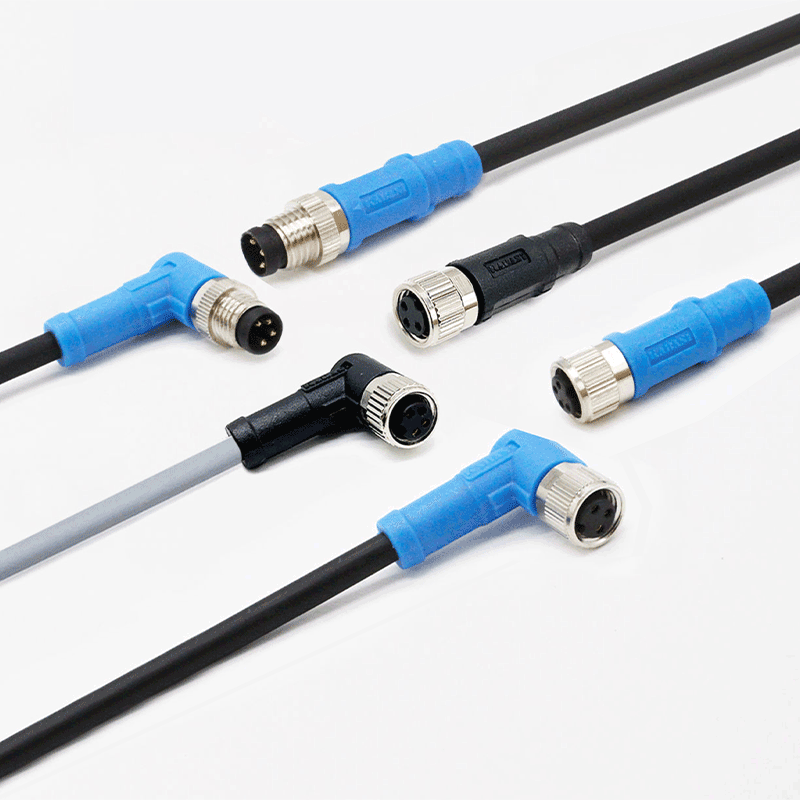
Aluminum wiring harnesses are increasingly popular in automotive and industrial applications due to their lightweight properties, cost-effectiveness, and environmental benefits. Aluminum has several distinct advantages over copper in terms of weight, cost, and resource availability, making it a viable alternative in many wiring applications.
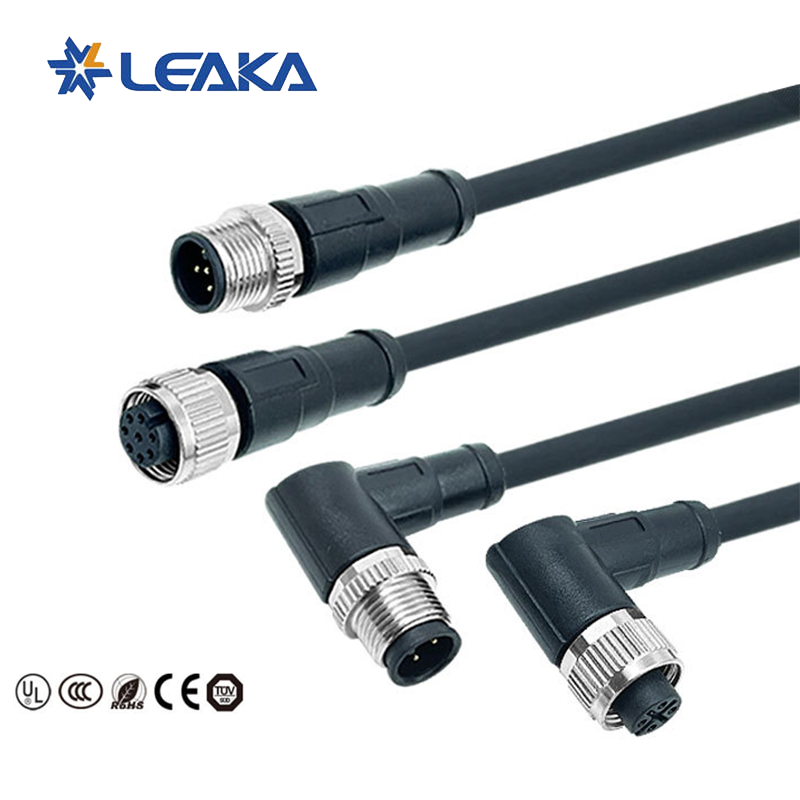
1. Lightweight and High Strength-to-Weight Ratio
- Weight Reduction: Aluminum is approximately one-third the weight of copper, making it ideal for applications where weight reduction is critical, such as in automotive and aerospace industries. Lightweight wiring harnesses contribute to overall weight reduction, leading to improved fuel efficiency and performance, particularly in electric vehicles (EVs) where every kilogram saved extends the driving range.
- Strength and Durability: Modern aluminum alloys provide strength and flexibility suitable for high-stress environments. Although aluminum is generally less durable than copper, it can withstand vibration and mechanical stress when designed and shielded correctly, enhancing the longevity of the harness.
2. Cost-Effectiveness and Resource Availability
- Lower Material Cost: Aluminum is significantly cheaper than copper, making it a more economical choice for large-scale manufacturing of wiring harnesses, especially as copper prices fluctuate. Aluminum wiring harnesses offer a cost-effective alternative without compromising key performance characteristics.
- Abundant and Sustainable: Aluminum is more abundant in the Earth’s crust than copper, making it a more sustainable and resource-efficient option. Choosing aluminum can reduce the demand for copper mining, which has environmental benefits and aligns with the increasing demand for sustainable materials in manufacturing.
3. Electrical Conductivity and Heat Management
- Conductivity: Aluminum’s conductivity is lower than copper, but its lower density allows for a larger conductor cross-sectional area without increasing weight. This compensates for the lower conductivity, making aluminum suitable for power transmission, although it may not be ideal for very high-frequency or sensitive signal applications.
- Thermal Dissipation: Aluminum dissipates heat effectively, which helps in preventing overheating in wiring applications. In EVs and high-performance vehicles where power demand is high, aluminum harnesses can support temperature management, improving the system's overall thermal efficiency.
4. Corrosion Resistance and Coating Requirements
- Corrosion Protection: Aluminum is naturally more prone to corrosion than copper, particularly galvanic corrosion when in contact with other metals. However, modern aluminum harnesses often use coatings (such as tin) or insulation to prevent direct exposure, minimizing corrosion risks and enhancing durability.
- Surface Oxidation: Although aluminum can oxidize, the oxide layer that forms on its surface provides a protective barrier that resists further corrosion. Proper insulation and design are essential to ensure reliable long-term performance.
5. Application and Adaptation Challenges
- Connection Reliability: Aluminum wiring requires specialized connectors and terminal designs due to its relatively lower tensile strength and tendency to expand and contract more than copper. Modern terminal technology has addressed these challenges by using crimping or cold-welded connections to maintain secure contacts.
- Testing and Inspection Needs: Aluminum harnesses often require additional testing and quality assurance to ensure consistent conductivity and connection reliability. Specialized equipment and procedures are often in place to prevent issues associated with aluminum's unique properties.
Conclusion
Aluminum wiring harnesses are a lightweight, cost-effective, and sustainable solution for applications in automotive, aerospace, and industrial settings. Despite certain challenges with conductivity and corrosion, technological advances have made aluminum a practical alternative to copper in many cases, supporting weight reduction, cost savings, and environmental goals without significantly compromising performance.