Modular wiring harnesses play a critical role in supporting zonal architectures, particularly in modern automotive, aerospace, and industrial automation systems. A zonal architecture organizes electrical and electronic functions by physical regions within the system, with each zone containing specific control modules, sensors, and actuators. Modular wiring harnesses support zonal architecture by providing flexible layouts and simplified designs, enabling several advantages:
1. Simplified Wiring and Weight Reduction
- Regional Distribution: Modular harnesses allow each zone to have its own wiring module, eliminating the need for long, centralized wiring extending from the main controller to each component. This design reduces overall wiring length and weight, which is especially beneficial for zonal architecture.
- Fewer Connection Points and Complexity: By breaking complex harnesses into standardized, replaceable modules, zonal architectures can reduce the number of connection points and wiring in each zone, optimizing the overall design while minimizing weight and complexity.
2. Flexibility and Adaptability
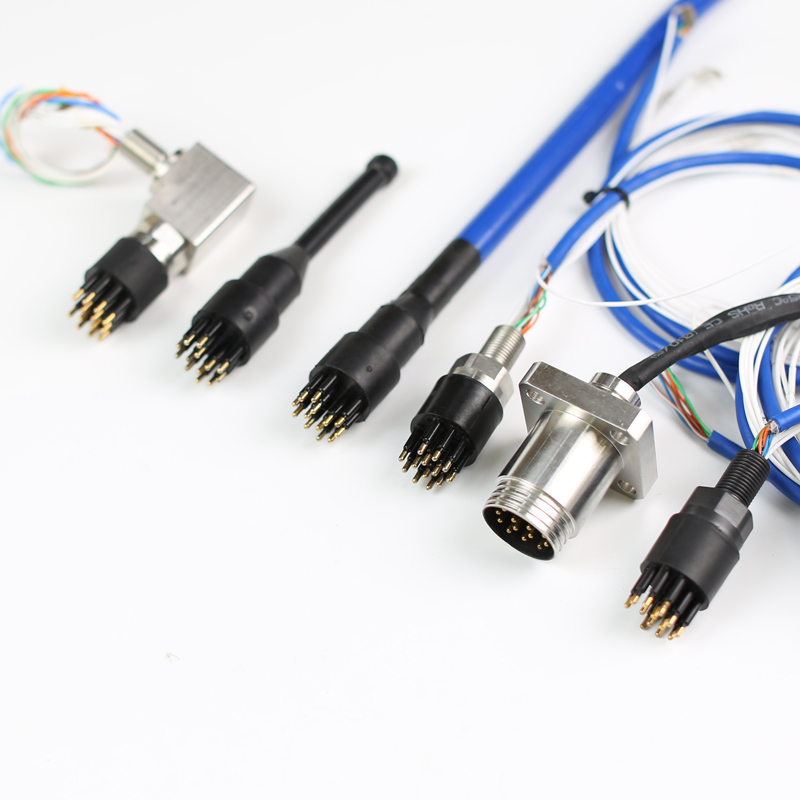
- Modular Installation: Each modular wiring harness can be customized per zone, with different connector types, cable lengths, and functional combinations. This allows for a highly adaptable system that can meet the unique needs of each zone, simplifying both design adjustments and production processes.
- Scalability and Maintenance: The modular structure of the harnesses makes it easier to add new modules or adjust existing ones, providing scalability for the zonal architecture. This flexibility allows for efficient upgrades and maintenance, which is especially valuable in fast-evolving or high-maintenance applications.
3. Support for Distributed Control Systems
- Power and Data Distribution: Modular wiring harnesses facilitate efficient transmission of power and data within each zone, ensuring that both are delivered from the central system to the zone’s controllers and sensors. This supports the needs of distributed control systems in zonal architectures.
- Compatibility with High-Speed Data Transmission: Modern vehicles and devices require high-speed data transfer, and modular harnesses are generally compatible with communication protocols like CAN and Ethernet, allowing for fast, low-latency data transmission through zonal harnesses.
4. Fault Isolation and Enhanced Safety
- Zonal Fault Management: Modular harnesses enable isolation and detection of faults within specific zones, preventing issues in one area from impacting the entire system. This is essential for safety-critical applications (e.g., autonomous driving or industrial controls), allowing the system to quickly isolate and address faults.
- Increased Redundancy: With each zone’s modular harnesses functioning as independent units, redundant designs can ensure that critical functions continue operating even in the event of a single-point failure, which enhances the overall safety and resilience of the system.
5. Reduced Production and Maintenance Costs
- Standardized Components: Modular harnesses utilize standardized connectors and harness designs, which simplify the design process and manufacturing steps, helping reduce production costs. Standardization also enables harnesses to be used interchangeably across zones or models, improving production efficiency.
- Lower Maintenance Complexity: During maintenance, modular harnesses allow technicians to replace only the specific module with an issue, reducing repair time and costs significantly.
Conclusion
Modular wiring harnesses optimize wiring structure, support distributed control systems, provide fault isolation, and enhance system safety, effectively supporting zonal architecture implementations. They deliver a flexible, efficient electrical solution for modern complex systems, especially as the complexity of vehicle electrical systems continues to grow, helping achieve higher efficiency and safety while reducing production and maintenance costs.


