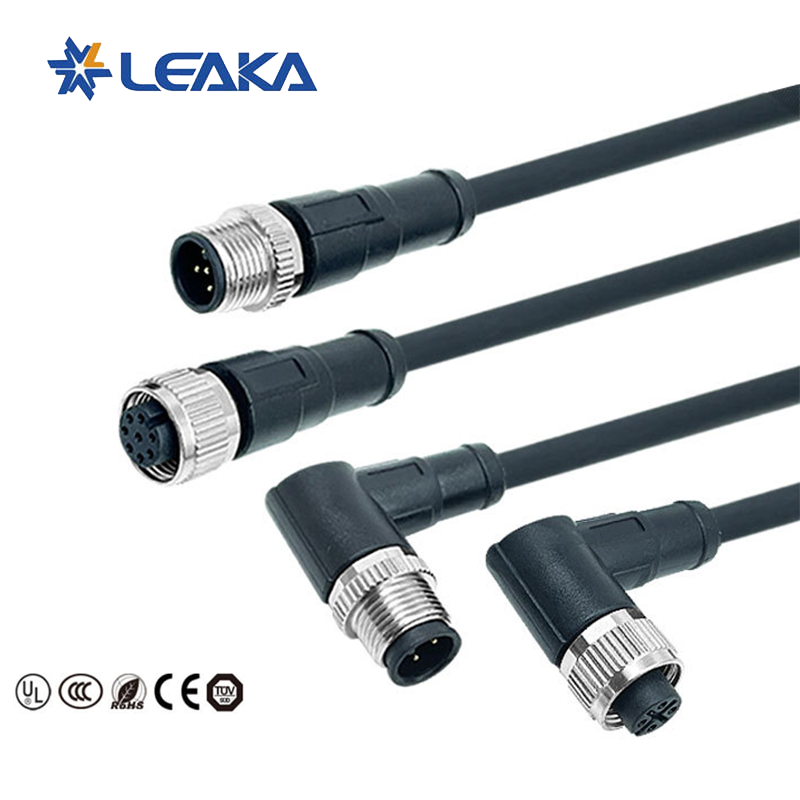
Introduction to the comparison between gold plating and silver plating of connectors
Gold-plated and silver-plated connectors each have unique advantages and limitations, and the choice between them generally depends on application requirements, performance needs, and cost considerations. Here’s a comparison of gold and silver plating for connectors:

1. Conductivity
- Gold Plating: Gold offers excellent conductivity with high surface stability, resisting oxidation and corrosion effectively. Gold-plated connectors maintain a low contact resistance over time, making them ideal for applications requiring consistent signal transmission and frequent mating cycles.
- Silver Plating: Silver is even more conductive than gold, enhancing current-carrying capacity and reducing resistance. However, silver is prone to tarnishing when exposed to sulfur in the air, which can affect surface appearance and performance. Silver-plated connectors work well in high-current applications but may require anti-oxidation measures in environments prone to tarnish.
2. Oxidation and Corrosion Resistance
- Gold Plating: Gold is highly resistant to oxidation and maintains stability in harsh environments, making it suitable for connectors exposed to air, moisture, or corrosive gases. Gold plating can provide long-lasting performance and reliability.
- Silver Plating: Silver’s oxidation resistance is lower than gold, as it can develop silver sulfide when exposed to humid or sulfuric environments, affecting contact performance. Although silver sulfide does not significantly increase resistance and has minimal impact on low-frequency applications, silver plating may not be ideal for prolonged exposure in challenging environments.
3. Wear Resistance
- Gold Plating: Gold is relatively soft, and its wear resistance isn’t as high as some harder metals. However, thicker layers of gold plating are often used to improve durability in connectors subject to frequent insertion cycles.
- Silver Plating: Silver is also relatively soft, so its wear resistance is slightly lower. Thin silver layers may wear quickly, exposing the underlying base material and potentially causing oxidation or contact issues.
4. Signal Transmission and Frequency Characteristics
- Gold Plating: Gold has excellent high-frequency characteristics, making it ideal for applications requiring high-frequency or high-speed signal transmission, such as RF and microwave systems, as well as high-speed data communication.
- Silver Plating: Silver’s high conductivity makes it ideal for power applications, especially in low-frequency or DC environments where current-carrying capacity is key. However, its susceptibility to oxidation can lead to interference and signal loss in high-frequency applications.
5. Cost
- Gold Plating: Gold is more expensive, making gold-plated connectors higher in cost, especially with thicker gold layers. Often, only the critical contact areas are plated with gold to reduce cost without sacrificing performance.
- Silver Plating: Silver is less expensive than gold, offering a more economical solution. Silver plating is a cost-effective option for applications where high corrosion resistance and wear are not as critical.
6. Typical Applications
- Gold-Plated Connectors: Common in applications requiring high reliability, corrosion resistance, and signal integrity, such as consumer electronics, telecommunications, aerospace, and medical devices.
- Silver-Plated Connectors: Suited for high-current transmission scenarios such as power distribution, industrial automation, and automotive applications. Silver’s lower cost also makes it practical for short-lifespan or enclosed environments.
Conclusion
Gold-plated connectors are ideal for high-frequency, long-lifespan, and corrosion-resistant applications, while silver-plated connectors are better suited for high-current applications that require excellent conductivity. Choosing between gold and silver plating should involve balancing cost, performance, and environmental considerations to achieve the best connectivity solution.