Introduction
In an automotive wiring harness, several types of connectors are commonly used to ensure the proper functioning of various electrical systems within the vehicle. Some of the most common types include blade connectors, pin and socket connectors, and weatherpack connectors.
Blade Connectors
Blade connectors are often used for low-current applications such as lighting and small electrical accessories. They are easy to install and provide a reliable connection. Blade connectors consist of a flat metal blade that inserts into a corresponding socket. The design allows for quick and easy connection and disconnection, making them ideal for applications where frequent maintenance or replacement may be required. For example, in automotive lighting systems, blade connectors are used to connect the bulbs to the wiring harness. They are also commonly found in dashboard controls and other low-power electrical components.
Pin and Socket Connectors
Pin and socket connectors are widely used in automotive wiring harnesses for a variety of applications. They provide a more secure connection than blade connectors and are suitable for higher current applications. Pin and socket connectors consist of a male pin that inserts into a female socket. The pins and sockets are often gold-plated to ensure good electrical conductivity and resistance to corrosion. These connectors are commonly used in engine control units, sensors, and other critical electrical systems within the vehicle. They are also used in the connection of audio and entertainment systems, as well as in the wiring harness for power windows and door locks.
Weatherpack Connectors
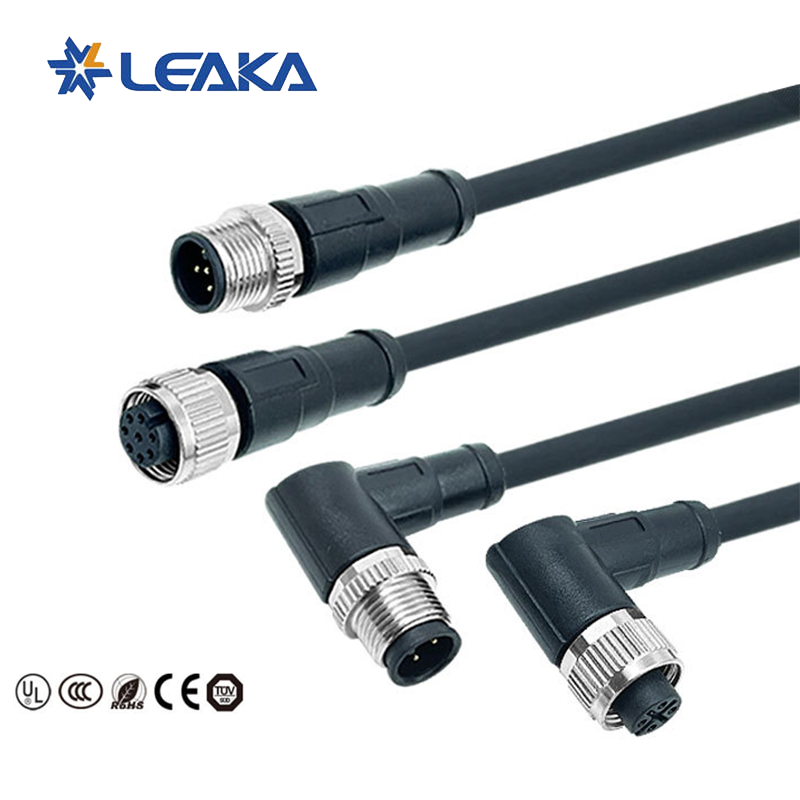
Weatherpack connectors are designed to provide a waterproof and dustproof connection, making them ideal for use in harsh automotive environments. They consist of a rubber grommet and a plastic housing that encloses the pins and sockets. The rubber grommet provides a seal to prevent moisture and dust from entering the connection. Weatherpack connectors are commonly used in outdoor applications such as trailer lighting connections and in areas of the vehicle that are exposed to the elements. They are also used in engine compartments and other areas where moisture and dirt may be present.
Choice of Connectors
The choice of connectors in an automotive wiring harness depends on several factors. Firstly, the current and voltage requirements of the application determine the type of connector that can be used. Higher current applications require connectors that can handle the increased electrical load without overheating or failing. Secondly, the environmental conditions in which the connector will be used play a role. Connectors that are exposed to moisture, dirt, and vibration need to be designed to withstand these conditions and maintain a reliable connection. Finally, ease of installation and maintenance is also a consideration. Connectors that are easy to install and disconnect can save time and labor during vehicle assembly and repair.
Conclusion
In conclusion, the choice of connectors in an automotive wiring harness is crucial for the proper functioning of the vehicle's electrical systems. Blade connectors, pin and socket connectors, and weatherpack connectors are among the most commonly used types, each with its own advantages and applications depending on the specific requirements of the vehicle.


