Introduction
In electrical equipment and harsh industrial environments, both connectors and threaded connectors play crucial roles in ensuring reliable electrical connections. However, their installation torque standards can differ significantly due to several factors.
Connectors in Electrical Equipment
For connectors in electrical equipment, the installation torque is typically designed to ensure a proper electrical contact without causing damage to the connector or the equipment it is being connected to. The torque requirements are often based on the size and design of the connector, as well as the materials used. For example, small connectors used in electronic devices may require only a small amount of torque to ensure a good connection, while larger connectors used in industrial electrical equipment may require more torque.
Harsh Industrial Environments
In harsh industrial environments, additional factors come into play. Environmental conditions such as vibration, temperature extremes, and exposure to chemicals can affect the installation torque requirements. Connectors in these environments need to be able to withstand these harsh conditions and maintain a reliable connection. For example, connectors used in industrial machinery may need to be tightened to a higher torque to ensure they can withstand the vibrations and shocks that occur during operation.
Threaded Connectors
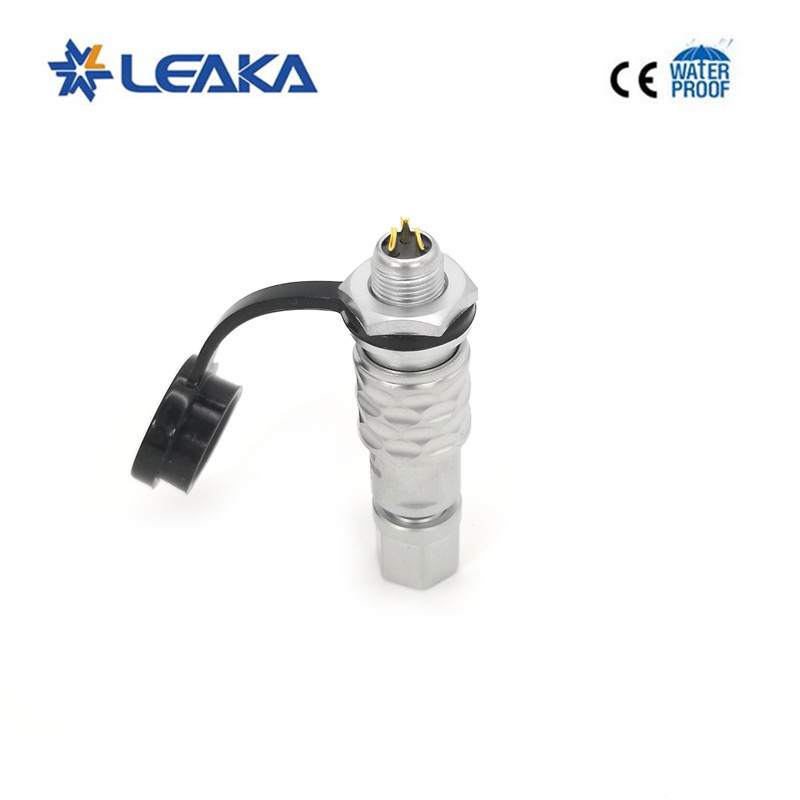
Threaded connectors, on the other hand, have their own unique installation torque requirements. The torque is typically used to create a mechanical lock between the threads, ensuring a secure connection. In harsh industrial environments, threaded connectors may need to be tightened to a higher torque to prevent loosening due to vibration or thermal expansion. The material of the threads, the size of the connector, and the application requirements all play a role in determining the appropriate installation torque.
Precision Requirements
One key difference between the installation torque standards for connectors in electrical equipment and threaded connectors in harsh industrial environments is the level of precision required. In electrical equipment, the torque needs to be accurate to ensure a proper electrical connection without over-tightening or under-tightening. This often requires the use of specialized tools and calibration procedures. In harsh industrial environments, while precision is still important, the focus may be more on ensuring a secure mechanical connection that can withstand the harsh conditions.
Environmental Considerations
Another difference is the consideration of environmental factors. In harsh industrial environments, factors such as temperature extremes, chemical exposure, and vibration need to be taken into account when determining the installation torque. For connectors in electrical equipment, these factors may not be as significant, or different measures may be taken to protect the connection from environmental damage.
Conclusion
In conclusion, the installation torque standards for connectors in electrical equipment and threaded connectors in harsh industrial environments differ due to factors such as the type of connection, environmental conditions, and the level of precision required. Understanding these differences is crucial for ensuring reliable electrical connections in different applications.


