How to correctly select and use wires?
1) Choose the right wire material
Choose the right wire material according to actual needs and budget. Copper wire has better conductivity, tensile strength, load capacity and corrosion resistance than aluminum wire, but the price is relatively high. If the budget is limited, you can consider using aluminum wire, but you need to pay attention to its use environment and safety hazards.
2) Choose the right wire specifications
The cross-sectional area of the wire should be selected according to the power, voltage and other parameters of the appliance. For example, 1.5 square millimeters of copper wire or 2.5 square millimeters of aluminum wire can be used for household lighting circuits; 4 square millimeters of copper wire or 6 square millimeters of aluminum wire can be used for air conditioning circuits.
3) Follow the correct wiring method
To ensure the safety of wires, follow the correct wiring method. For example, avoid direct mixing of copper wire and aluminum wire. If mixed connection is necessary, use a dedicated transition joint or insulated crimping terminal to reduce safety risks.
4) Check wire safety regularly
Check the wires regularly to ensure that they are tightly connected, not damaged, and not corroded. If problems are found, they should be replaced or repaired in time.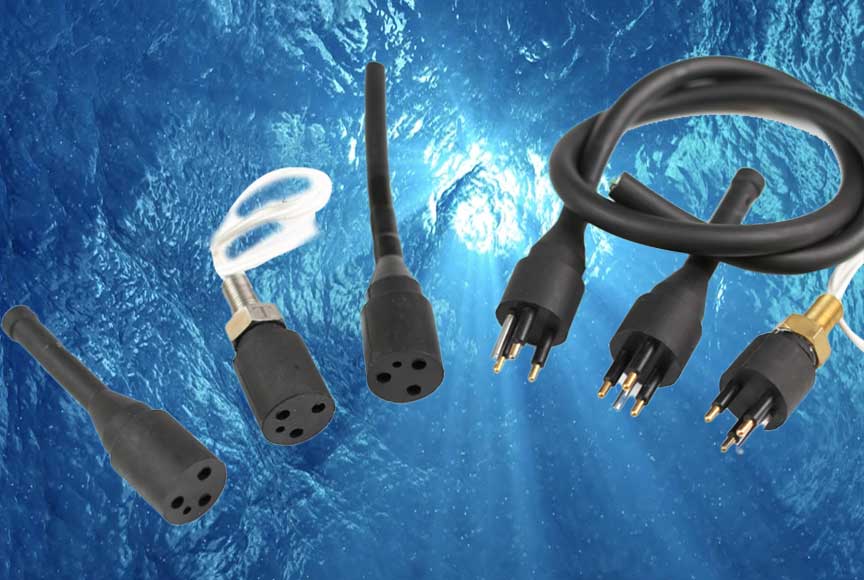
Tips and precautions for laying wires
1) Avoid excessive bending
When laying wires, avoid excessive bending to avoid damaging the insulation layer of the wires. The bending radius should be no less than 6 times the outer diameter of the wire.
2) Keep distance
The wires should be kept at a certain distance from gas pipelines, heat sources, etc. to prevent heat damage to the wires. The recommended distance is 30 cm.
3) Prevent puncture
During the construction process, avoid sharp objects scratching or puncturing the insulation layer of the wires. Damaged wires should be replaced in time.
4) Comply with national standards
When purchasing and laying wires, relevant national standards should be followed. Ensure the use of qualified wire products to reduce safety hazards.
5) Add protective measures
In vulnerable areas, such as the ground and corners, metal pipes, PVC pipes and other protective measures can be used to protect the wires from damage.
Common ways to avoid wire failures
1) Clean the socket regularly
Too much dust on the socket may cause poor contact and affect the normal operation of the wire. It is recommended to clean it every 3 months.
2) Handle with care when plugging and unplugging
Avoid using excessive force to plug and unplug the power supply to avoid damaging the plug and socket.
3) Avoid overloading
Ensure that the electrical appliance is used within the rated current range to avoid overheating and melting of the wires.
4) Avoid private wiring
Private wiring can easily lead to poor contact, short circuit and other problems. Electrical installation specifications should be followed and wiring should be standardized.


