Products Descriptioncable lug refers to a device that is crimped or soldered onto the end of a cable to establish a robust mechanical and electrical connection. Electrical lugs are essential in numerous industries, including automotive, telecommunications, and power distribution, owing to their reliability and straightforward installation process. Battery terminal lugs provide a dependable solution for connecting and securing cables, making them a fundamental part of electrical systems.
| Type |
Crimp Terminal |
| Color |
Golden |
| Material |
Copper |
| Surface Treatment |
Matte tin plating |
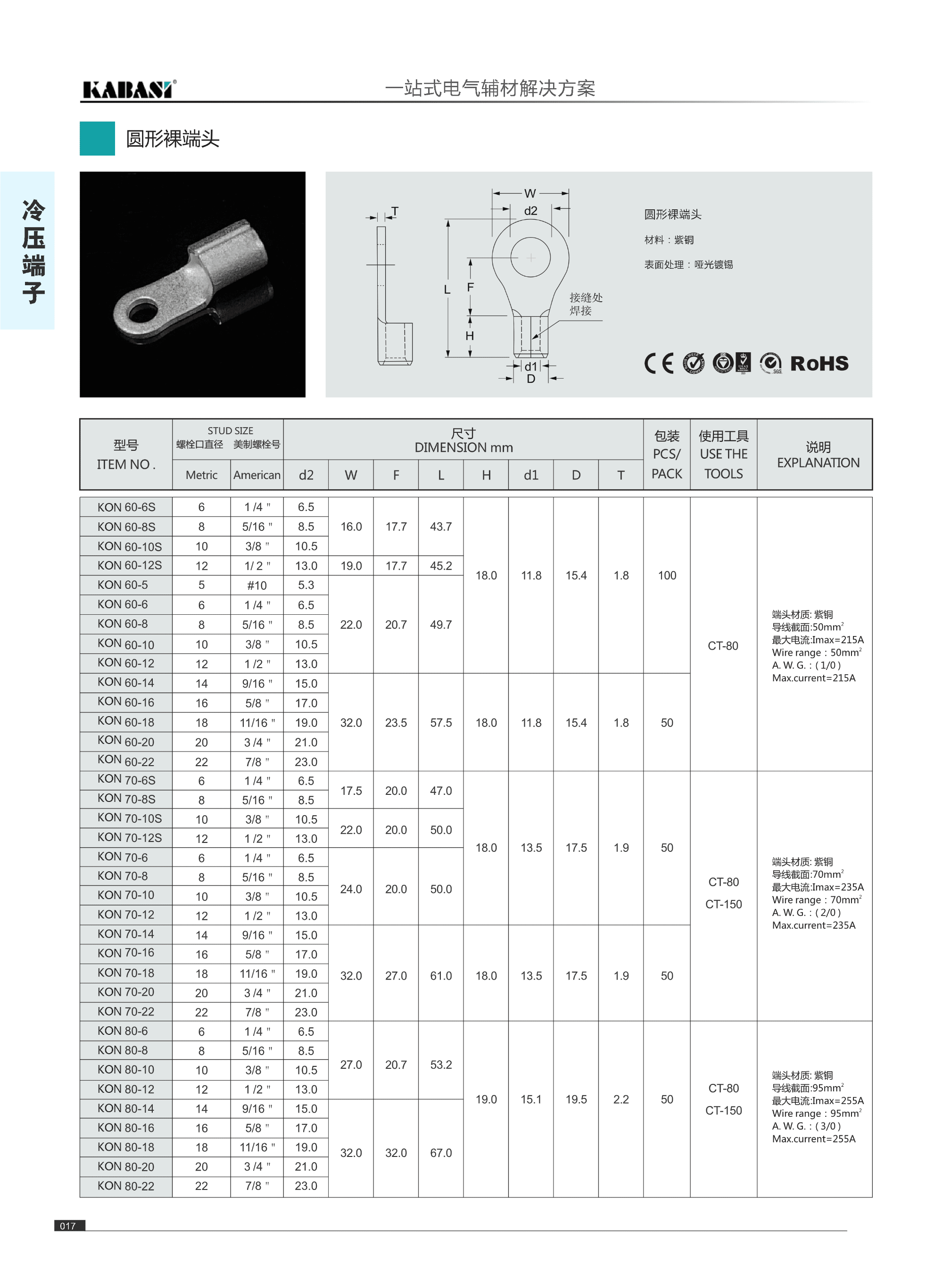
| Wire Range |
120mm² |
| Max. current |
300A |
| AWG |
4/0 |
| MOQ |
100 PCS |
| Application |
Wire Connecting |
 Installation and Maintenance
1. Proper Installation Techniques
Proper installation of cable lugs is crucial for establishing a reliable and safe electrical connection. The process begins with correctly stripping the conductor to expose the appropriate length of wire, ensuring no damage to the strands. Next, selecting the right crimping tool is essential, as it must match the size and type of the lug being used. It's important to follow the manufacturer's guidelines for crimping force and technique to ensure a secure connection. Improper installation can result in loose connections, which may lead to overheating, electrical faults, or equipment failure. Therefore, careful attention to detail during installation is key to preventing potential hazards.
2. Routine Maintenance and Inspection
Regular maintenance and inspection of cable lugs are vital for maintaining long-term reliability and safety. This routine should include checking for any signs of wear, such as cracks, corrosion, or discoloration, which could indicate potential issues. Additionally, it’s important to ensure that all connections remain tight, as vibrations and thermal cycling can cause loosening over time. Early identification of problems during these inspections can prevent costly downtime and equipment damage. Regular maintenance not only prolongs the life of the cable lugs but also enhances the overall safety and efficiency of the electrical system.
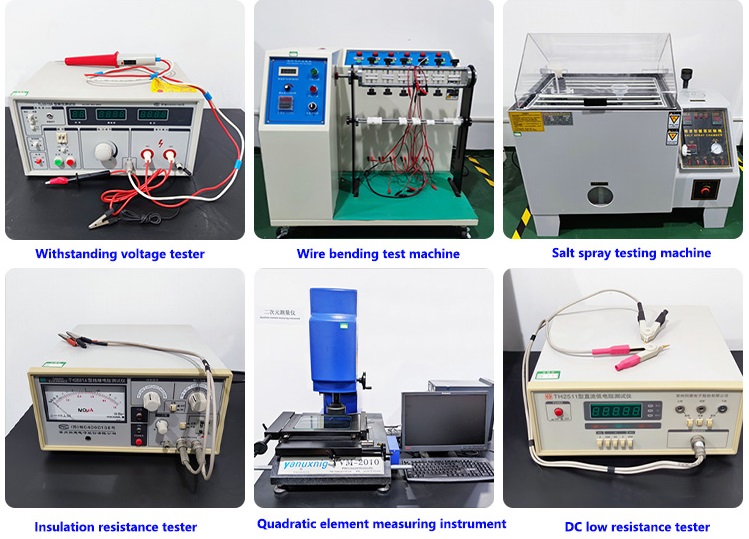
FAQ Testing Equipment