Products Description
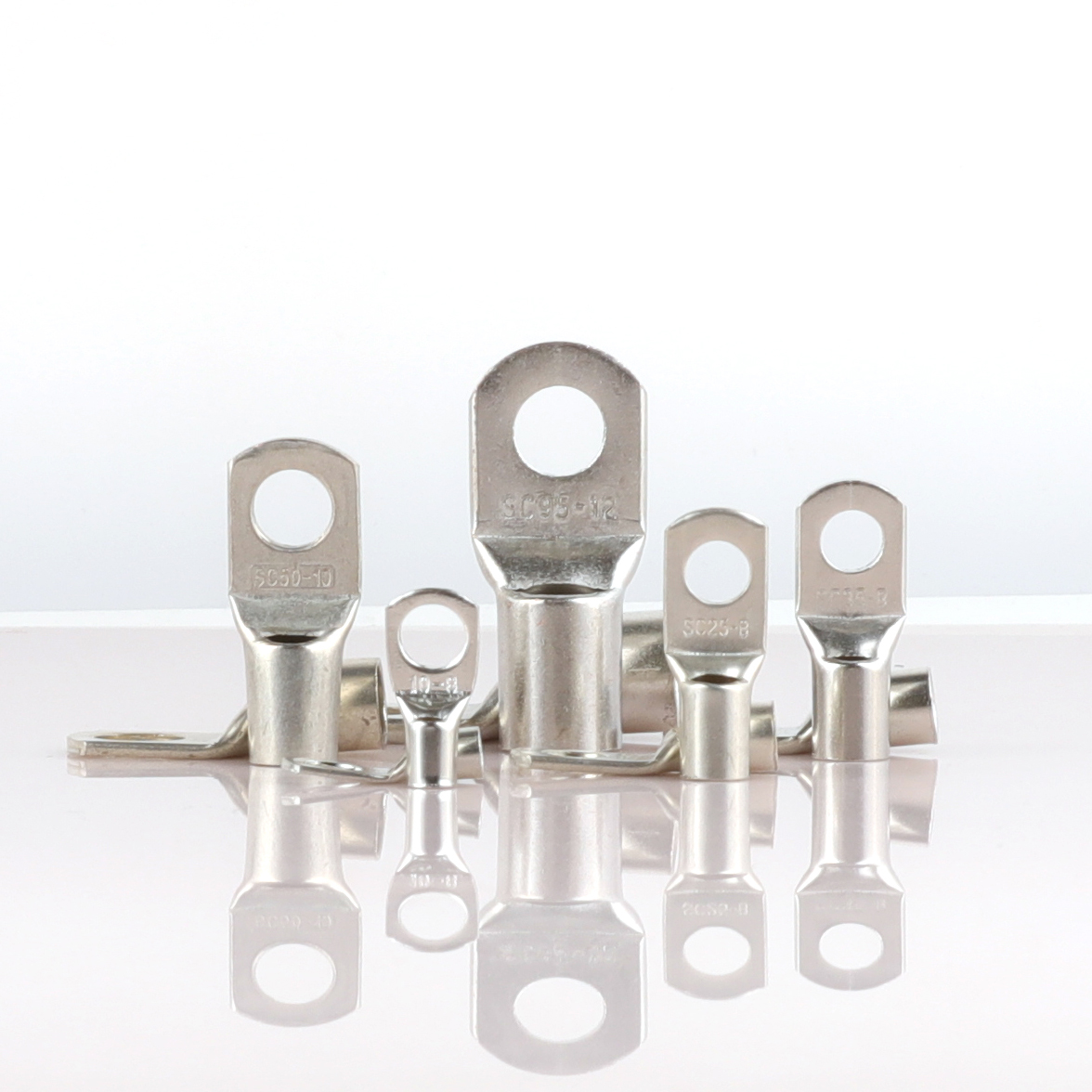
Cable lugs are indispensable components in electrical installations, acting as connectors that join cables to electrical devices and equipment. They play a vital role in ensuring a secure, reliable, and safe connection, which is crucial for the efficient transmission and distribution of electricity. This guide provides comprehensive information about cable lugs, including their definition, various types, sizes, and specifications. Additionally, it covers essential considerations for selecting the appropriate cable lug for specific applications, ensuring optimal performance and safety.
 Products Data
| Type |
Crimp Terminal |
| Color |
Silver |
| Material |
Copper |
| Surface Treatment |
Matte tin plating |
| Wire Range |
70mm² |
| Max. current |
235A |
| AWG |
2/0 |
| MOQ |
100 PCS |
| Application |
Wire Connecting |
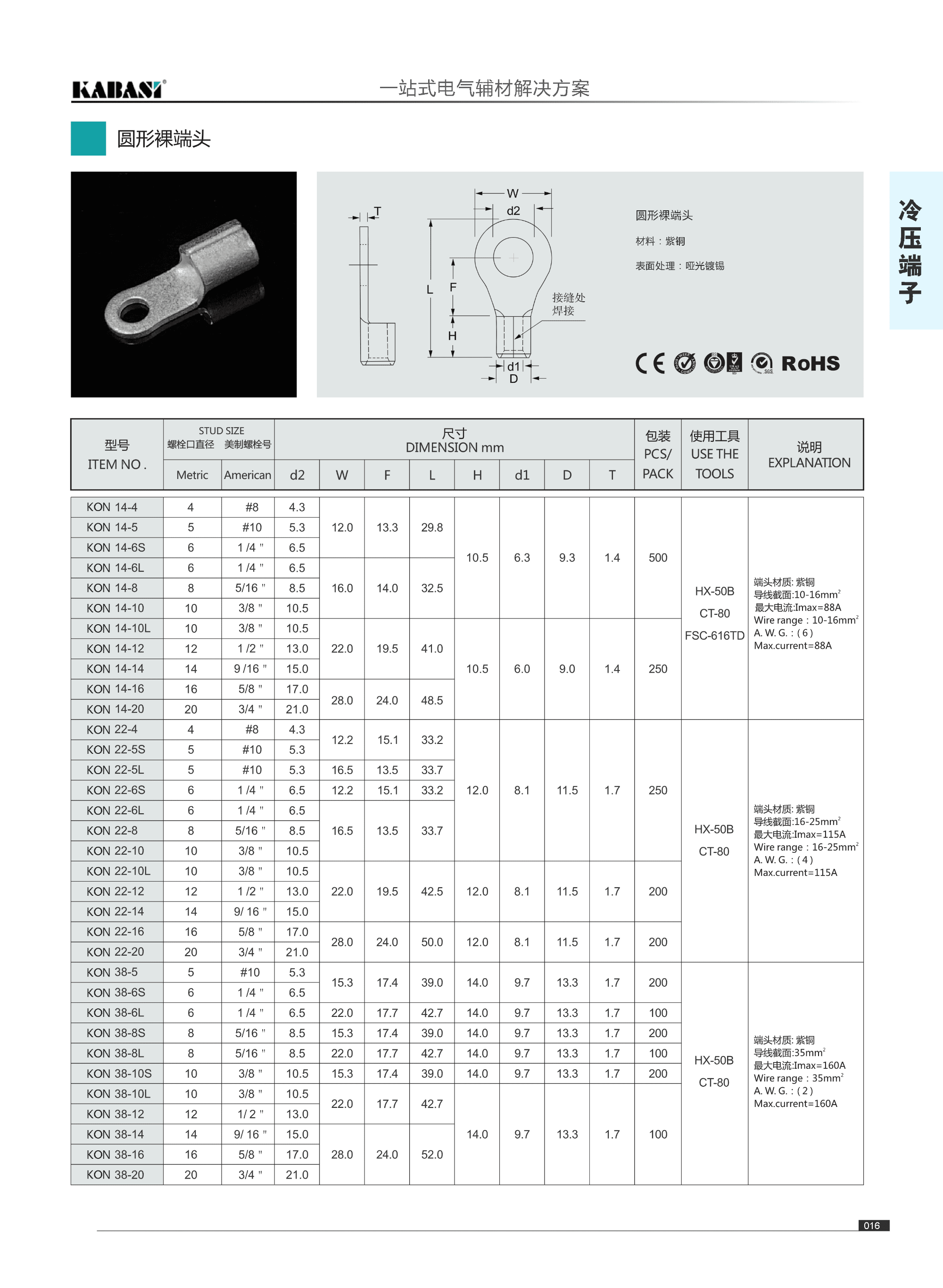
Specifications of Cable Lugs
1. Material Composition
Cable lugs are typically made from materials like copper, aluminum, or brass. The choice of material depends on the application, with copper being the most common due to its excellent electrical conductivity and corrosion resistance. Aluminum lugs are lighter and often used in situations where weight is a concern.
2. Temperature Rating
The temperature rating of a cable lug indicates the maximum temperature it can withstand without degrading. This rating is crucial for applications involving high temperatures, ensuring the lug maintains its integrity and performance under thermal stress.
3. Voltage Rating
The voltage rating of a cable lug specifies the maximum voltage it can safely handle. This rating is critical for ensuring the safety and reliability of the electrical connection, preventing breakdowns or electrical faults.
4. Current Carrying Capacity
The current carrying capacity of a cable lug refers to the maximum current it can conduct without overheating or failing. This specification is essential for selecting the appropriate lug for high-current applications, ensuring safe and efficient electrical performance.
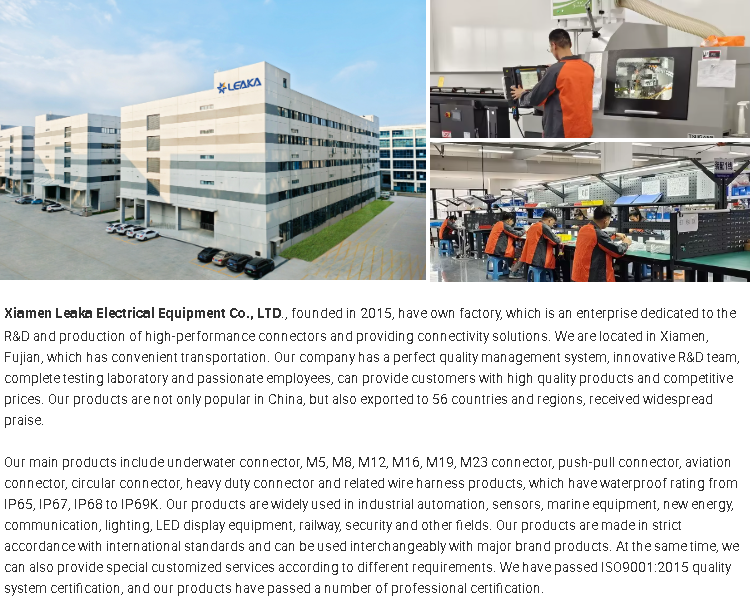
Company Profile