The failure of industrial connectors is the result of the combined effect of multiple factors, and its performance needs to be comprehensively guaranteed from multiple aspects such as material selection, design optimization, process improvement, and environmental management.
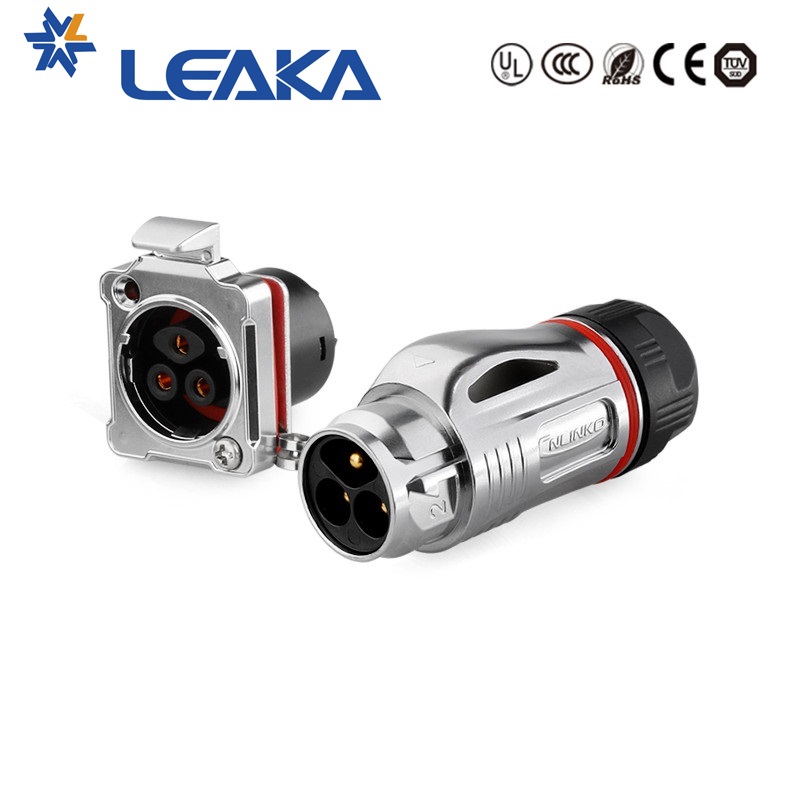
The failure of industrial connectors is the result of the combined effect of multiple factors, and its performance needs to be comprehensively guaranteed from multiple aspects such as material selection, design optimization, process improvement, and environmental management. For example, the Cnlinko BD series meets the 72H salt spray test by strengthening anti-corrosion materials and sealing design, and the Cnlinko YM series relies on IP68 waterproof rating to ensure the reliability of the core components of the equipment.
1. Physical wear and corrosion
Repeated plugging and unplugging of connectors will cause the metal surface of the contacts to wear, exposing the base metal, making it susceptible to corrosion by corrosive substances such as moisture, dust, and dirt, ultimately leading to poor contact or short circuit.
Corrosive media such as sulfur dioxide, sulfide, acid and alkali liquids commonly found in industrial environments will directly damage the metal surface of the connector, causing electrochemical corrosion or appearance corrosion, and in severe cases, causing damage to the internal structure.
 2. Insufficient environmental adaptability
- Waterproof performance defects
If the connector does not reach the waterproof level such as IP68, environmental factors such as moisture and humidity can easily penetrate into the interior, causing short circuits or contact corrosion, especially in humid or underwater scenes.
1) High temperature effects: When the rated temperature is exceeded, the insulation performance of the connector decreases, the conductivity peak may cause corrosion, and long-term high temperature will also accelerate metal oxidation and weaken the contact force.
2) Low temperature effects: Continuous low temperature will soften the tin-plated material, increase the contact resistance, and make the plastic shell brittle and reduce the mechanical strength3.
3. Selection and process issues
When the connector size and specifications do not match the equipment, it will lead to difficulty in plugging and unplugging, insufficient contact pressure, and increased wear and corrosion risks.
Process problems such as improper surface treatment (such as insufficient tin plating thickness) and unreasonable internal structure design will directly affect the corrosion resistance and mechanical reliability.
4. Improper maintenance and management
- Lack of regular inspection
Failure to regularly check the wear and corrosion of the connector may cause small problems to evolve into serious failures.
- Lack of environmental control
If pollutants such as dust and chemical gases in the industrial environment are not effectively controlled, they will accelerate the degradation of the connector.
 2. Insufficient environmental adaptability

